
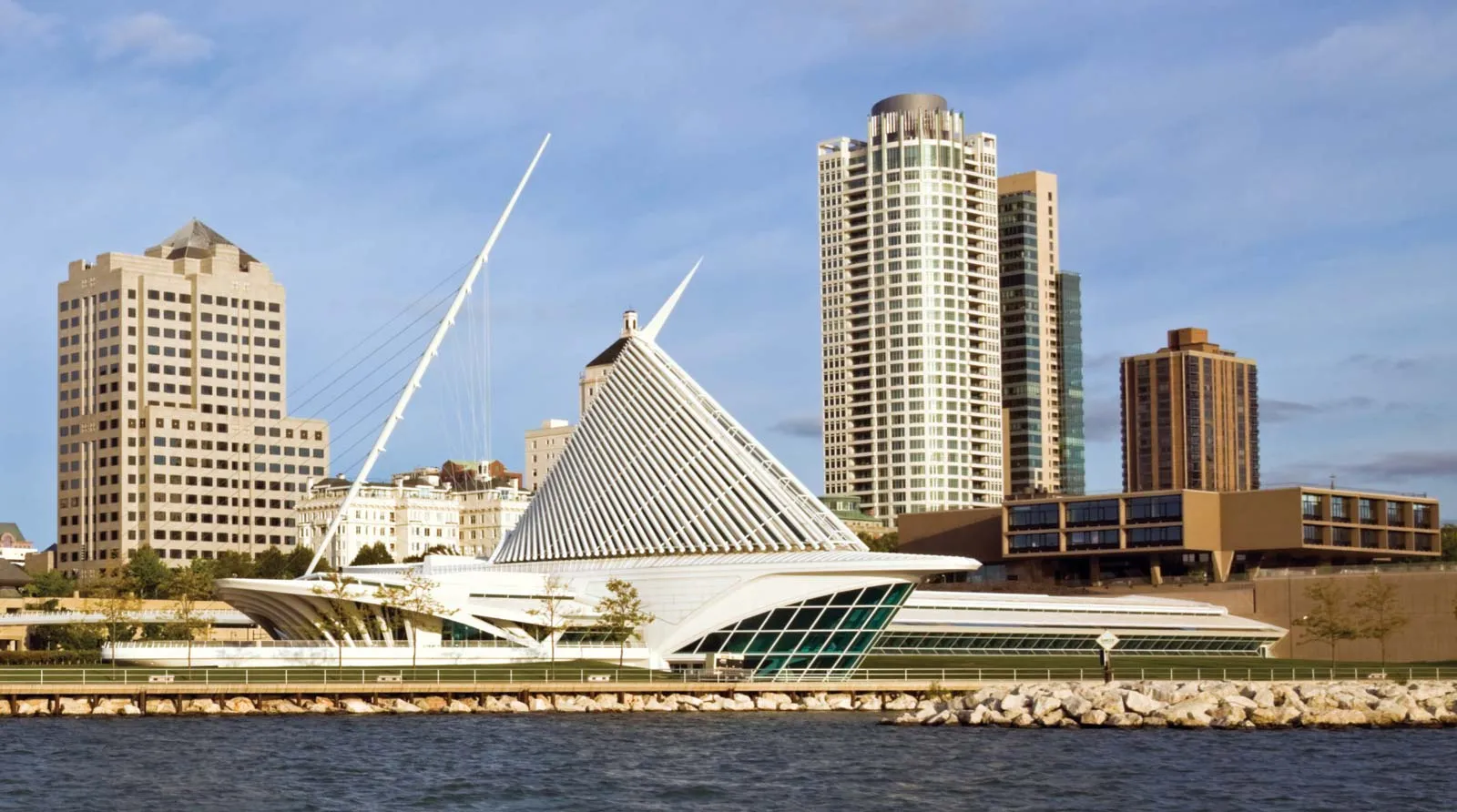
Pharmaceutical & Lab Roofing in Milwaukee, WI
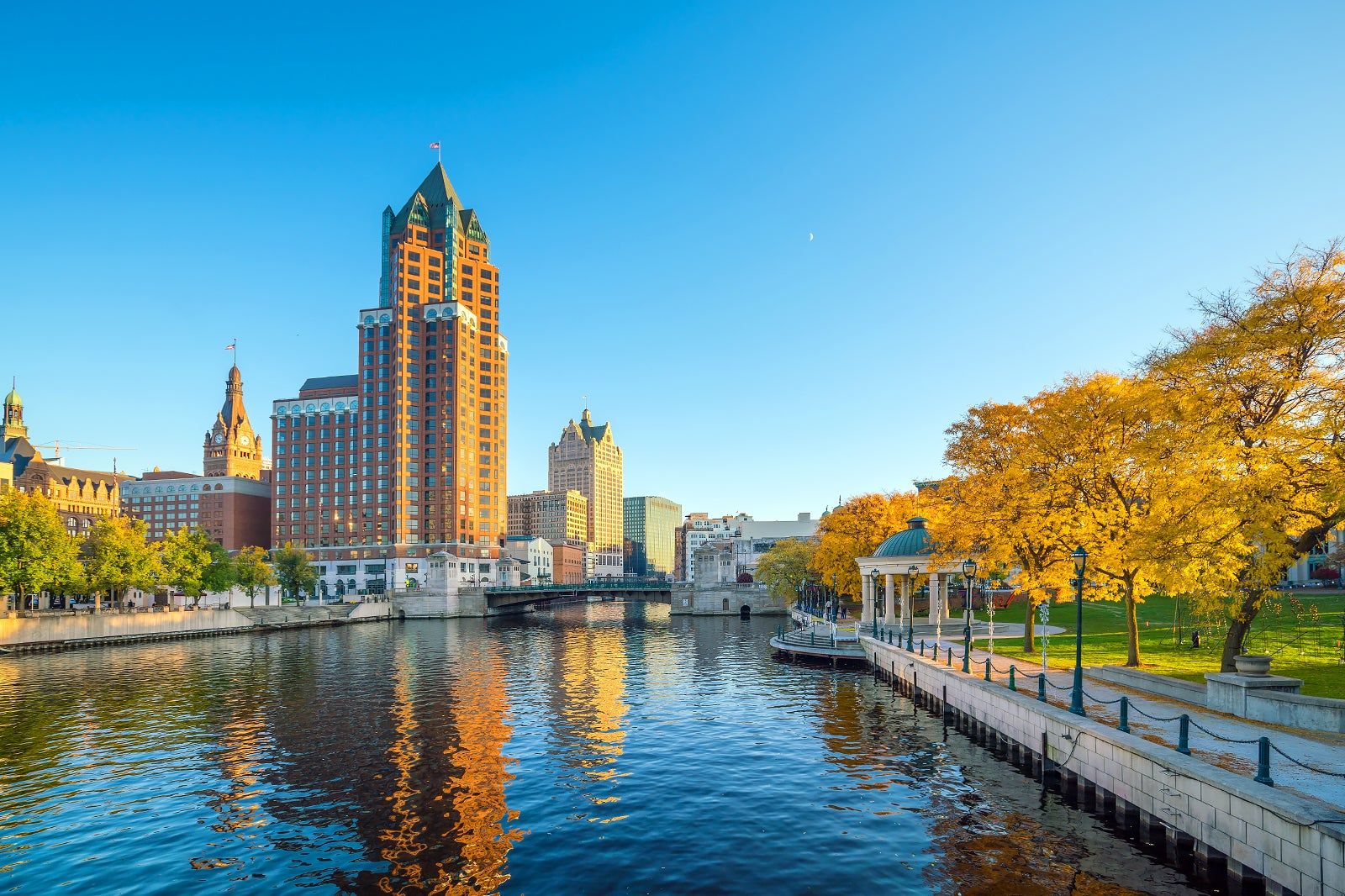
Roofing for Milwaukee pharmaceutical plants, biotech, and research labs — cleanroom HVAC curb detailing, corrosive-exhaust membranes, and zero-leak protection over sensitive equipment.
Roofing for pharmaceutical, biotech, and research laboratory buildings across the Milwaukee area — where a leak is never just a leak.
On a lab roof, the consequence of a drip is the whole job
A leak over a warehouse is an inconvenience. A leak over a cleanroom, a stability chamber, or a freezer holding research samples can mean a batch quarantine, a ruined study, or a regulatory event that costs more than the entire roof. That difference drives how we approach pharmaceutical and laboratory roofing in Milwaukee. The region has a real and growing life-science footprint — the Milwaukee County Research Park in Wauwatosa, the research buildings clustered around the Medical College of Wisconsin and Froedtert on the Watertown Plank Road campus, and the biotech and contract-lab tenants scattered through the suburban office-and-flex corridors. These are buildings where we plan to eliminate the risk of water intrusion, not to respond to it after the fact.
Getting on the roof is its own project
Pharmaceutical and research facilities do not let a crew badge in and climb a ladder. Depending on the operation, you may be dealing with controlled-substance security, facility access protocols, escort requirements, and credentialing that takes weeks to clear. A contractor who shows up on day one without that handled burns a mobilization and can trip a compliance issue for the building. We start the access and credentialing conversation during preconstruction so the whole crew is cleared before the start date, and we put the escort and restricted-area rules in writing as part of the plan.
Cleanroom HVAC curbs are the heart of the detail work
The rooftop of a lab building is crowded. You have dedicated air handlers maintaining ISO-classified cleanroom pressure, fume and chemical exhaust stacks, biosafety exhaust with HEPA filtration, and a web of conduit feeding the building automation system. Every one of those is a penetration we have to flash individually and document. The cleanroom HVAC curbs matter most: the spaces below them run on tightly held pressure differentials, and any flashing work that disturbs a supply or exhaust connection has to be coordinated with the facility's mechanical team and, in some cases, followed by a re-verification of the air balance before that area goes back into service.
Corrosive exhaust eats ordinary membrane
Lab exhaust is not clean air. Solvent vapor, acid fumes, and process chemistry condense on the stacks and drip onto whatever membrane sits downwind, creating localized chemical attack that no standard warranty covers. Before we pick a membrane for the zone around an exhaust stack, we sit down with your mechanical team and identify what is actually coming out of it. In those zones we specify a chemically resistant single-ply — typically a 60-mil PVC with the plasticizer density to handle the exposure — rather than a generic TPO that will degrade in a ring around every stack.
Documentation that survives an audit
Regulated facilities run on paper, and so do we when we work on them. Pharmaceutical and lab owners typically want contractor qualification records, a site-specific safety plan, reviewed material submittals, daily work reports, manufacturer installation documentation, FM Global or UL system certification where required, and warranty registration — all of it formatted to feed into the facility's own quality system. We assemble that package as we go, not as a scramble at closeout, so it holds up when an inspector or a corporate auditor asks for it.
Why standard commercial risk tolerance does not apply
The reason we plan these jobs so tightly is simple math. The buildings around the Watertown Plank Road and Research Park corridors hold equipment and product that dwarf the value of the roof many times over. We treat the work that way — coordinated mobilization, daily watertight dry-in, and a closeout package built to satisfy both your operations team and your auditors.
Leak detection and redundancy where it counts
Over the most sensitive spaces, we do not rely on the membrane alone and hope. Where the consequence of an undetected leak is high, we look at redundant protection — a backup waterproofing layer, careful flashing redundancy at critical penetrations, and electronic leak-detection or vector-mapping testing that can pinpoint a breach in the membrane after installation and during the warranty life. On a building where a small leak over a stability chamber or a stocked freezer can ruin months of work, the ability to find and fix a defect before water ever reaches the equipment is worth far more than the testing costs. We talk through which zones justify that extra protection during design, so the budget goes where the risk actually is rather than spreading thin across the whole roof.
Cold storage and stability chambers raise the stakes
Many of these buildings hold refrigerated and frozen product — vaccine and reagent storage, stability chambers, and validated cold rooms — and the roof over those spaces has to maintain the thermal envelope so the building does not fight its own conditioning. Condensation forming inside a roof assembly over a cold room corrodes the deck and soaks the insulation without ever showing as a ceiling leak, and on a validated space that hidden moisture is both a structural problem and a compliance one. We design tapered insulation and vapor control over refrigerated and temperature-controlled areas around the actual operating conditions, and we keep drainage moving so meltwater and rain never pond over the rooms that can least afford a surprise. Milwaukee's swing from humid summers to hard winters makes that vapor management essential rather than optional.
Common questions from facility teams
How do you handle access and security clearance?
We start credentialing during preconstruction, usually two to three weeks out, including background-check coordination and any controlled-area clearance, so the full crew is approved before mobilization. Escort and access rules are written into the coordination plan.
What membrane do you use near corrosive exhaust?
A chemically resistant 60-mil PVC in the zones around solvent or acid exhaust stacks, selected after we confirm the exhaust chemistry against the manufacturer's chemical-resistance data. Standard TPO is not appropriate next to those stacks.
How do you protect cleanroom pressure during the work?
We coordinate penetration work near cleanroom supply and exhaust connections with your mechanical team, schedule it into planned HVAC windows where possible, confirm pressure recovery afterward, and keep dust and debris out of the air paths above the cleanroom envelope.
Do you work on biotech and university research buildings?
Yes. They carry the same access and coordination demands, often with multiple lab suites on separate HVAC and biosafety exhaust. We coordinate with Environmental Health and Safety offices and biosafety committees on those projects.
What do you hand over at closeout?
Qualification documents, safety plan, reviewed submittals, daily reports, manufacturer installation records, system certifications where required, and warranty registration — delivered in the format your quality system needs.
- Brewery Distillery Roofing
- Manufacturing Plant Roofing
- Hotel Hospitality Roofing
- Grocery Store Roofing
- Mixed Use Development Roofing
- Warehouse Roofing
- Commercial Reroofing
- Roof Tear Off Replacement
Share the roof address, current issue, photos if available, and any access limits. The response can be framed around inspection, repair, maintenance, coating review, or replacement planning.
Related roof pages
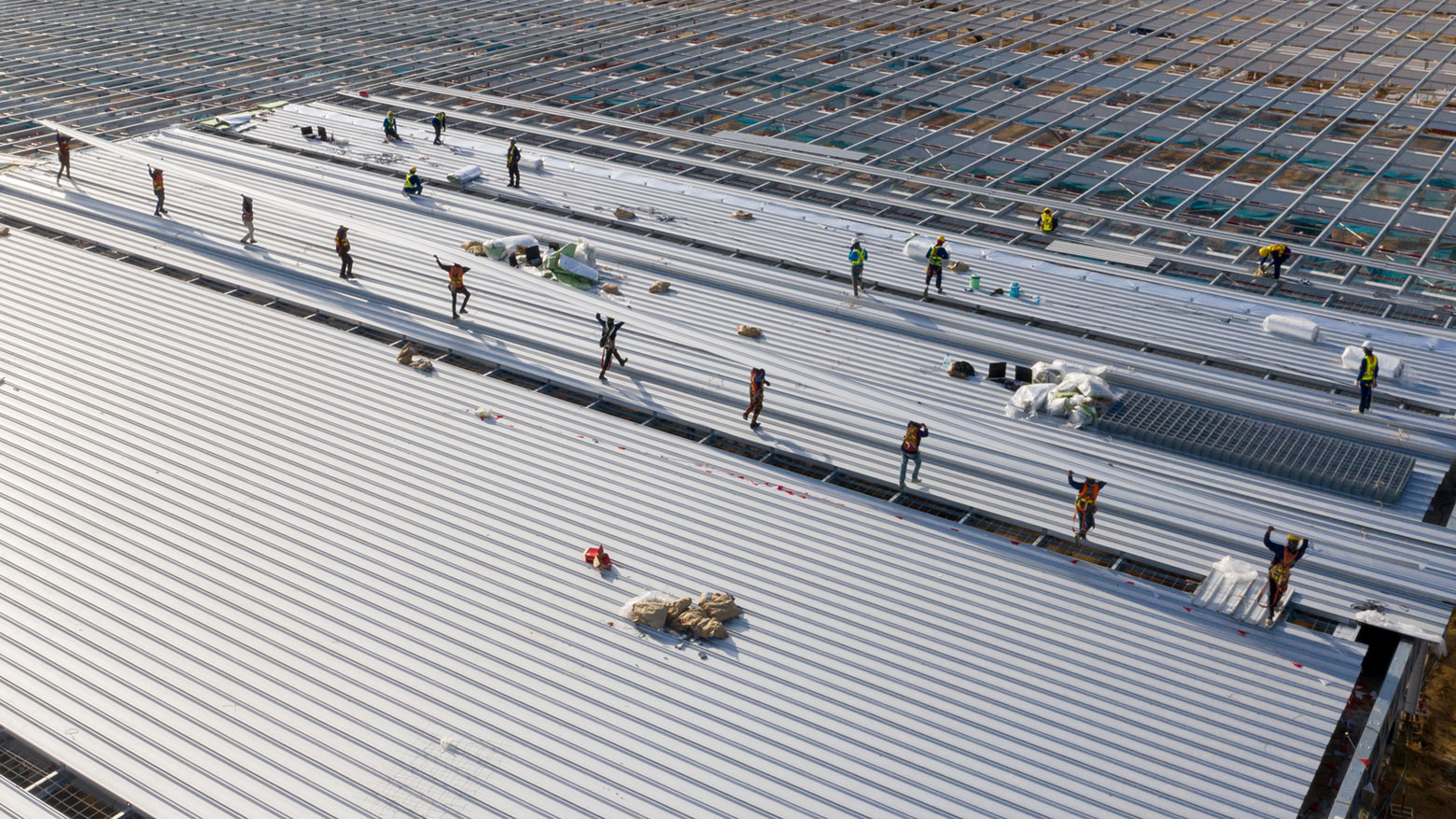
Architectural Sheet Metal in Milwaukee, WI
Custom copings, fascia, and edge metal fabricated to suit older Milwaukee facades and the wind coming off Lake Michigan, with profiles detailed so seams shed meltwater instead of trapping it.

Auto Dealership Roofing in Milwaukee, WI
Showrooms and service bays stay open while the roof is addressed, which matters when a January thaw sends water over the sales floor at a busy Milwaukee dealership.
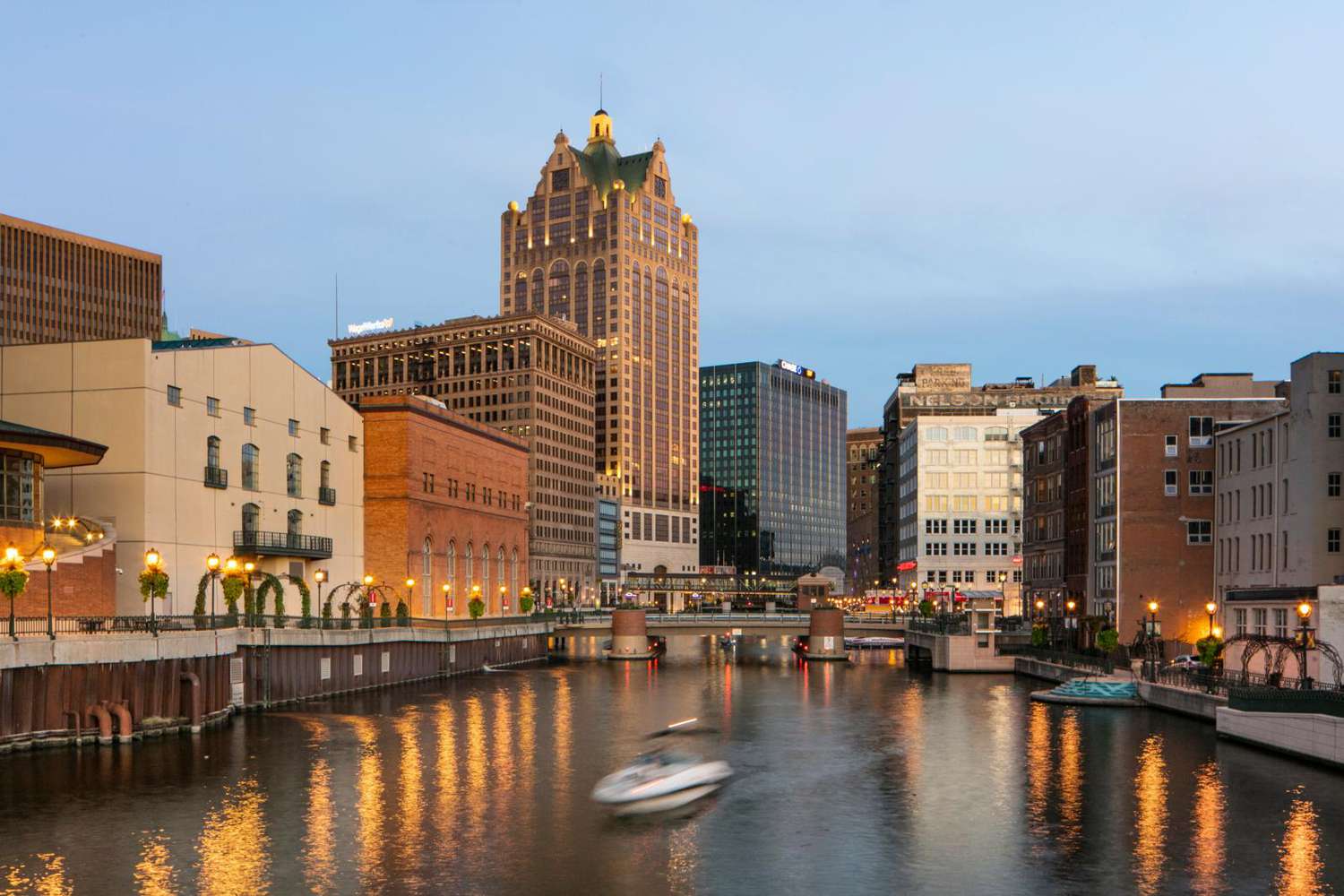
Commercial Roofing in Bay View, WI
Bay View mixes older storefronts along Kinnickinnic with light-industrial buildings near the lake, a stock where decades-old low-slope roofs and salt-laden lake air keep flashings and seams on the watch list.
Commercial Roofing in Bayside, WI
Roofing for Bayside's offices and retail sits close enough to Lake Michigan that wind uplift and winter ice loading drive the inspection more than anything else.