
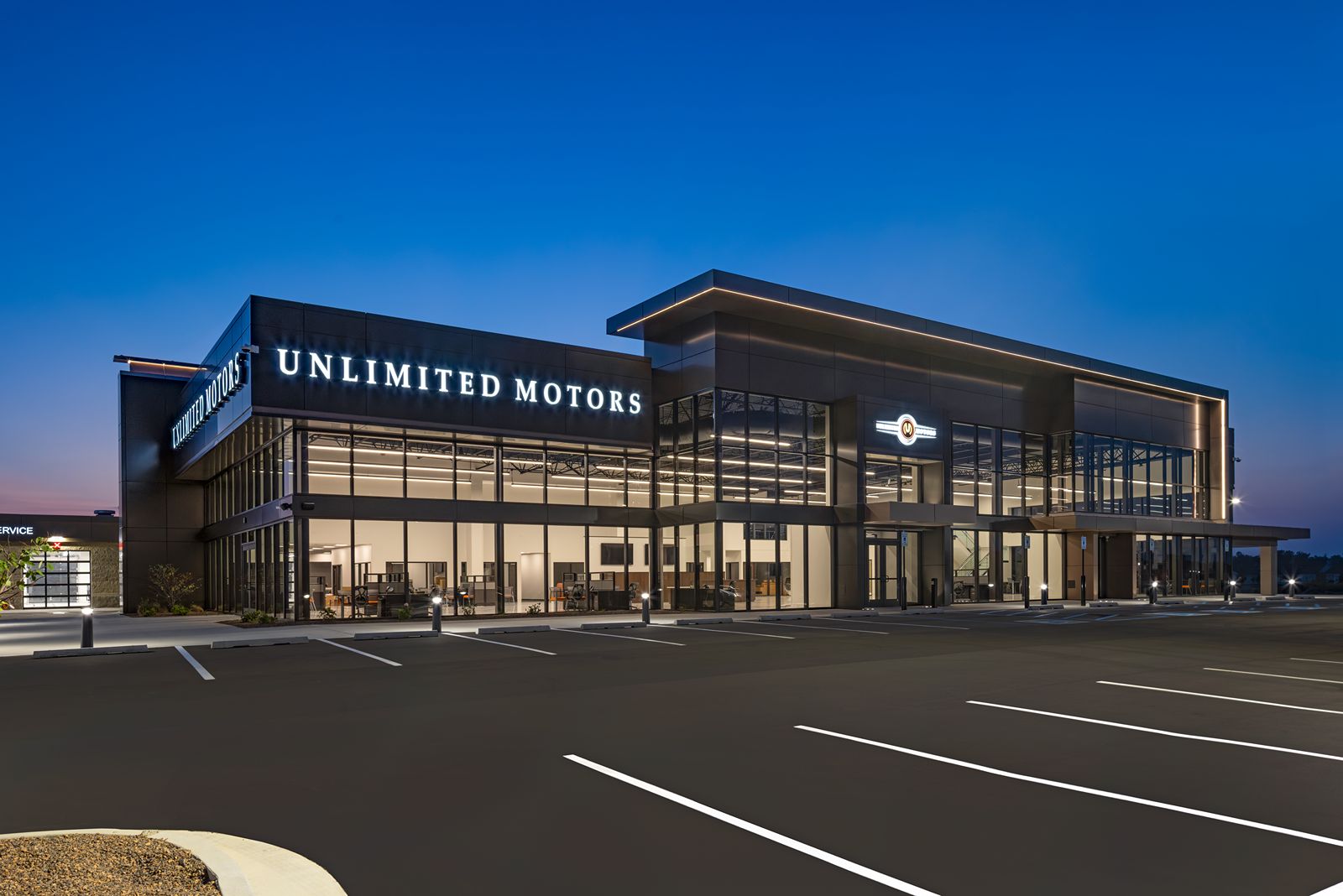
Auto Dealership Roofing in Milwaukee, WI
Commercial roofing for auto dealerships, car lots, service centers, and automotive facilities throughout Milwaukee, WI.
Commercial roofing for auto dealerships, service centers, and automotive retail facilities.
Russ Darrow Group operates one of Wisconsin's largest automotive dealer networks, with franchises spanning the Milwaukee metro from Waukesha to Menomonee Falls and Glendale, and the roofing requirements at those facilities capture the full severity of what Lake Michigan does to a commercial building's roof over a Wisconsin winter. Milwaukee's dealerships face snow loads that require structural engineering, freeze-thaw cycling that stresses every flashing detail, and the lake-effect snow system that can deposit a foot of snow in 12 hours with little advance warning from regional weather models.
Snow load management at Russ Darrow facilities begins with structural assessment. Wisconsin's State Building Code requirements for snow load design, combined with the potential for lake-effect accumulation events that exceed statewide design averages in the Milwaukee metro, mean that re-roofing projects must include a structural review of existing capacity before adding new insulation layers or modifying drain patterns. A dealership showroom connected to a lower service bay wing has multiple locations where drift accumulation can create structural hot spots that are not apparent from a ground-level inspection.
Showroom skylights at Milwaukee dealerships are tested by every Wisconsin winter. Heavy wet snow packs around skylight curbs, freeze-thaw cycling opens seal gaps at curb-to-frame interfaces, and the heat loss from the showroom floor creates ice dam conditions at skylight perimeters that are difficult to manage without proper insulation continuity. Annual post-winter inspection in April — and mid-winter monitoring during any significant snowfall event — are the minimum maintenance standards for Milwaukee dealership skylight systems.
Lake-effect snow events can arrive with as little as six to twelve hours of warning and can deposit 12 to 18 inches of heavy wet snow on a Milwaukee rooftop in a single event. A Russ Darrow facility manager who has not pre-qualified a snow removal contractor and established structural load thresholds for each building is underprepared for this risk. Emergency snow removal is more expensive than pre-arranged removal, and the structural risk of an overloaded roof — particularly on older dealership buildings designed to pre-current code standards — justifies the cost of a prepared response plan.
Freeze-thaw cycling at 40 to 55 cycles per year means that every vulnerable element of a Milwaukee dealership roof ages faster than in markets further south. Skylight curb flashings, HVAC curb flashings, pipe boot seals, and parapet wall cap flashings are all subject to seal degradation that is accelerated by this cycling. A maintenance budget that expects flashings to last as long as the membrane is under-funded for Milwaukee conditions. Proactive flashing replacement at seven to ten years — rather than waiting for visible leakage — is the cost-effective approach in this market.
Ice dam formation at parapet walls and skylight perimeters is chronic at Milwaukee heated showroom and service facilities. The solution at Milwaukee dealerships is not simply drainage — it is insulation continuity. A fully continuous polyisocyanurate insulation layer with no thermal bridging reduces roof heat loss enough to significantly reduce ice dam formation frequency and severity. This is both a maintenance benefit and an energy cost benefit: the Milwaukee heating season is long, and insulation that eliminates 20 percent of roof heat loss generates measurable annual savings.
GM facility programs — directly relevant to Russ Darrow's Chevrolet, GMC, and Buick franchises — have addressed facility energy performance in recent facility standard updates. Wisconsin's cold climate means that GM's energy performance thresholds may be met or exceeded by appropriate insulation upgrades, which is a favorable alignment between OEM requirements and sound cold-climate roofing practice. Confirming current GM facility program requirements with the regional facility representative before re-roofing design finalization ensures that the project satisfies both OEM standards and Wisconsin code.
Service department roofing at Milwaukee dealerships must address both the heat generated by service bay operations and the cold-weather performance demands of a facility that operates through Wisconsin winters. Service bay HVAC systems that heat large open spaces generate significant roof heat loss, contributing to ice dam formation at parapet walls and in drain sumps. The service bay roof is often the section of a dealership campus most in need of insulation upgrade — and it is also the section with the most roof penetrations, requiring the most careful waterproofing detail work during a re-roofing project.
Preventive maintenance for Milwaukee dealerships requires the four-inspection protocol standard for upper Midwest commercial properties: October pre-winter, January mid-winter, April post-winter, and August late-summer. The January inspection is not optional in Milwaukee — it is when the actual performance of the winter-prep work is assessed under real conditions. A drain that was confirmed functioning in October but has frozen by January represents a gap in the maintenance program that needs correction immediately, not at the spring inspection.
- KEE Single Ply Roofing
- Commercial Roof Leak Repair
- Edge Metal Coping Gutters
- Manufacturing Facility Roofing
- University Campus Roofing
- Built Up Roofing
- Skylight Penetration Flashing
- Restaurant Roofing
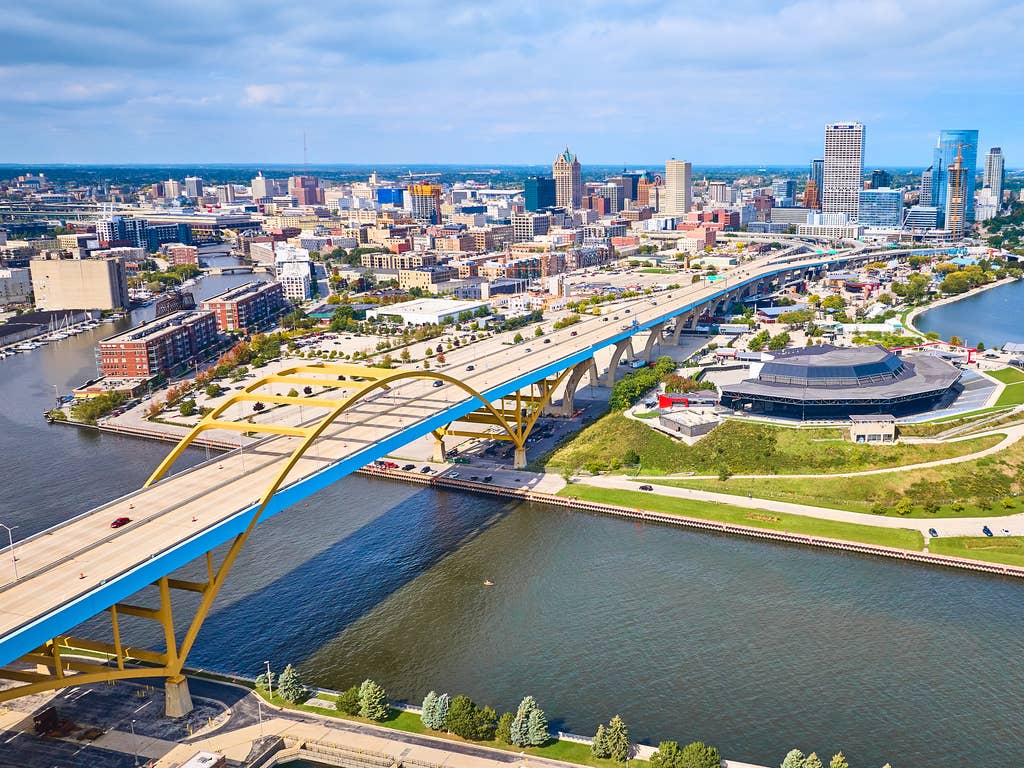
Share the roof address, current issue, photos if available, and any access limits. The response can be framed around inspection, repair, maintenance, coating review, or replacement planning.
Related roof pages
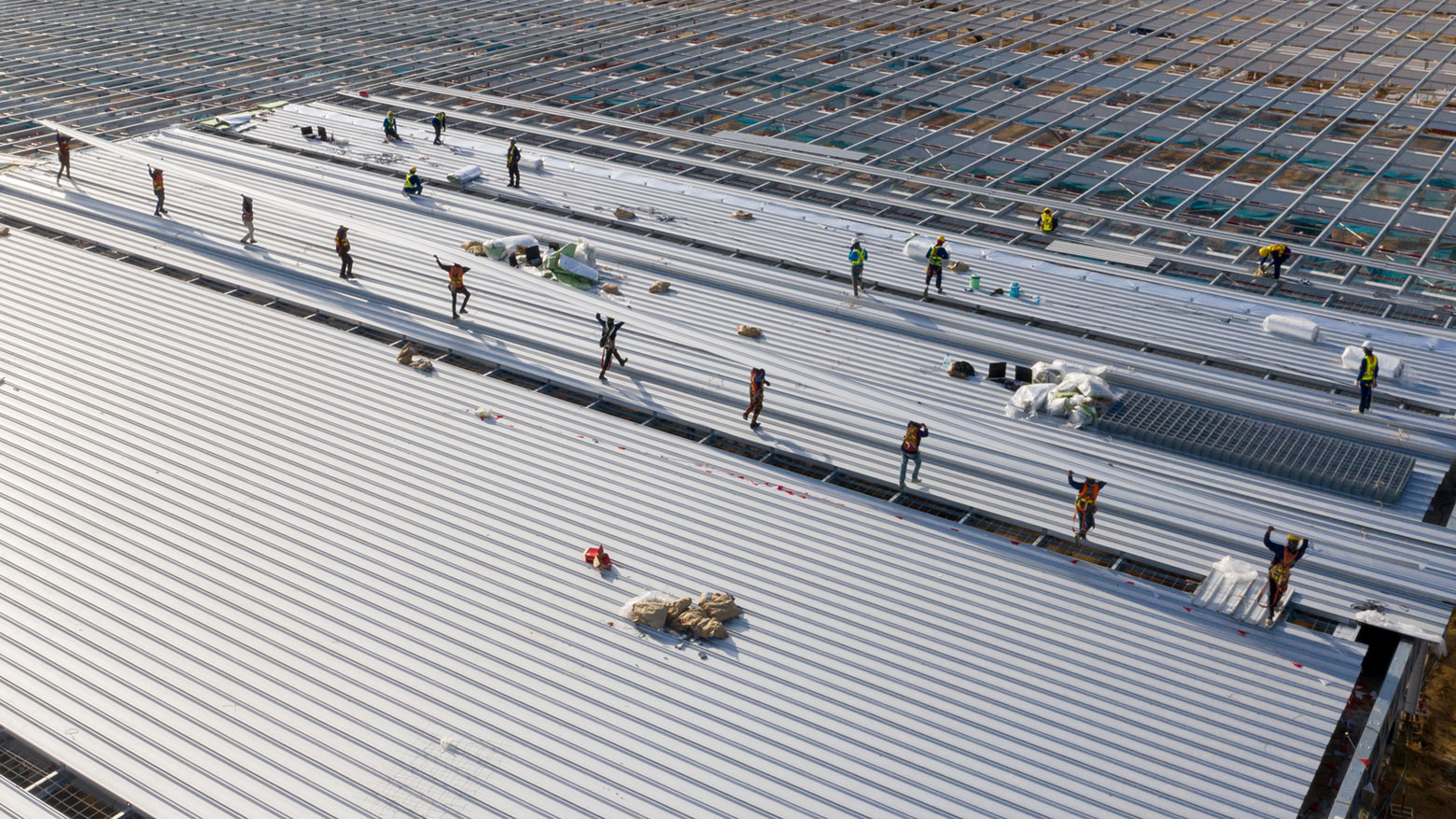
Architectural Sheet Metal in Milwaukee, WI
Custom copings, fascia, and edge metal fabricated to suit older Milwaukee facades and the wind coming off Lake Michigan, with profiles detailed so seams shed meltwater instead of trapping it.
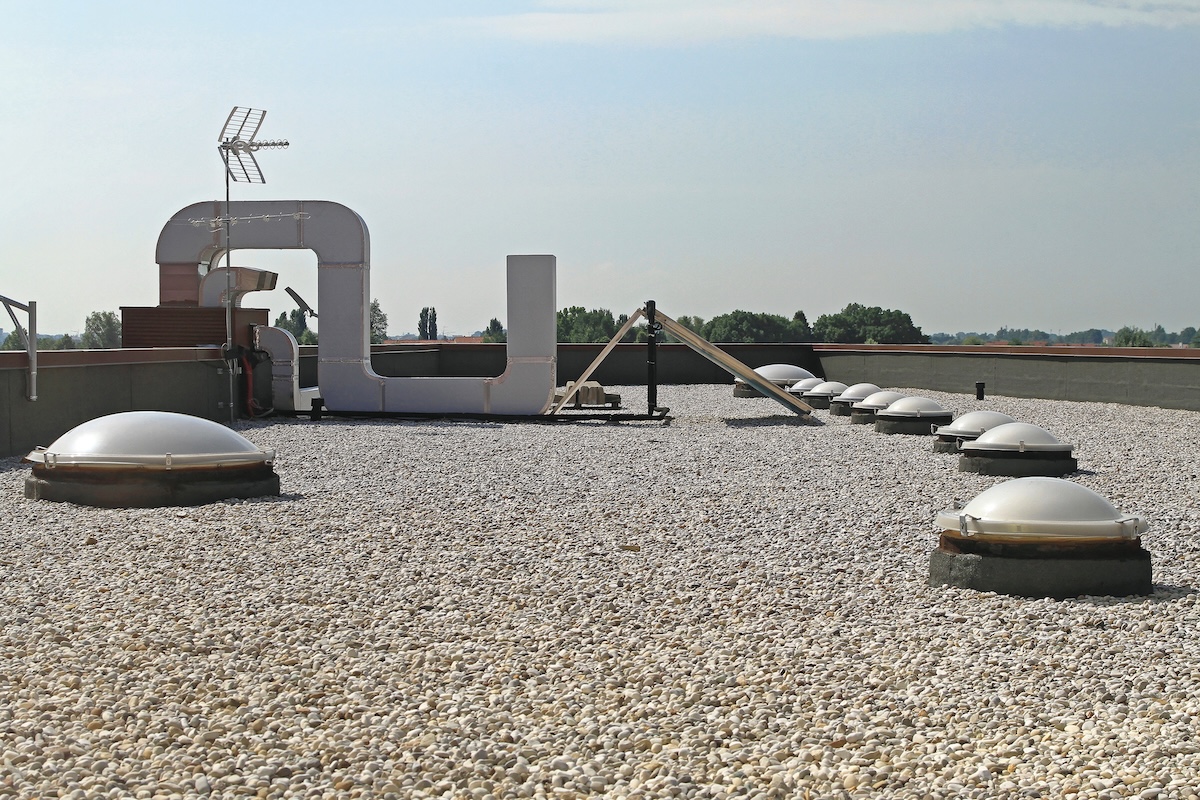
Built-Up Roofing in Milwaukee, WI
Many of Milwaukee's mid-century commercial blocks still wear gravel-surfaced BUR; we assess the ply count, blistering, and ponding before deciding between repair and a tear-off.
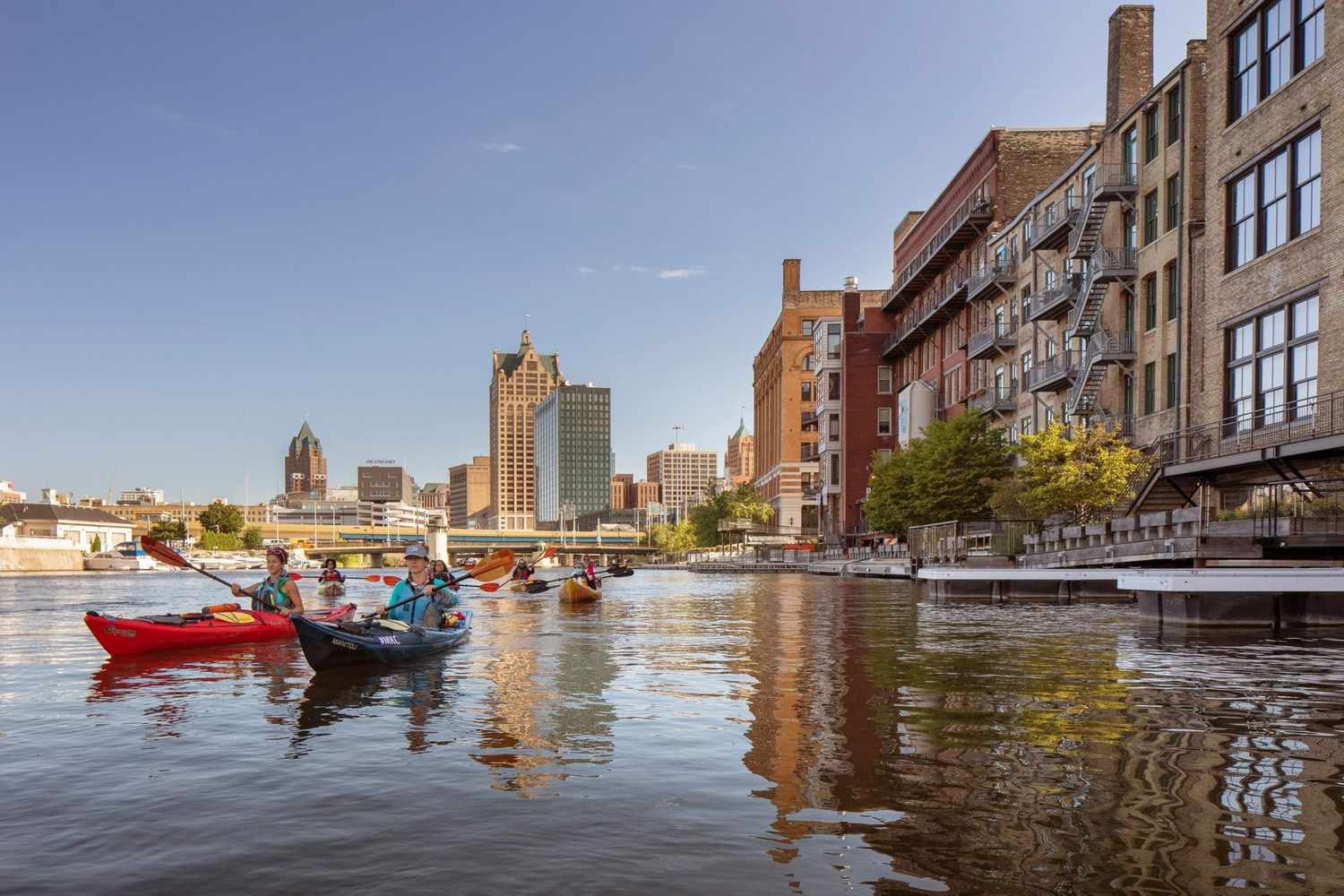
Commercial Roofing in Bay View, WI
Bay View mixes older storefronts along Kinnickinnic with light-industrial buildings near the lake, a stock where decades-old low-slope roofs and salt-laden lake air keep flashings and seams on the watch list.
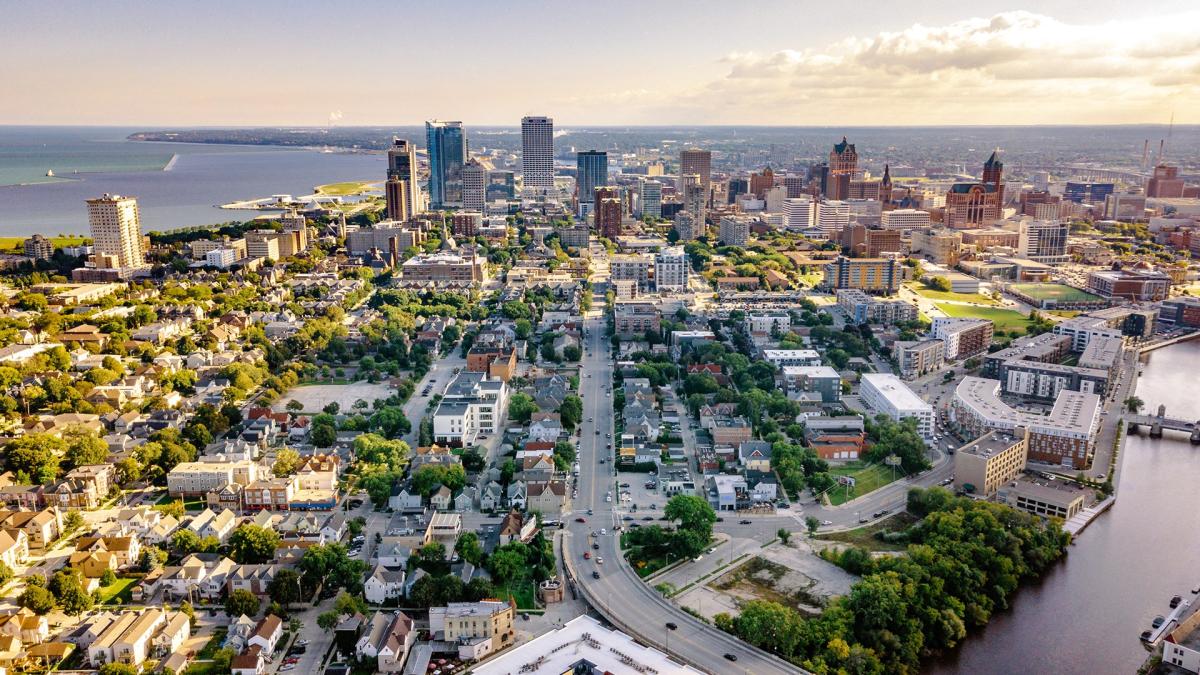
Commercial Roofing in Bayside, WI
Roofing for Bayside's offices and retail sits close enough to Lake Michigan that wind uplift and winter ice loading drive the inspection more than anything else.