
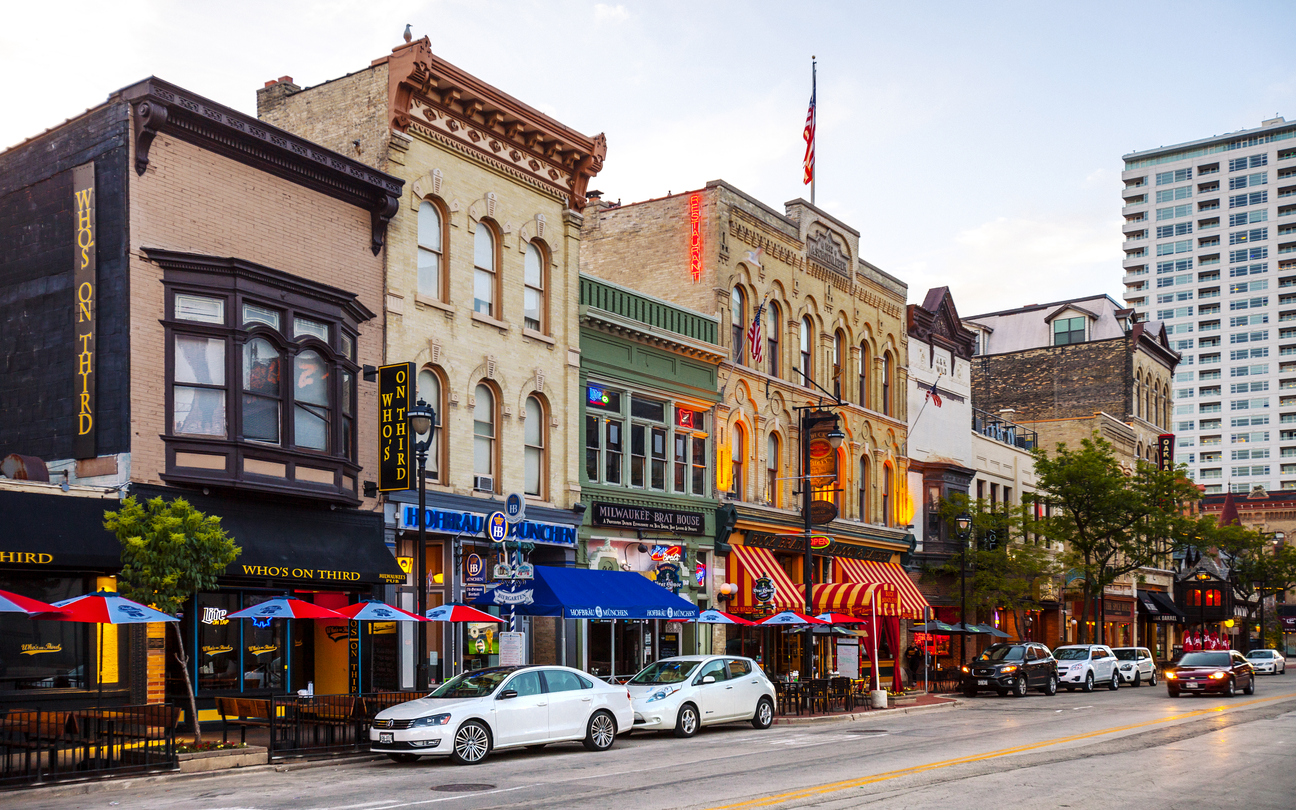
Movie Theater & Cinema Roofing in Milwaukee, WI
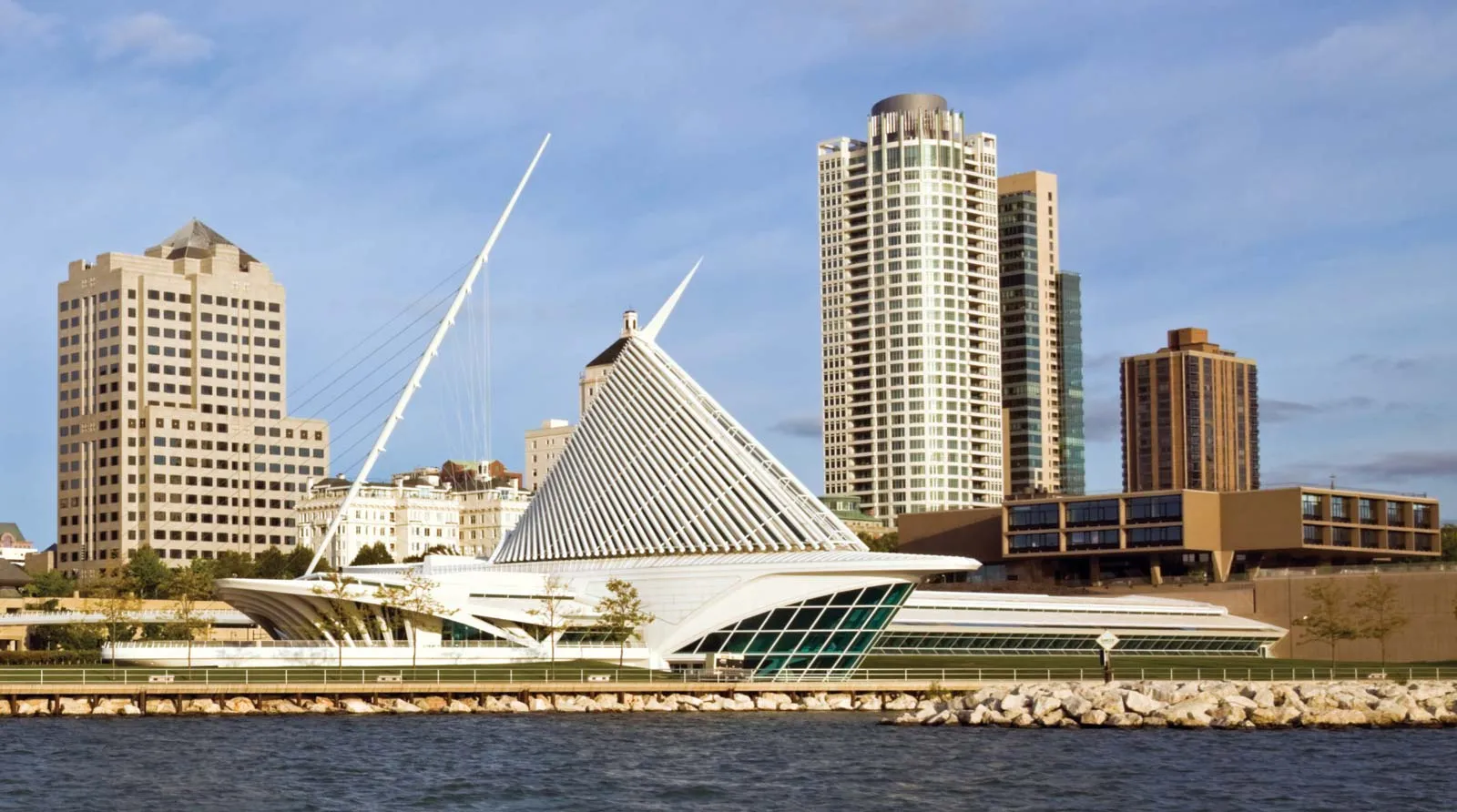
Roofing for Milwaukee movie theaters and cinemas — long clear-span decks, sound-quieting insulation, dense per-auditorium HVAC, and work scheduled around showtimes.
Roofing for the multiplexes and historic cinemas of the Milwaukee area — long clear-span decks, quiet auditoriums, and work that never interrupts a showtime.
This is a movie town, and the roofs are unusual
Milwaukee has an outsized relationship with the movies. Marcus Theatres, one of the country's larger cinema chains, is headquartered right here, and the local landscape runs from grand single-screen landmarks like the Oriental Theatre on Farwell Avenue and the Avalon in Bay View to the stadium-seating multiplexes in Brookfield, Mequon, and the southern suburbs. What these buildings share is a roof unlike almost anything else in commercial construction: enormous low-slope decks spanning auditoriums with no columns in the middle, sitting over rooms where sound and darkness are the whole product.
Long clear spans behave differently underfoot
A multiplex with eight to twelve screens carries roof spans of eighty to a hundred fifty feet over each auditorium with nothing holding up the middle. Those spans flex and deflect under snow and wind loads in ways a retail-strip fastening pattern was never designed to handle. We set fastener density and insulation attachment from the actual deck type and span on your building, not from a generic template, because a long clear-span theater deck and a small flat-roof storefront are not the same engineering problem even if both look flat from the street.
The roof is part of the sound and comfort system
An auditorium lives or dies on its acoustics and its climate. The roof assembly over a theater contributes to both — insulation that keeps a January cold snap or an August heat wave from bleeding into the room, and a build-up that helps keep rain drumming and outside noise from intruding on a quiet scene. When we reroof a cinema we think about the insulation value and the assembly as part of the experience inside, not just as a layer to keep water out.
The mechanical density rivals a hospital
Each auditorium typically wants its own rooftop HVAC unit, and on top of that you have concession exhaust, lobby heating vents, and condensers for the walk-in coolers behind the snack bar. The penetration cluster over a typical Milwaukee multiplex is genuinely dense — closer to what you find on a hospital or data center than on an ordinary retail building. Every curb, duct, and conduit run gets flashed and documented individually before new membrane goes over it.
Steel deck or concrete deck, and a core sample first
Cinemas are usually built on steel deck or concrete deck over structural steel. Steel takes mechanical attachment directly; concrete calls for an adhered or ballasted approach where the structure allows. Before we recommend a recover or a full tear-off on a theater here, we pull a core sample to confirm the existing insulation layers, check moisture content, and find out the total weight already in place, so the recommendation is based on what is actually up there.
Working around the screening schedule
Theaters run afternoons through late night, every day, which makes them feel like a 24-hour building to schedule around. Loading-dock access for HVAC service, marquee electrical runs, and evening crowds at the entries all factor into how we sequence the work. We coordinate with your facilities team before mobilizing so each section is watertight before the evening shows and the crew stays clear of opening procedures.
Historic single-screen houses are their own challenge
The grand old theaters in this market are a different animal from a suburban multiplex. A building like the Oriental on the East Side carries decades of roof history — layered roofs, ornate parapets, decorative cornices, and roof-to-wall transitions that were detailed long before modern single-ply existed. On these buildings we move carefully: we document the existing assembly, respect the architectural details at the perimeter, and choose a system and a flashing approach that protects the building without fighting its character. Parapet and coping work tends to be where the real leaks live on an older theater, and getting those edges right matters more than the field of the roof.
Cool roofs, energy code, and a building that runs in the dark
A cinema spends most of its operating hours cooling a packed, dark room full of people and projection equipment, which means the rooftop HVAC works hard and the energy cost is real. A white reflective membrane lowers the rooftop temperature and the cooling load through Milwaukee's hot, humid summers, and it lines up with the cool-roof requirements most local jurisdictions now apply to commercial reroofing permits. Tightening the insulation at the same time pays off in both directions — less heat gain in July, less heat loss in January. When we reroof a theater we treat the energy performance of the assembly as part of the value, not an afterthought, because the operator feels it on every utility bill for the next two decades.
Common questions from theater operators
What membrane do you put on a multiplex?
Most often a 60- or 80-mil TPO, mechanically attached over tapered polyiso. The tapered insulation fixes decades of accumulated drainage problems on a flat theater roof, and white TPO meets the cool-roof energy code most jurisdictions apply to reroofing here. We add reinforced walkway pads around rooftop units to protect the membrane from service traffic.
How do you handle the long auditorium spans?
We verify deck type and gauge before specifying fasteners and pull-out values — older short-rib steel deck holds less than modern three-inch rib. Where deflection is a concern we may use an adhered or hybrid system to keep point loads off the seams.
Can you reroof without disrupting showtimes?
Yes. We plan tear-off and dry-in around the screening schedule so every section is watertight before evening shows, and we coordinate any HVAC shutdown windows needed for curb or penetration work.
How is a cinema reroof priced?
By the roof square (100 square feet), based on membrane, existing assembly condition, penetration density, and access. Most multiplex reroofs include tapered insulation, which adds cost but extends membrane life by eliminating ponding. We quote a fixed price after a roof walk and core review.
Do you handle the marquee and entry canopy connections?
Yes. Marquee and canopy attachment penetrations are treated as individual flashing items, and the entry canopy-to-building transition — a chronic leak point on older theaters — is re-flashed as part of the project.
- Automotive Manufacturing Roofing
- Fire Station Roofing
- Multi Tenant Retail Strip Roofing
- Higher Education Roofing
- Convenience Store Roofing
- Edge Metal Coping Gutters
- Restaurant Roofing
- Modified Bitumen Roofing
Share the roof address, current issue, photos if available, and any access limits. The response can be framed around inspection, repair, maintenance, coating review, or replacement planning.
Related roof pages
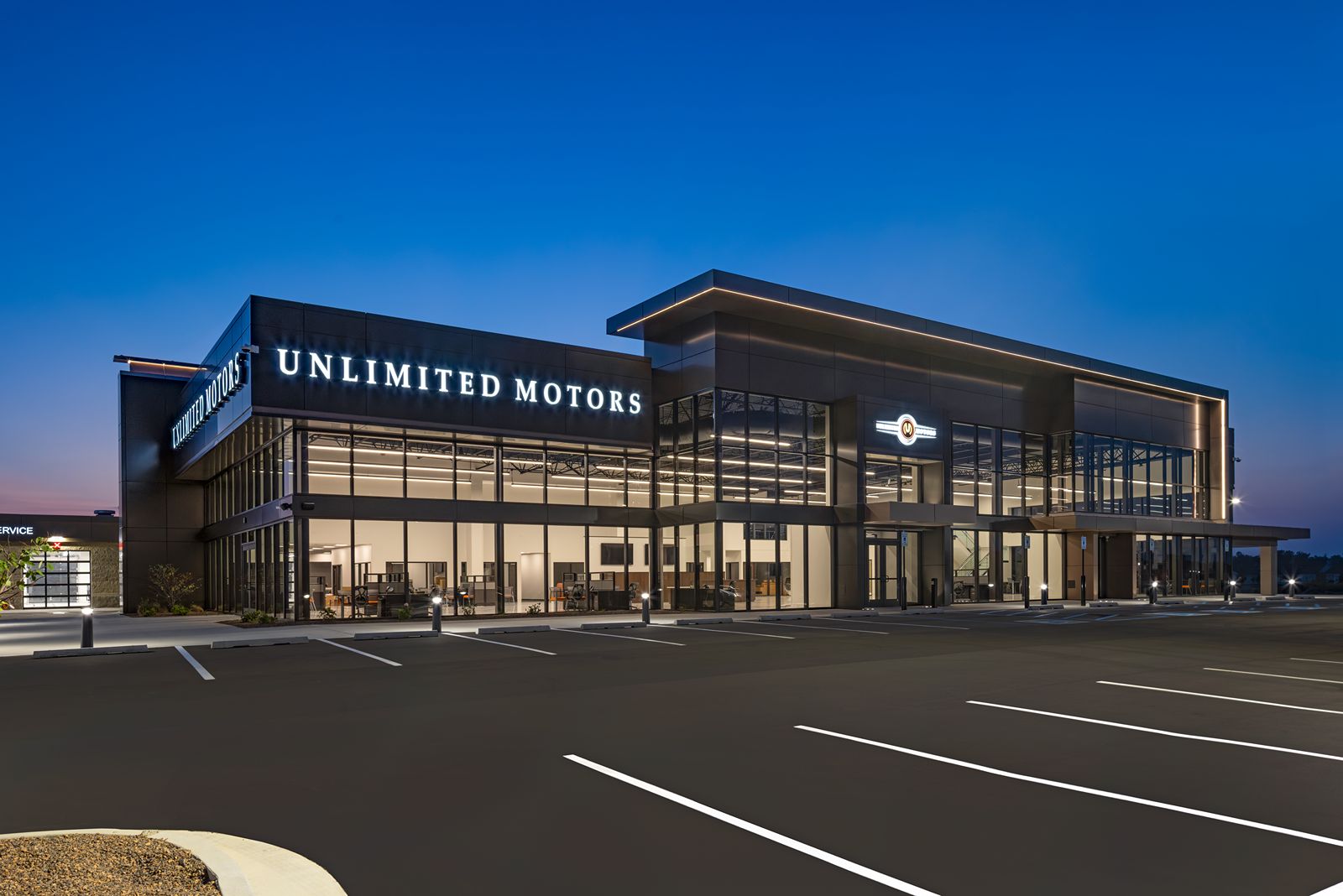
Auto Dealership Roofing in Milwaukee, WI
Showrooms and service bays stay open while the roof is addressed, which matters when a January thaw sends water over the sales floor at a busy Milwaukee dealership.
Commercial Roofing in Bay View, WI
Bay View mixes older storefronts along Kinnickinnic with light-industrial buildings near the lake, a stock where decades-old low-slope roofs and salt-laden lake air keep flashings and seams on the watch list.

Commercial Roofing in Bayside, WI
Roofing for Bayside's offices and retail sits close enough to Lake Michigan that wind uplift and winter ice loading drive the inspection more than anything else.
Airport Terminal & Aviation Facility Roofing in Milwaukee, WI
Terminal and hangar roofs at Mitchell International and area airfields span huge areas under strict access rules, where drainage and wind uplift get more attention than almost anything else.