
Brewery, Distillery & Food Production Roofing in Milwaukee, WI
Commercial roofing for brewery, distillery & food production roofing in Milwaukee, WI — specifications, scheduling, and project coordination for this building type.
Commercial roofing for brewery, distillery & food production roofing in Milwaukee, WI — specifications, scheduling, and project coordination for this building type.
Brewery, distillery, and food production facility roofing is a specialty. The contractor who says "we do commercial roofing, breweries are just flat roofs" has told you they haven't thought carefully about what makes a brewery different. The vapor control engineering, chemical compatibility specification, production schedule coordination, and CO₂ and steam exhaust detailing that a production facility requires are different from standard commercial practice — and the difference shows up in the building's performance 3-5 years after installation when a misspecified roof starts failing. Ask your bidders specifically: have you roofed a production brewery or distillery before? What was the building's interior humidity condition? How did you specify the vapor retarder?
Membrane manufacturer certification is the technical credential to verify first for brewery and distillery roofing in Milwaukee. Chemical-resistant TPO and PVC systems — the appropriate specification for production environments — are available with manufacturer warranty coverage only through certified applicators. Certification levels matter: some manufacturers have a "certified applicator" level that covers standard commercial work and a "preferred contractor" or "master applicator" level that's required for NDL warranty on large or high-occupancy buildings. Verify the certification level directly with the manufacturer before awarding a production facility contract.
Production facility experience references are the second verification. Call the head brewer or production manager at the last two or three facilities where the contractor completed roofing work. Ask specifically: did the contractor work within the production schedule, did any roofing activity affect the product or the production run, and did any post-installation performance issues emerge with the vapor control or chemical resistance of the system? Those answers will tell you whether the contractor understood what a production environment required.
Brewery & Distillery Roofing — Contractor Selection Questions
Ask: have you roofed a production brewery or distillery in the last 3 years, and can you provide a reference from the head brewer or production manager? How did you specify the vapor retarder for the interior humidity conditions in that facility? What membrane system did you use and why — specifically why TPO or PVC over EPDM for a production environment? How did you handle CO₂ and steam exhaust penetrations? A contractor who can answer these questions specifically and correctly has done this work. One who gives generic commercial roofing answers hasn't.
A complete proposal for a brewery or distillery should include: vapor retarder specification with design basis (interior RH assumptions, climate zone), membrane system specification with chemical resistance data sheet for the sanitizing chemicals used at the facility, equipment load review confirmation from the structural engineer, production schedule coordination plan, CO₂ and exhaust penetration detail drawings or specifications, chemical disposal plan for demolition materials, and annual maintenance program with inspection checklist tailored to production environment conditions. A generic flat-roof commercial proposal is not a brewery proposal.
Ask each bidder to explain their vapor retarder placement and the design basis for it — specifically: what interior relative humidity did they assume, and how did they calculate the dew point position within the assembly for Milwaukee's climate zone? A contractor who specified the vapor retarder based on ASHRAE climate zone tables for a standard commercial occupancy (35-45% RH) has not designed for your building. A contractor who asked about your interior humidity and calculated the dew point position for actual conditions has. The design basis determines whether the assembly will perform — ask for it in writing.
A 20-year NDL manufacturer warranty, registered to the property owner, with semi-annual inspection requirements and a chemical exposure documentation requirement. The warranty should specify the membrane system, the certified applicator's name, and the chemical resistance rating of the installed product. At annual inspections, the inspector should document any chemical exposure evidence at drain and exhaust areas and update the chemical exposure log in the warranty file. A warranty without documented inspection records is a warranty that may not pay out when it needs to.
Call the head brewer or production manager directly — not a general facility manager who may not know the technical details. Ask: did the contractor work within your production schedule without affecting any batch; did any post-installation issues emerge with vapor drive or membrane performance in the first 3 years; and would you hire this contractor again for your next production facility project? The answers to those three questions are worth more than any credential document in determining whether the contractor is actually qualified for production environment work.
- Big Box Retail Roofing
- Government Municipal Roofing
- Senior Living Facility Roofing
- Food Processing Facility Roofing
- Daycare Childcare Roofing
- Hotel Roofing
- Spray Foam Roofing
- Edge Metal Coping Gutters
Share the roof address, current issue, photos if available, and any access limits. The response can be framed around inspection, repair, maintenance, coating review, or replacement planning.
Related roof pages
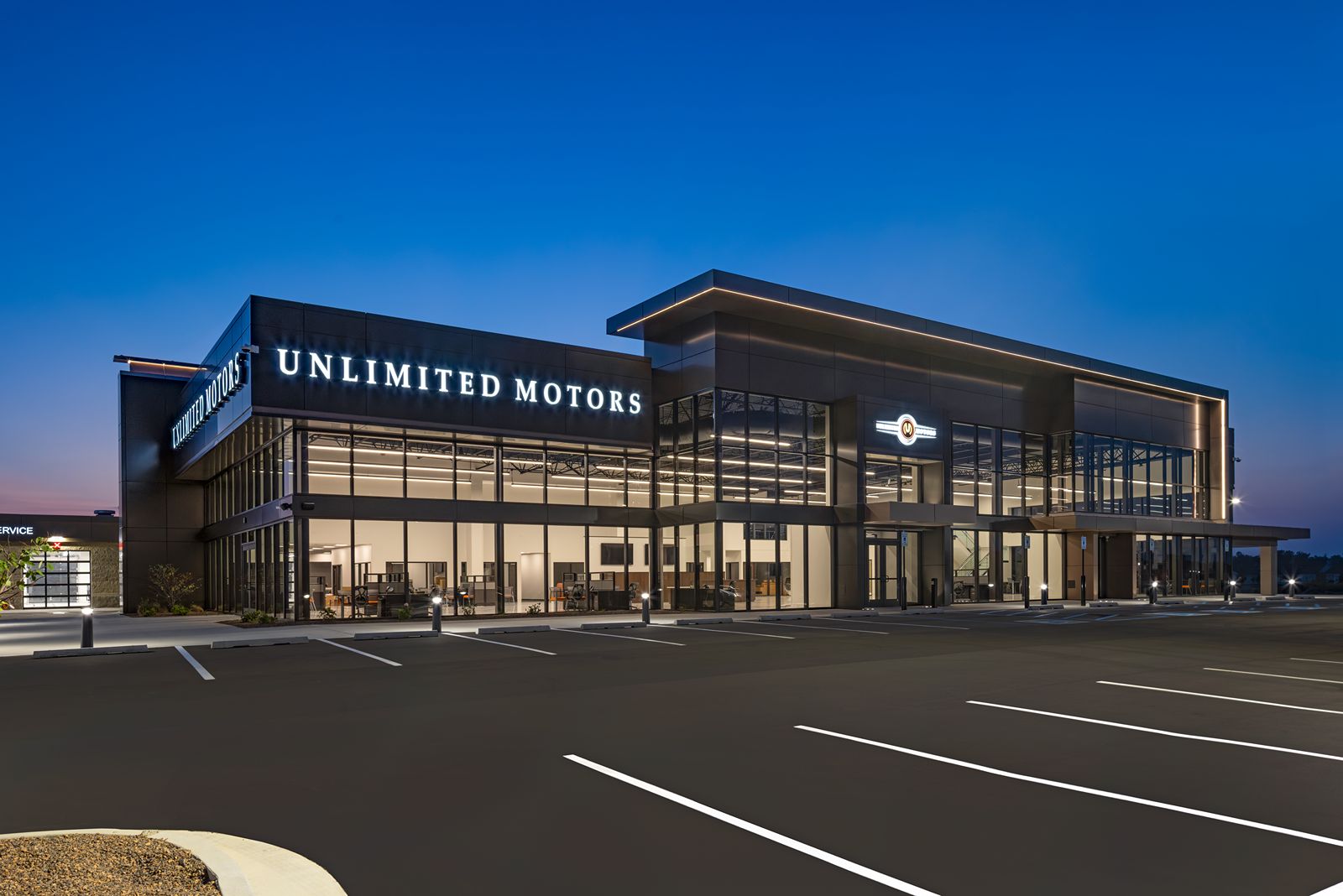
Auto Dealership Roofing in Milwaukee, WI
Showrooms and service bays stay open while the roof is addressed, which matters when a January thaw sends water over the sales floor at a busy Milwaukee dealership.
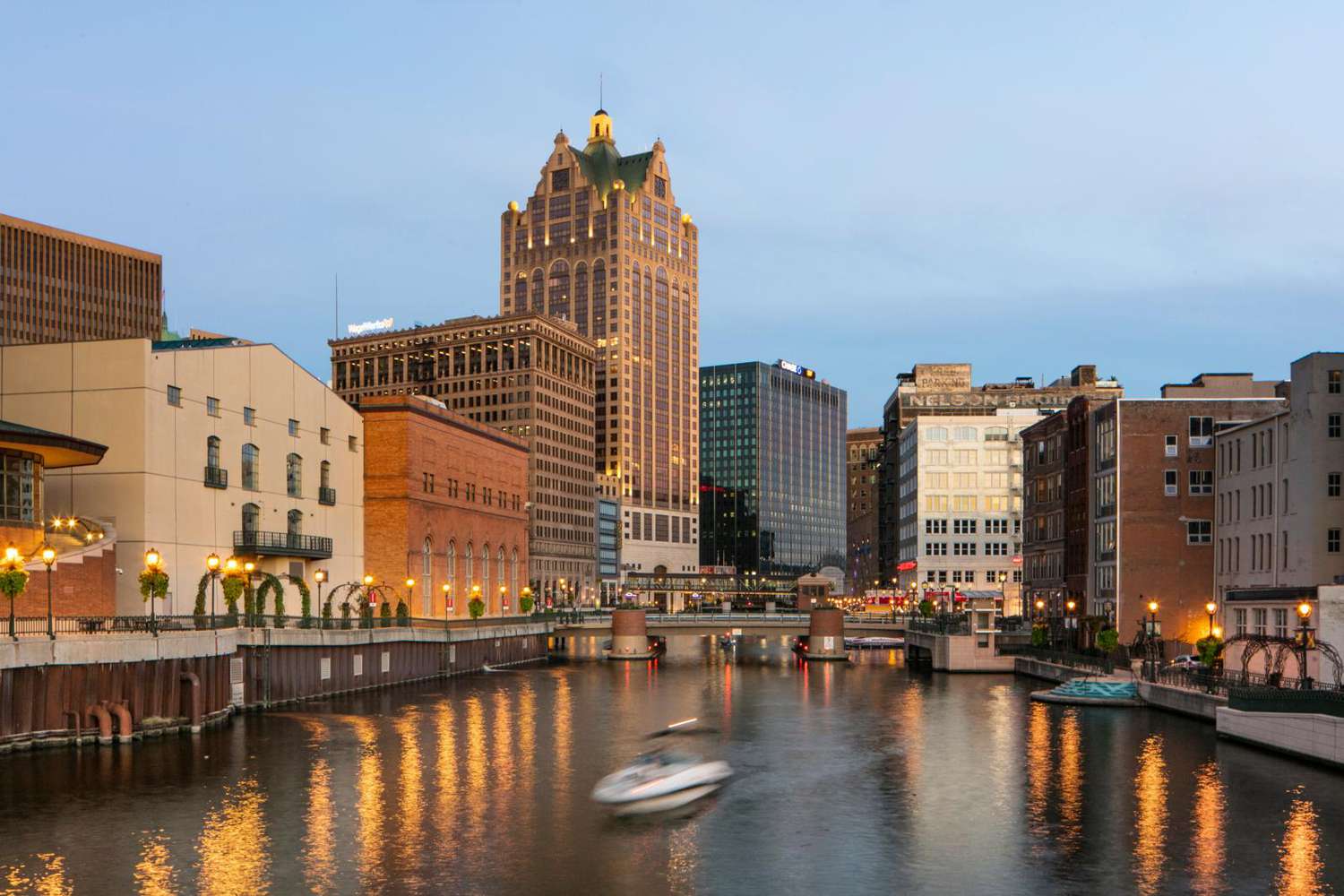
Commercial Roofing in Bay View, WI
Bay View mixes older storefronts along Kinnickinnic with light-industrial buildings near the lake, a stock where decades-old low-slope roofs and salt-laden lake air keep flashings and seams on the watch list.
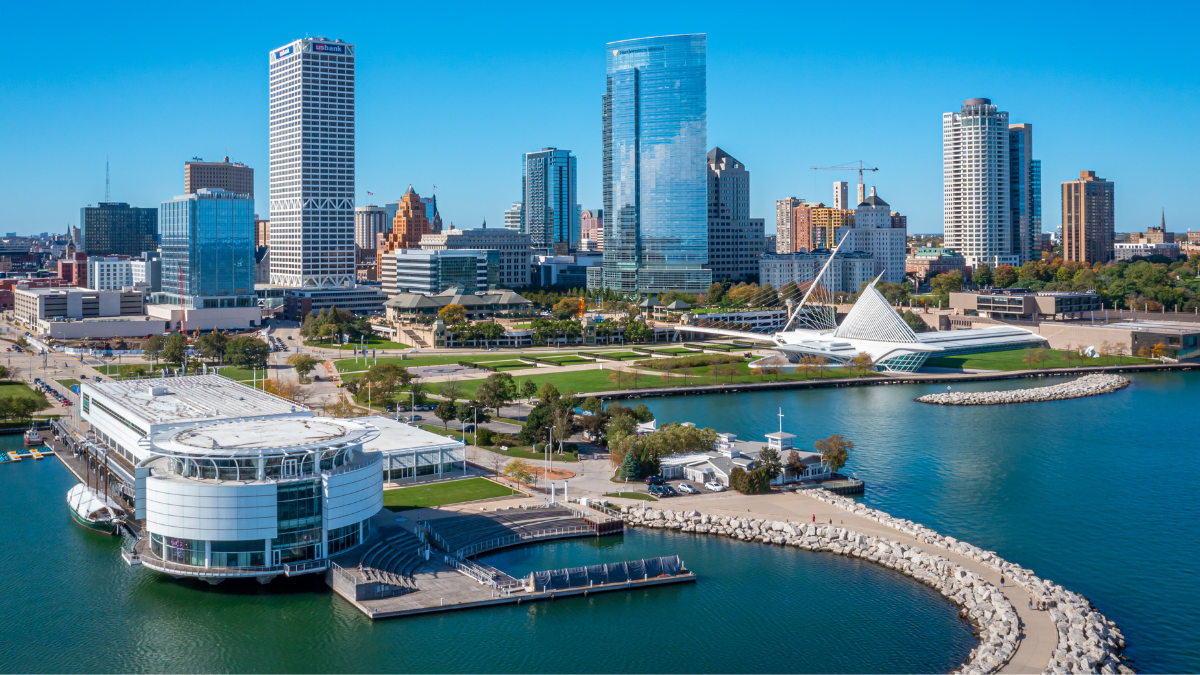
Commercial Roofing in Bayside, WI
Roofing for Bayside's offices and retail sits close enough to Lake Michigan that wind uplift and winter ice loading drive the inspection more than anything else.
Airport Terminal & Aviation Facility Roofing in Milwaukee, WI
Terminal and hangar roofs at Mitchell International and area airfields span huge areas under strict access rules, where drainage and wind uplift get more attention than almost anything else.