
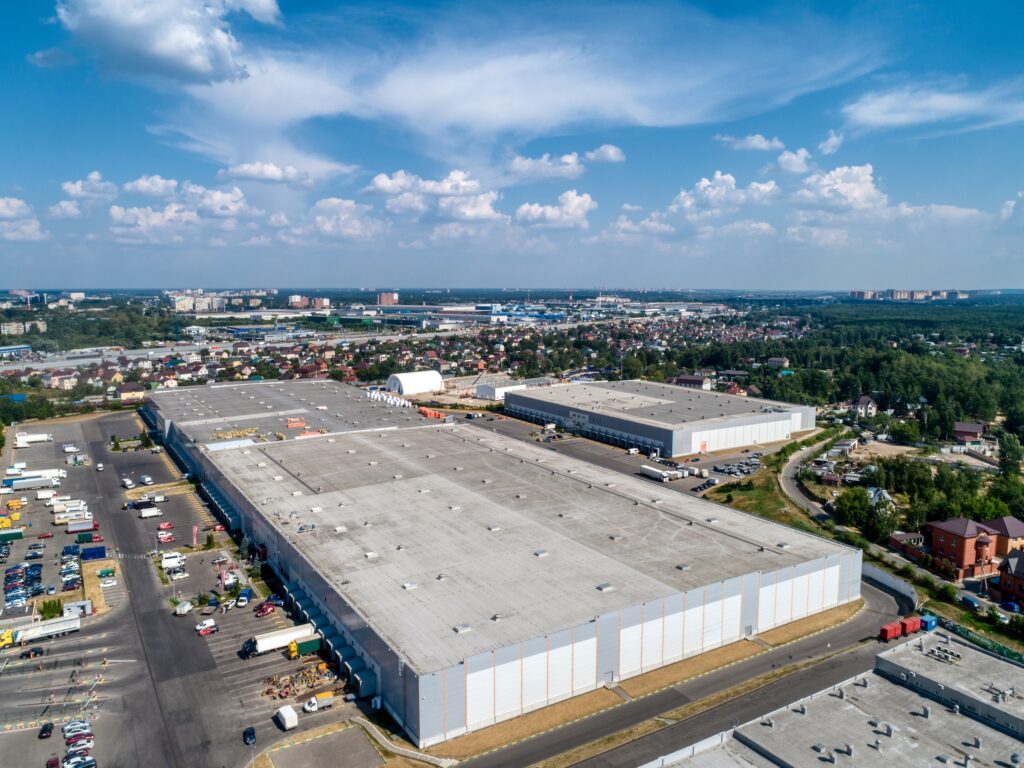
Warehouse and Distribution Center Roofing in Milwaukee, WI
Commercial roofing for warehouses, distribution centers, and industrial facilities throughout Milwaukee, WI. TPO, EPDM, and metal roof systems.
Commercial roofing for warehouses, distribution centers, and industrial storage facilities.
Uline's massive distribution campus in Pleasant Prairie, just south of Milwaukee on I-94, represents the scale of warehouse operation that defines the southeastern Wisconsin logistics market. The shipping supply giant's midwestern hub serves a multi-state territory and operates in a climate that makes cold-weather roofing performance the central design constraint. Milwaukee sits at the western shore of Lake Michigan, and the lake effect snow machine that activates every November through March can deposit 80–100 inches of snow annually in some years—substantially more than inland Wisconsin markets. A warehouse roof in Milwaukee must be designed for extraordinary snow accumulation, intense freeze-thaw cycling, and the occasional Lake Michigan blizzard that dumps a foot of snow in 12 hours.
Snow load is the governing structural design condition for Milwaukee warehouse roofs. Milwaukee County ground snow loads run 30–40 psf, and lake-effect snow accumulation events can push rooftop loads above the design threshold if the building owner fails to monitor and remove snow. The critical failure mode in Milwaukee warehouse roofing is not membrane failure—it is structural overload from accumulated snow combined with rain-on-snow or ice dam events that concentrate weight at specific roof zones. Building owners must know their structure's design snow load, have a snow monitoring protocol in place, and have a pre-contracted snow removal crew available for rapid mobilization when accumulation approaches design limits.
EPDM dominates the Milwaukee warehouse membrane market for the same reasons it dominates all of Wisconsin: cold-temperature flexibility, wide installation temperature range, and deep contractor familiarity. Modern cold-weather TPO formulations are competitive and have been installed on recent warehouse projects in the metro area, but the contractor community's EPDM experience base means that quality EPDM installation is more reliably available than quality cold-weather TPO installation. Mechanically fastened EPDM systems with heat-bonded seams are a strong choice for Milwaukee's wind and snow environment, providing both the flexibility needed for cold-temperature cycling and the seam strength needed for significant wind uplift.
Drainage engineering for Milwaukee warehouse roofs must account for three distinct drainage events: summer convective storms, spring snowmelt surges, and rain-on-snow events during Wisconsin's mixed-precipitation winter periods. Primary drain sizing calculations should use the 100-year summer storm as the design event, but the spring melt scenario should be evaluated as a secondary check. Heated drain bowls and heat-traced drain lines are standard practice on newer Milwaukee commercial buildings, and older buildings that lack this feature should prioritize adding it as part of any re-roofing project. Lake effect snow events can develop quickly overnight, and a building whose drains are not functioning through a winter warm-up can accumulate significant water before the morning crew arrives.
Dock penetrations in Milwaukee warehouse facilities face the same challenges as other Wisconsin markets, with the additional consideration of lake-effect humidity. The Lake Michigan shore-effect creates elevated ambient humidity at Milwaukee compared to inland Wisconsin markets, which means condensation risks at dock penetrations are slightly higher. Vapor barrier backing at all through-roof penetrations, proper EPDM pipe boot installation with factory-applied seam tape, and annual inspection for condensation-related staining or corrosion at penetration collars are the appropriate maintenance protocol for Milwaukee-area warehouses.
Forklift operations in Milwaukee warehouses include both propane and electric equipment, with the Milwaukee industrial market transitioning to electric at a pace driven by tenant sustainability programs. Propane exhaust stacks require cold-rated silicone sealant at pitch pockets—standard pourable sealer fails at Milwaukee winter temperatures. Battery charging ventilation should be routed to minimize the number of roof penetrations, and where penetrations are required, they should be flashed with the same care as propane exhaust stacks. Electric heating demand during Milwaukee winters means that battery-charging operations run more heavily in winter, increasing the continuous load on charging station ventilation penetrations.
Energy efficiency requirements for Milwaukee warehouse roofing are governed by Wisconsin's commercial energy code, which follows ASHRAE 90.1 and requires R-30 for low-slope commercial assemblies in Climate Zone 6A, which includes Milwaukee County. The lake-effect microclimate at Milwaukee means that heating degree days in some years approach 8,000, making insulation R-value a significant factor in operating costs. A warehouse re-roofing project that brings an older building from R-10 or R-15 to R-30 can reduce annual heating costs meaningfully—for a large distribution facility, the payback on insulation upgrade investment is often under seven years in Milwaukee's climate.
The Milwaukee commercial roofing contractor community is well-developed, with multiple firms experienced in large industrial projects and certified by major membrane manufacturers. The Wisconsin market's cold-weather roofing experience is genuine—contractors here understand snow load management, cold-weather installation protocols, and the specific maintenance needs of buildings in the lake-effect snow zone in a way that contractors from warmer markets do not. Priority qualifications include manufacturer certification for the proposed membrane, documented experience with comparable Milwaukee-area industrial projects, and the capacity to mobilize emergency crews after significant snow events.
Replacement and repair costs for Milwaukee warehouse roofing reflect Wisconsin's competitive contractor market and reasonable material costs. Budget $11–$16 per square foot for an EPDM or cold-weather TPO recover with new polyiso insulation meeting R-30, and $16–$22 for a full tear-off and replacement. Snow removal services for commercial rooftops are a recurring cost that should be built into annual operating budgets for Milwaukee warehouse operators—a snow removal event on a large warehouse can cost $5,000–$15,000 per occurrence, and proactive removal when accumulation approaches two-thirds of the design snow load is far less expensive than structural repairs.
- Preventive Roof Maintenance
- Metal R Panel Roofing
- Snow Ice Roof Damage
- Industrial Roofing
- Restaurant Roofing
- EPDM Commercial Roofing
- Hail Damage Roof Restoration
- Self Storage Roofing
Share the roof address, current issue, photos if available, and any access limits. The response can be framed around inspection, repair, maintenance, coating review, or replacement planning.
Related roof pages
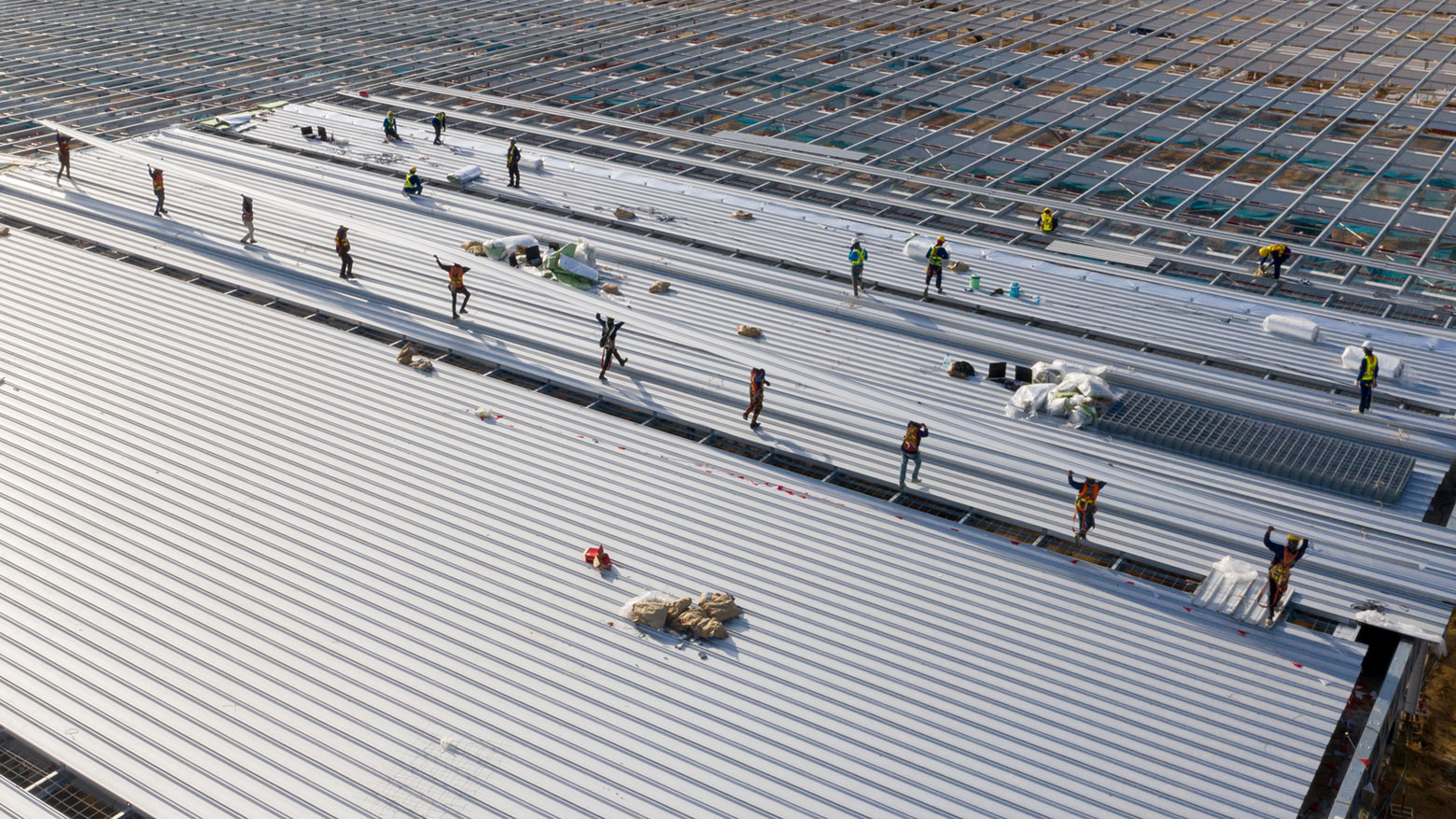
Architectural Sheet Metal in Milwaukee, WI
Custom copings, fascia, and edge metal fabricated to suit older Milwaukee facades and the wind coming off Lake Michigan, with profiles detailed so seams shed meltwater instead of trapping it.
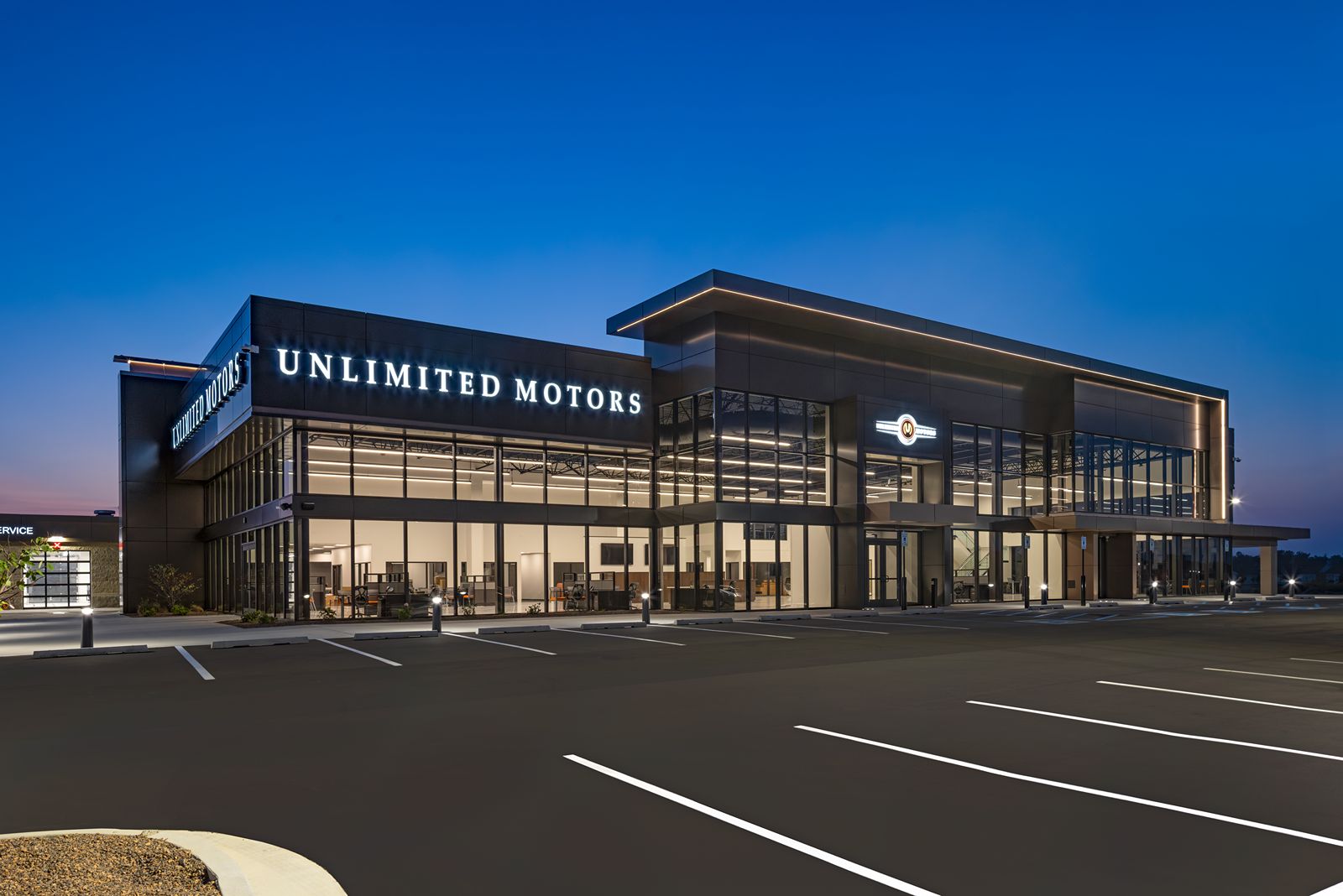
Auto Dealership Roofing in Milwaukee, WI
Showrooms and service bays stay open while the roof is addressed, which matters when a January thaw sends water over the sales floor at a busy Milwaukee dealership.
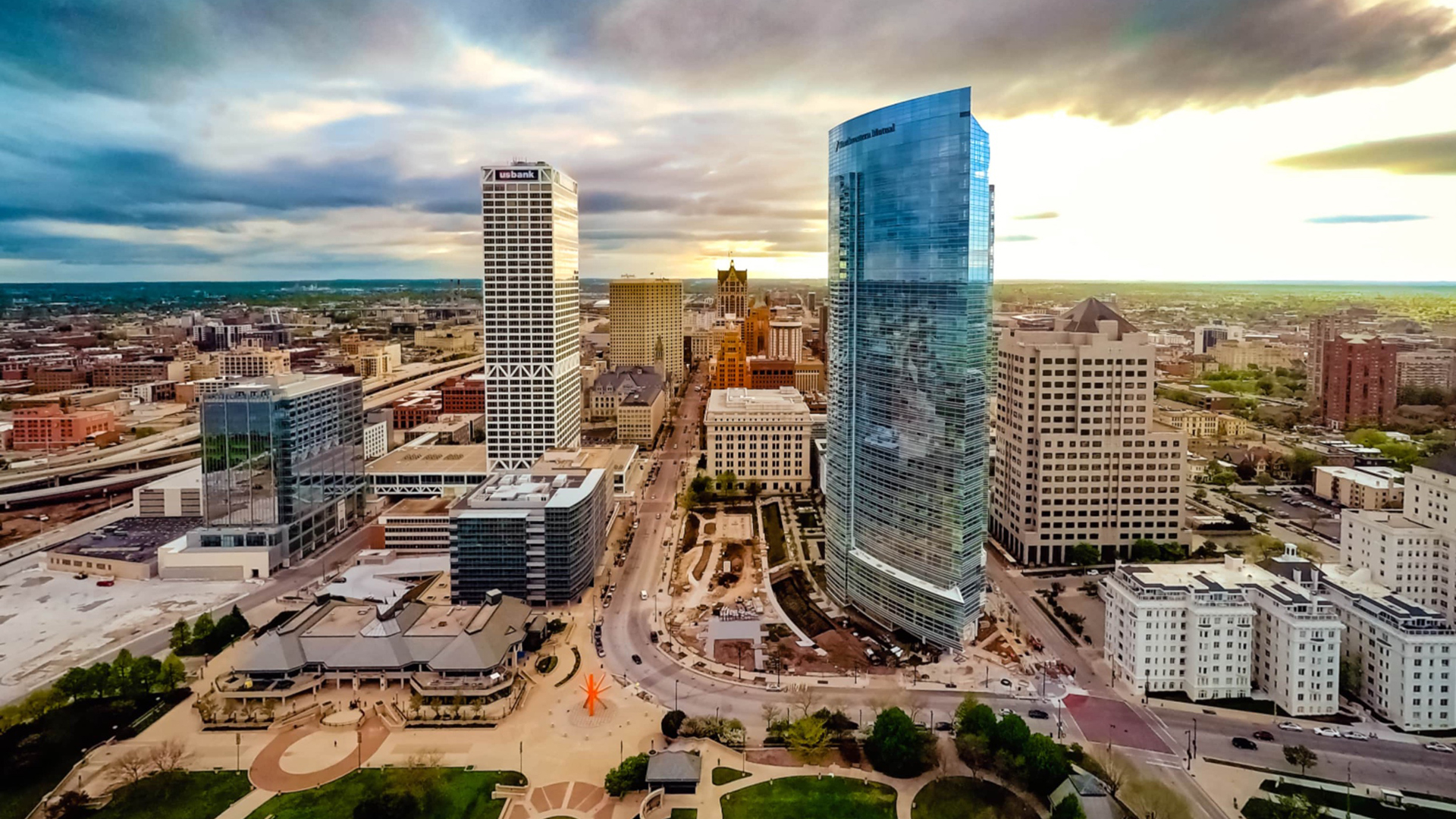
Commercial Roofing in Bay View, WI
Bay View mixes older storefronts along Kinnickinnic with light-industrial buildings near the lake, a stock where decades-old low-slope roofs and salt-laden lake air keep flashings and seams on the watch list.
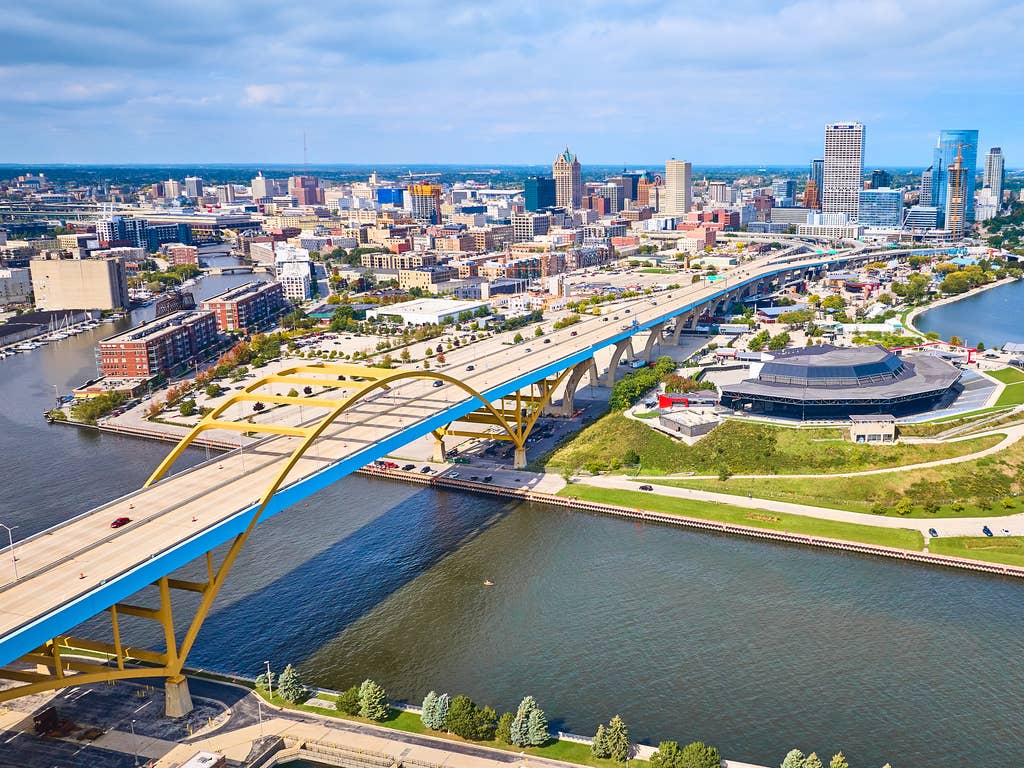
Commercial Roofing in Bayside, WI
Roofing for Bayside's offices and retail sits close enough to Lake Michigan that wind uplift and winter ice loading drive the inspection more than anything else.