
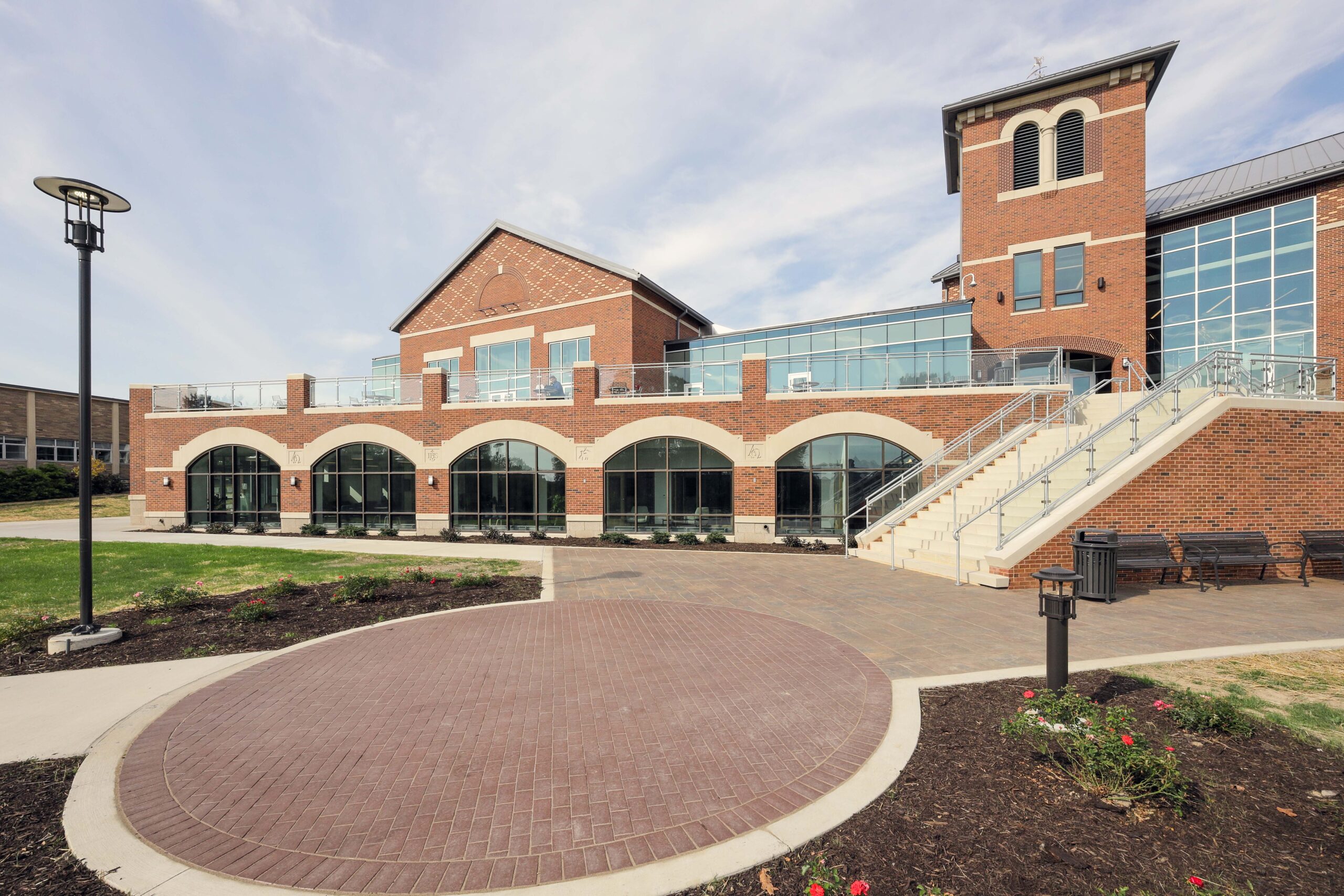
University and College Campus Roofing in Milwaukee, WI
Commercial roofing for university buildings, dormitories, academic halls, and college campuses throughout Milwaukee, WI.
Commercial roofing for universities, colleges, and higher education campuses.
The University of Wisconsin-Milwaukee — a Carnegie R1 research university with over 25,000 students on its 104-acre campus in Milwaukee's East Side neighborhood — manages one of Wisconsin's most complex university roofing portfolios. UWM's campus combines mid-20th century Brutalist and Modern architecture with recent sustainability-focused construction, and the university's position as a research institution with strong STEM and health sciences programs creates rooftop mechanical and technical requirements that go well beyond the standard academic building baseline.
Semester scheduling at UWM follows a semester calendar with a summer break from mid-May through late August that provides the primary window for major academic building roofing work. UWM's research enterprise — including the Freshwater Sciences building and the engineering research complex — maintains year-round laboratory operations in ways that make summer building vacancy an assumption that must be verified rather than presumed. UWM's facilities management team can provide building-level summer occupancy information that allows contractors to sequence projects around actual occupancy patterns, maximizing the productive use of the compressed Wisconsin construction season.
UWM's campus programs include the College of Nursing, the School of Public Health, and the Helen Bader School of Social Welfare — programs housed in buildings whose environmental control requirements differ from standard academic facilities. The UWM Health Sciences building's clinical simulation labs and the research environments in the School of Freshwater Sciences require rooftop mechanical system integrity and penetration performance standards that exceed what is adequate for classroom and administrative buildings. Contractors who do not recognize these distinctions create avoidable compliance problems for the facilities management team when they apply standard academic building specifications to research and health sciences buildings.
Historic buildings on the UWM campus include the Lapham Hall and Holton Hall, original Milwaukee-Normal School buildings that represent the institutional predecessor from which UWM grew, and several mid-century Modern buildings that reflect the campus's 1960s and 1970s expansion era. Wisconsin State Historic Preservation Office standards apply to restoration of the oldest and most historically significant UWM buildings. UWM's campus master plan has also identified the best examples of mid-century Modern architecture on campus as worthy of preservation, reflecting a growing recognition that post-war institutional architecture has its own historic significance that warrants careful treatment in renovation and restoration work.
LEED certification and sustainability goals at UWM are grounded in the University of Wisconsin System's sustainability framework and UWM's own Climate Action Plan, which sets interim greenhouse gas reduction targets and energy performance standards for the campus portfolio. New UWM buildings are designed to LEED Silver standards, and the university applies sustainable design principles to major renovation projects including cool roof specifications, above-code insulation consistent with climate zone 6 requirements, and low-VOC installation materials. Wisconsin's Focus on Energy program has funded multiple UWM roofing improvements, providing rebate funding that has enabled insulation upgrades beyond what straight replacement budgets would support.
Milwaukee's climate imposes demanding requirements on UWM's roofing portfolio. Lake Michigan's proximity creates lake-effect snowfall events that deposit heavy loads on flat and low-slope campus rooftops in short periods. Freeze-thaw cycling near the lake is more frequent than in inland Wisconsin locations, and the UWM campus's elevation above the lakeshore means that wind-driven rain and snow reach the campus at velocities that can challenge membrane perimeter details on older buildings. Contractors who understand Lake Michigan's amplifying effect on Milwaukee's already demanding climate specify systems, details, and inspection intervals calibrated for this specific microclimate rather than generic Wisconsin northern climate standards.
UWM's student housing system — including Sandburg Hall, the Cambridge Commons, and the Kenilworth Square apartments — operates on an occupancy calendar that includes significant summer housing for summer school students, international students, and students working in Milwaukee. Summer roofing work on UWM residence halls requires the same building-by-building occupancy confirmation needed for academic buildings, with particular attention to international student housing patterns that maintain occupancy in buildings that domestic students typically vacate for the summer.
UWM's Panther Arena and other athletics facilities present large-span, event-driven scheduling requirements for roofing projects that must be coordinated around the Horizon League athletics calendar as well as the academic year. Post-season windows in late spring and early summer provide the most practical opportunity for major athletics facility roofing work, and UWM's athletics department must be engaged as a project stakeholder alongside the main campus facilities management team when planning roofing projects on athletics venues.
UWM's role as an urban anchor institution in Milwaukee's East Side community creates an additional dimension of project management responsibility for roofing contractors. Construction activity that creates noise, dust, or visual disruption visible from the Milwaukee neighborhoods surrounding UWM's campus generates community feedback that the university takes seriously. Contractors who proactively manage community impact — maintaining clean job sites visible from public streets, minimizing after-hours work without prior notification, and communicating project timelines to adjacent neighborhood residents — support UWM's community relations priorities and reduce the facilities management team's administrative burden during active projects.
- Preventive Maintenance Programs
- Insulation Recovery Board
- Self Storage Roofing
- Commercial Reroofing
- Modified Bitumen Roofing
- Hail Damage Roof Restoration
- Auto Dealership Roofing
- TPO Single Ply Roofing
Share the roof address, current issue, photos if available, and any access limits. The response can be framed around inspection, repair, maintenance, coating review, or replacement planning.
Related roof pages
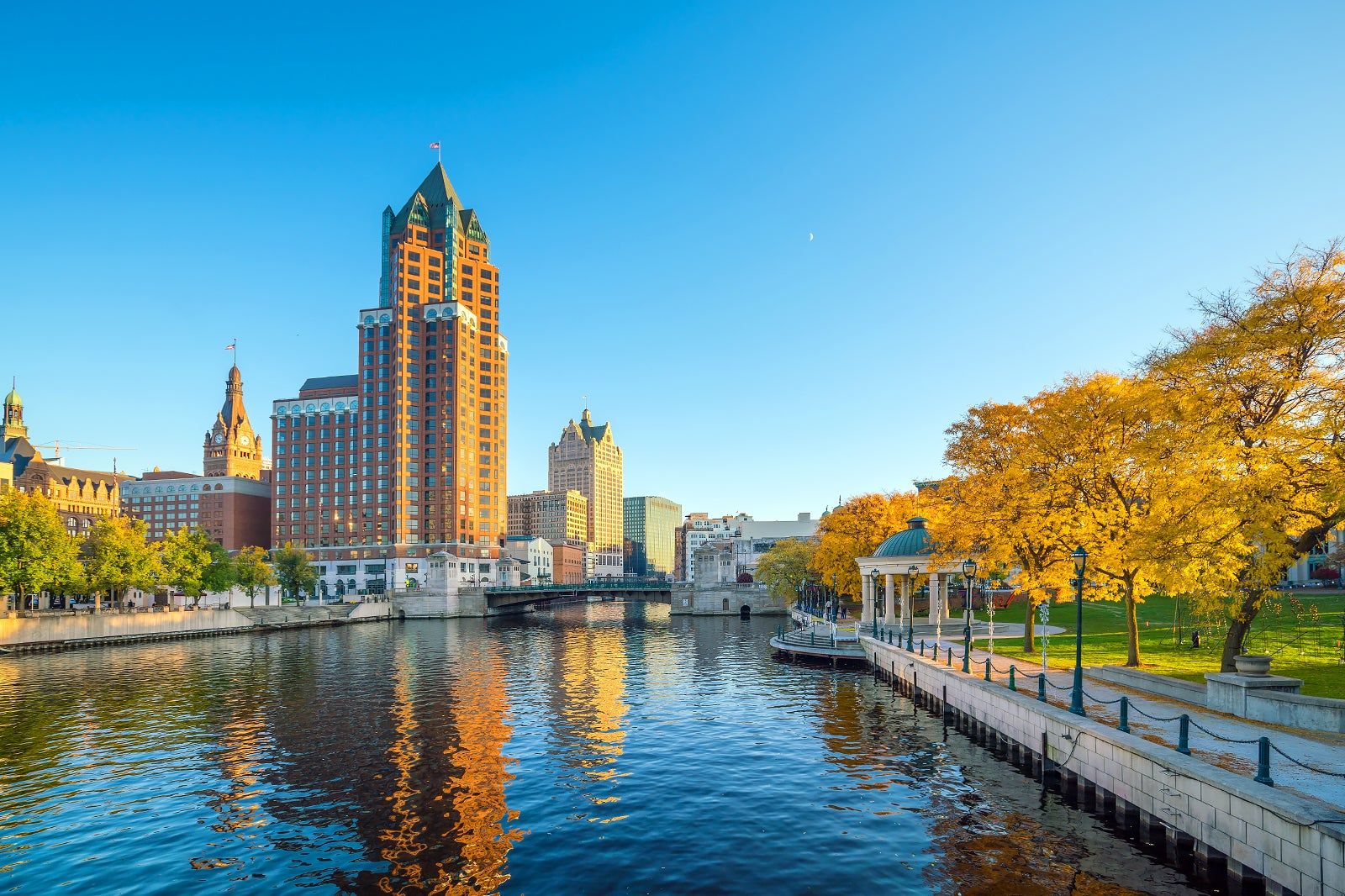
Commercial Roofing in Bayside, WI
Roofing for Bayside's offices and retail sits close enough to Lake Michigan that wind uplift and winter ice loading drive the inspection more than anything else.
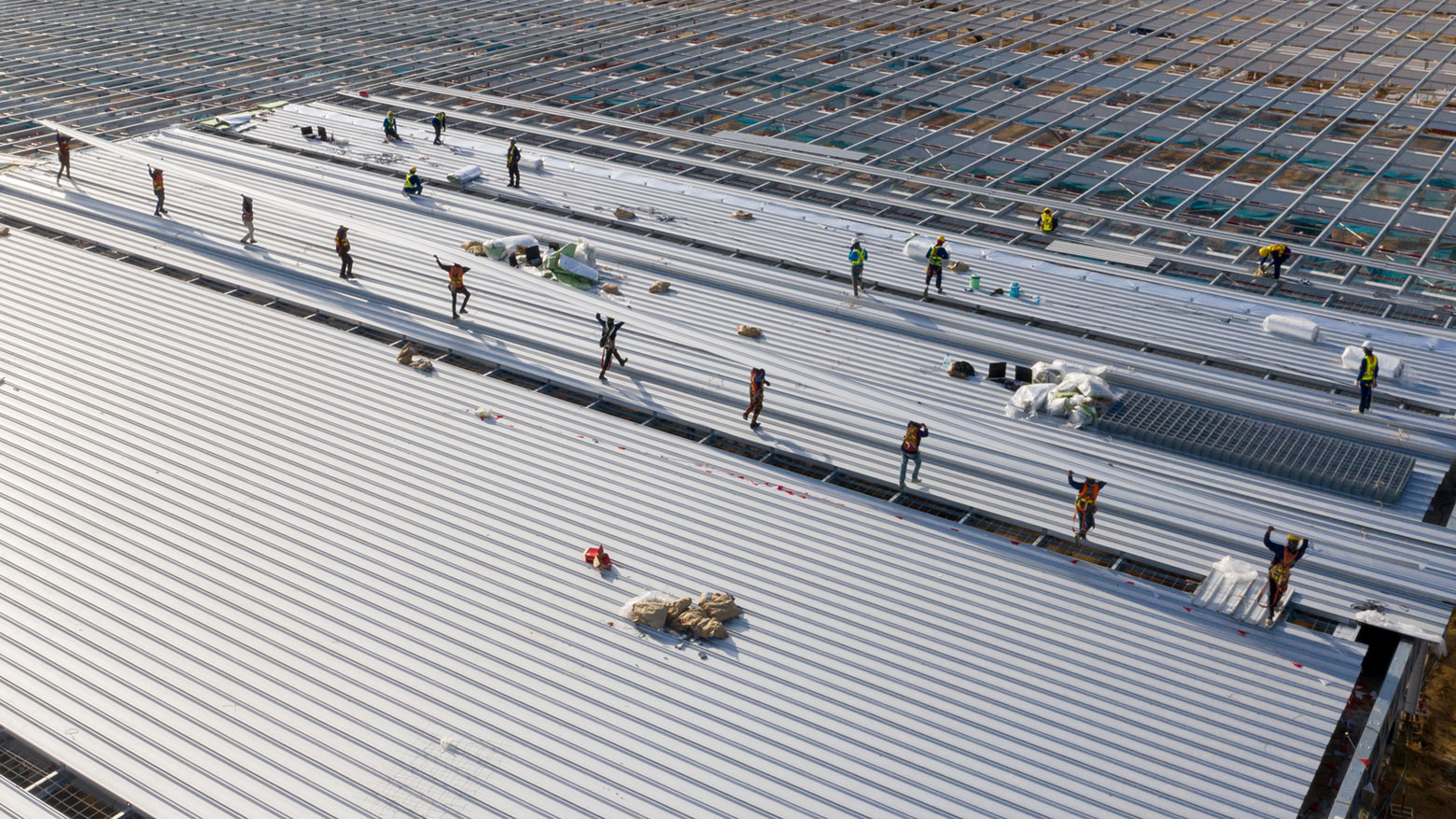
Architectural Sheet Metal in Milwaukee, WI
Custom copings, fascia, and edge metal fabricated to suit older Milwaukee facades and the wind coming off Lake Michigan, with profiles detailed so seams shed meltwater instead of trapping it.
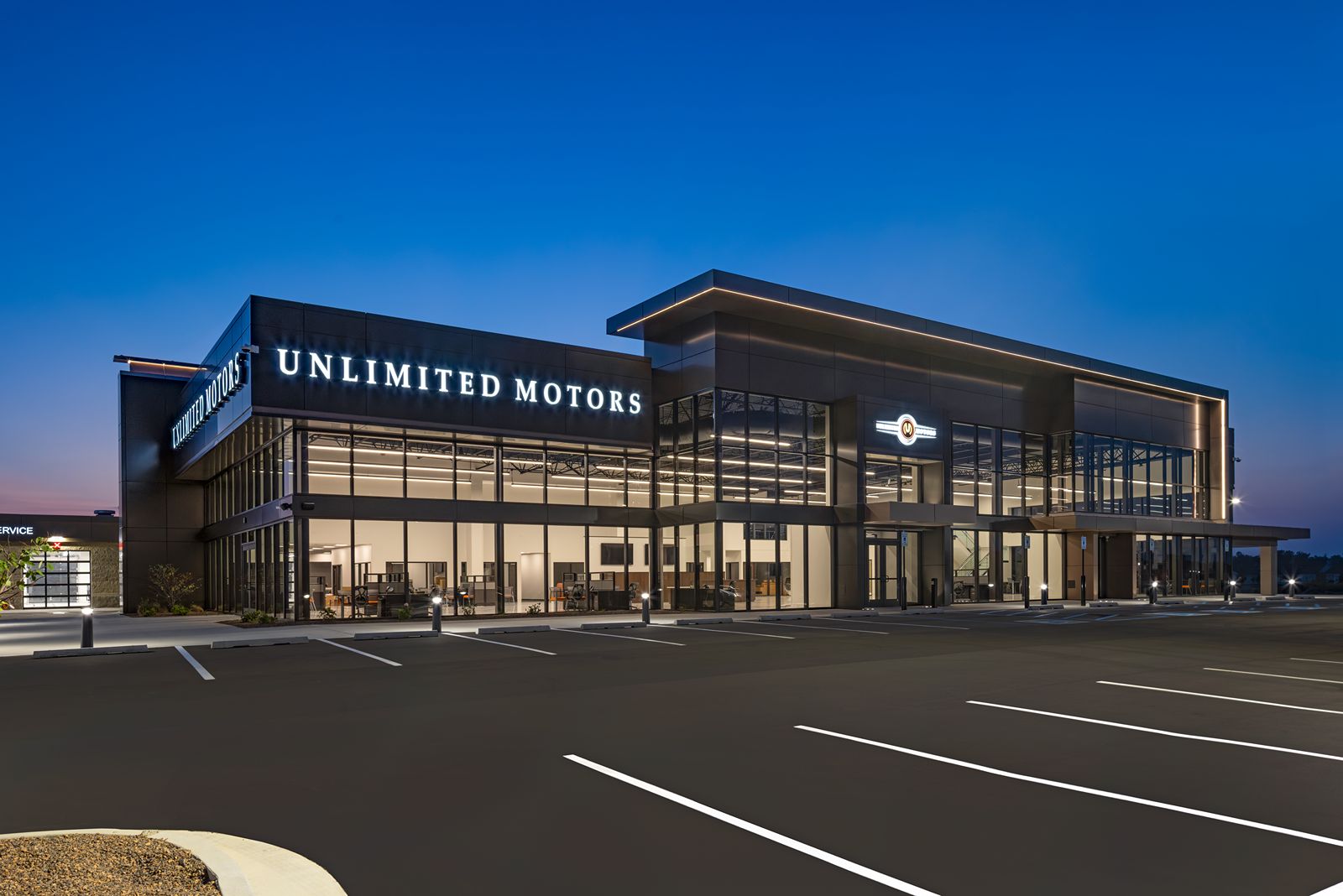
Auto Dealership Roofing in Milwaukee, WI
Showrooms and service bays stay open while the roof is addressed, which matters when a January thaw sends water over the sales floor at a busy Milwaukee dealership.
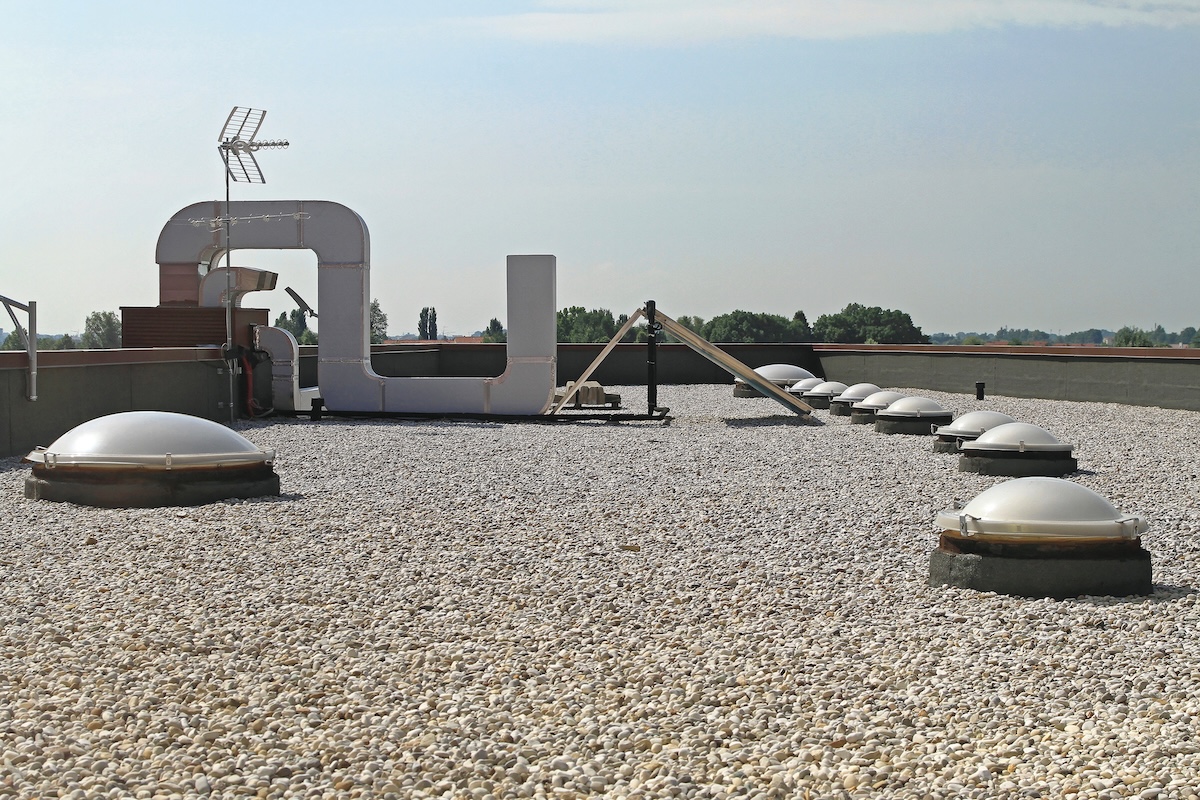
Built-Up Roofing in Milwaukee, WI
Many of Milwaukee's mid-century commercial blocks still wear gravel-surfaced BUR; we assess the ply count, blistering, and ponding before deciding between repair and a tear-off.