
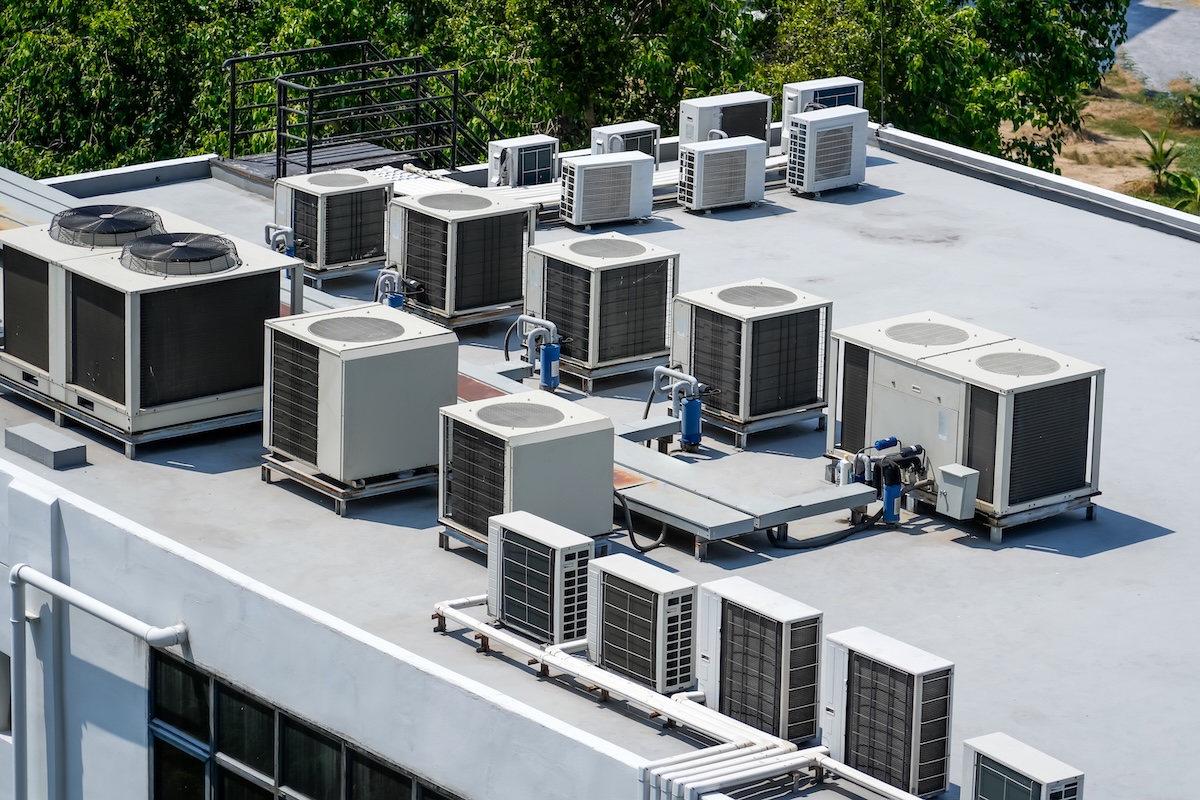
Office Building Roofing in Milwaukee, WI
Commercial roofing for Class A, B, and C office buildings, suburban office parks, and downtown towers throughout Milwaukee, WI.
Commercial roofing for office buildings, professional parks, and corporate campuses.
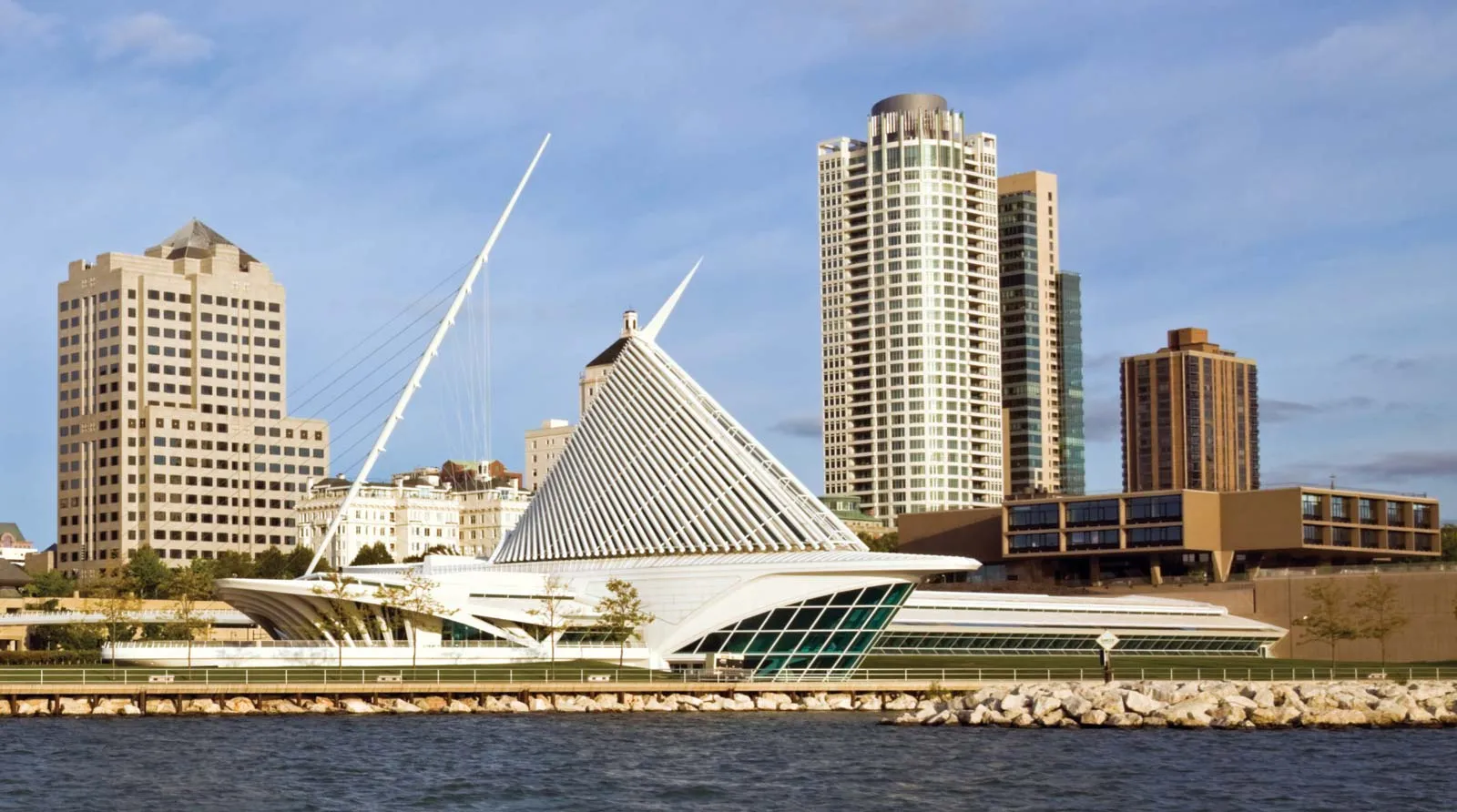
Northwestern Mutual Life Insurance Company's headquarters campus in downtown Milwaukee—a landmark urban complex that includes a historic neoclassical tower and a contemporary glass addition—defines the Class A office standard in Wisconsin's largest city. Northwestern Mutual's campus represents the complexity of multi-building corporate headquarters roofing: different structural systems, different roofing assemblies installed across different decades, and the occupied-building coordination demands of a company that employs thousands in its headquarters location and cannot tolerate disruption to its operations. Managing a re-roofing project on a campus of this caliber requires a contractor with both cold-climate technical expertise and Class A corporate campus project management experience.
Occupied building protocols in Milwaukee's cold climate add a winter-specific dimension to the standard coordination requirements. Work must stop when temperatures fall below the installation thresholds for the specified membrane system, and a partially completed building in the Milwaukee winter must be secured against an environment that can drop to -10°F overnight. Emergency weather response protocols—specifying exactly how the building will be made watertight when a weather hold is called—must be documented in the contract and verified at each work day's end from October through April. A contractor who does not have a written weather response procedure is not prepared for Milwaukee winter work.
HVAC coordination in Milwaukee office buildings involves both the summer cooling demand of a large corporate occupancy and the winter heating demand that is critical for nine months of the year. HVAC curb re-flashing work should be scheduled for the shoulder seasons—May-June and September—when neither heating nor cooling is at peak demand. Winter HVAC work, when unavoidable, must be scheduled for the warmest part of the day—typically 10 a.m. to 2 p.m.—with pre-staged materials and mechanical contractor on-site for immediate restart. Northwestern Mutual's campus, which includes data centers and critical financial services operations, has HVAC systems that cannot be interrupted without advance notice to the IT and facilities teams.
Green roof installations have found a receptive audience in Milwaukee's corporate sustainability community. Northwestern Mutual's ESG reporting, the Milwaukee Metropolitan Sewerage District's stormwater credit programs, and the city's strong tradition of environmental stewardship all support green roof adoption. Milwaukee's annual rainfall of about 33 inches supports green roof plantings in established systems, and the MMSD's stormwater credit program for qualifying on-site retention provides measurable annual financial value. Semi-intensive sedum and native Wisconsin prairie plantings are the standard specification for Milwaukee Class A office green roofs, and winter hardiness of the plant species is as important a selection criterion as aesthetic quality.
Wisconsin energy code requires R-30 minimum for low-slope commercial assemblies in Climate Zone 6A, and Milwaukee's approximately 7,000 annual heating degree days make the insulation specification the most impactful energy decision in the roofing assembly. A Class A office building upgrading from R-15 to R-30 during re-roofing captures meaningful annual heating cost savings, and upgrading to R-35 or R-38 costs modestly more but delivers a better long-term ROI for a building with a 20-year warranty period. We Energy offers commercial energy efficiency programs that include qualifying roof assembly insulation upgrades, and building owners should verify current program availability before finalizing specifications.
Lease obligations for Northwestern Mutual's single-tenant campus are primarily internal coordination requirements rather than multi-tenant lease compliance issues. But Milwaukee's multi-tenant office buildings—the city's downtown towers and East Side professional office buildings—face the full range of lease compliance considerations. Wisconsin commercial landlord-tenant law and the specific provisions of each tenant's lease govern the notification, coordination, and remedy framework for re-roofing work. Building owners of multi-tenant Milwaukee office buildings should consult with Wisconsin real estate counsel before scheduling any re-roofing project.
Historic building considerations apply to several Class A Milwaukee office properties, particularly the downtown structures built between 1890 and 1940. Northwestern Mutual's historic tower, along with other downtown landmarks, requires roofing contractors with experience in historic preservation contexts. Masonry parapet inspection and repointing, integration of new membrane with existing historic counterflashing channels, and compatibility of new materials with the historic fabric of the building require specialized knowledge. The Wisconsin Historic Preservation Office should be consulted if the building is listed or eligible for the National Register, as alterations may require review under Section 106 of the National Historic Preservation Act.
Contractor selection for Milwaukee Class A office building roofing should prioritize firms with documented cold-climate commercial campus experience. The Milwaukee contractor market includes strong regional firms that have worked on the Northwestern Mutual, Rockwell Automation, and other major Milwaukee corporate campuses. These firms understand cold-weather protocols, HVAC coordination complexity, and the management oversight that Class A corporate clients expect. Manufacturer certification for the proposed membrane system, demonstrated cold-weather installation references, and a project manager with Class A office experience are the baseline qualifications.
Cost benchmarks for Milwaukee Class A office building roofing run from $13–$18 per square foot for standard EPDM or cold-climate TPO with R-30 polyiso, to $19–$27 per square foot for complex multi-building campus work with significant HVAC coordination and historic building integration. Green roof semi-intensive additions run $21–$33 per square foot in Milwaukee, where winter hardiness requirements for plant species add specification cost but rainfall adequacy reduces irrigation infrastructure requirements. We Energy rebates for qualifying insulation upgrades offset $0.10–$0.20 per square foot of project cost in qualifying program years.
- Roof Coatings Restoration
- Hail Damage Roof Restoration
- Architectural Sheet Metal
- Healthcare Facility Roofing
- Solar Roof Integration
- Standing Seam Metal Roofing
- Cool Roof Installation
- University Campus Roofing
Share the roof address, current issue, photos if available, and any access limits. The response can be framed around inspection, repair, maintenance, coating review, or replacement planning.
Related roof pages
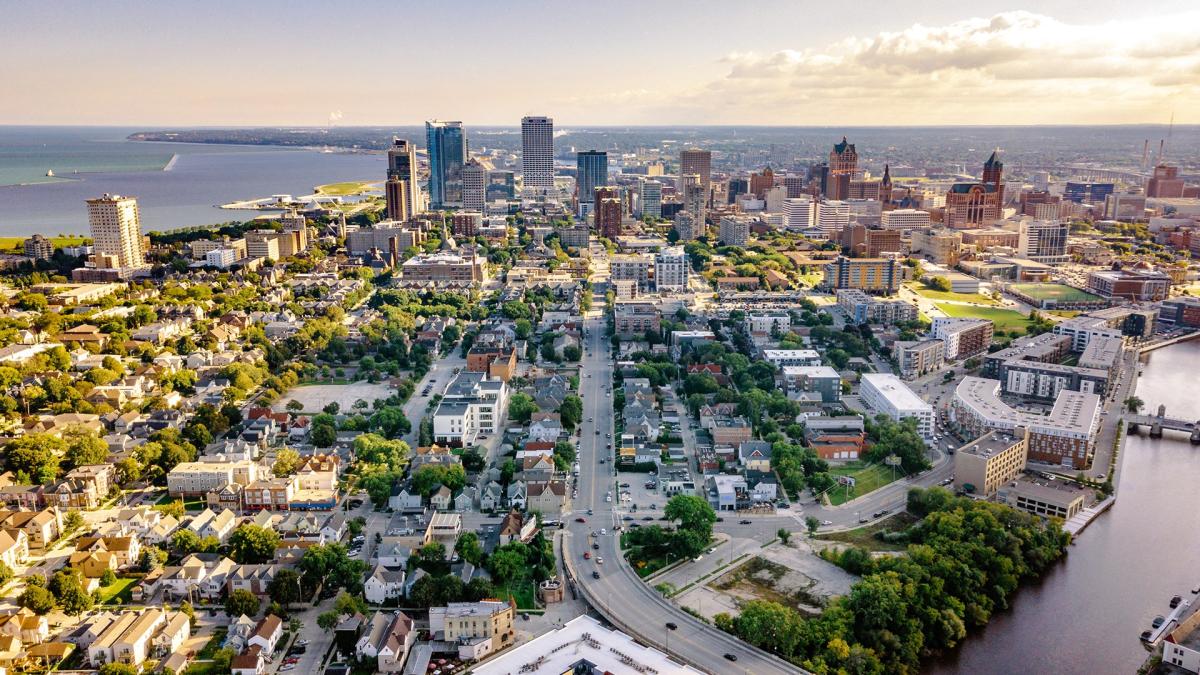
Commercial Roofing in Bay View, WI
Bay View mixes older storefronts along Kinnickinnic with light-industrial buildings near the lake, a stock where decades-old low-slope roofs and salt-laden lake air keep flashings and seams on the watch list.
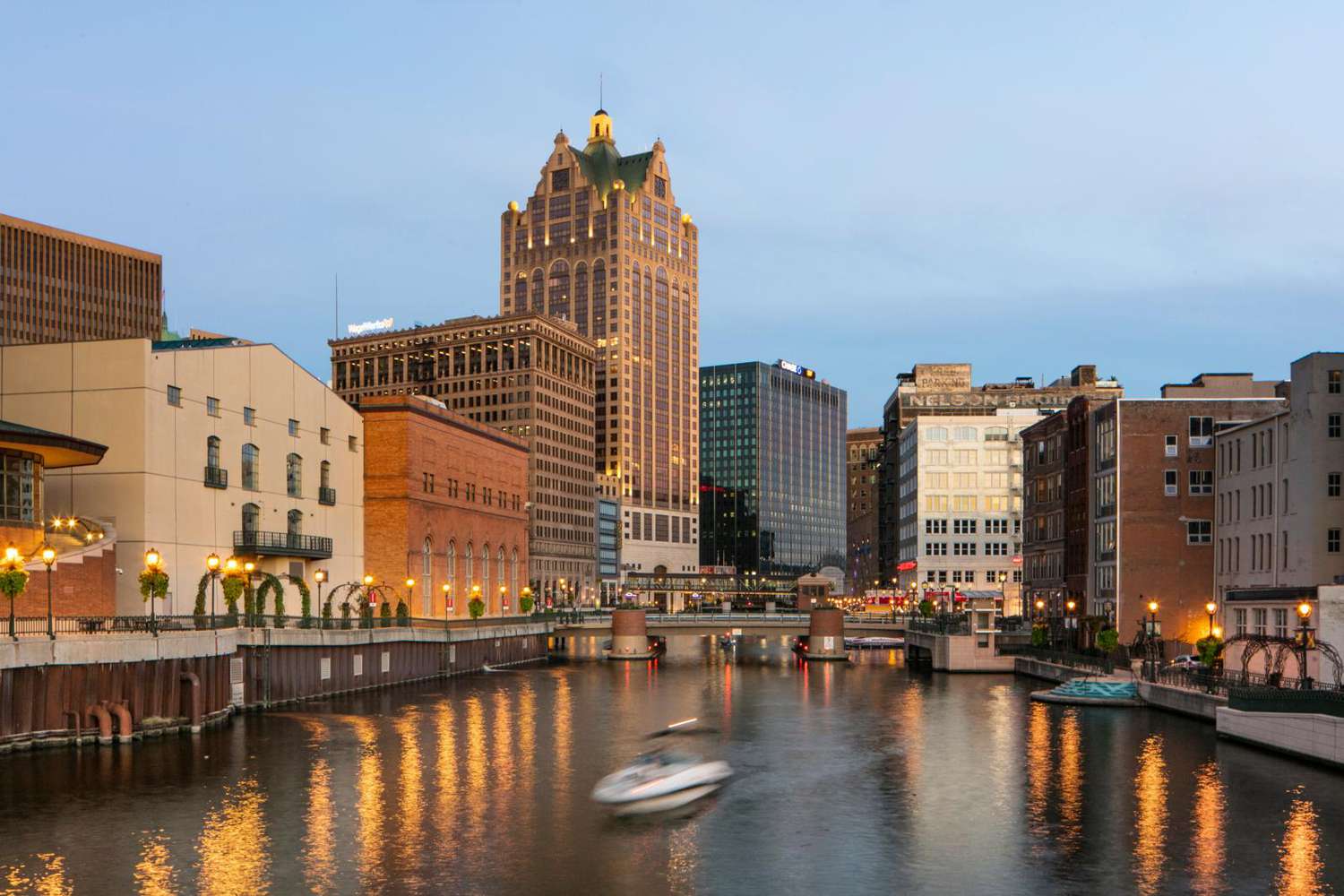
Commercial Roofing in Bayside, WI
Roofing for Bayside's offices and retail sits close enough to Lake Michigan that wind uplift and winter ice loading drive the inspection more than anything else.
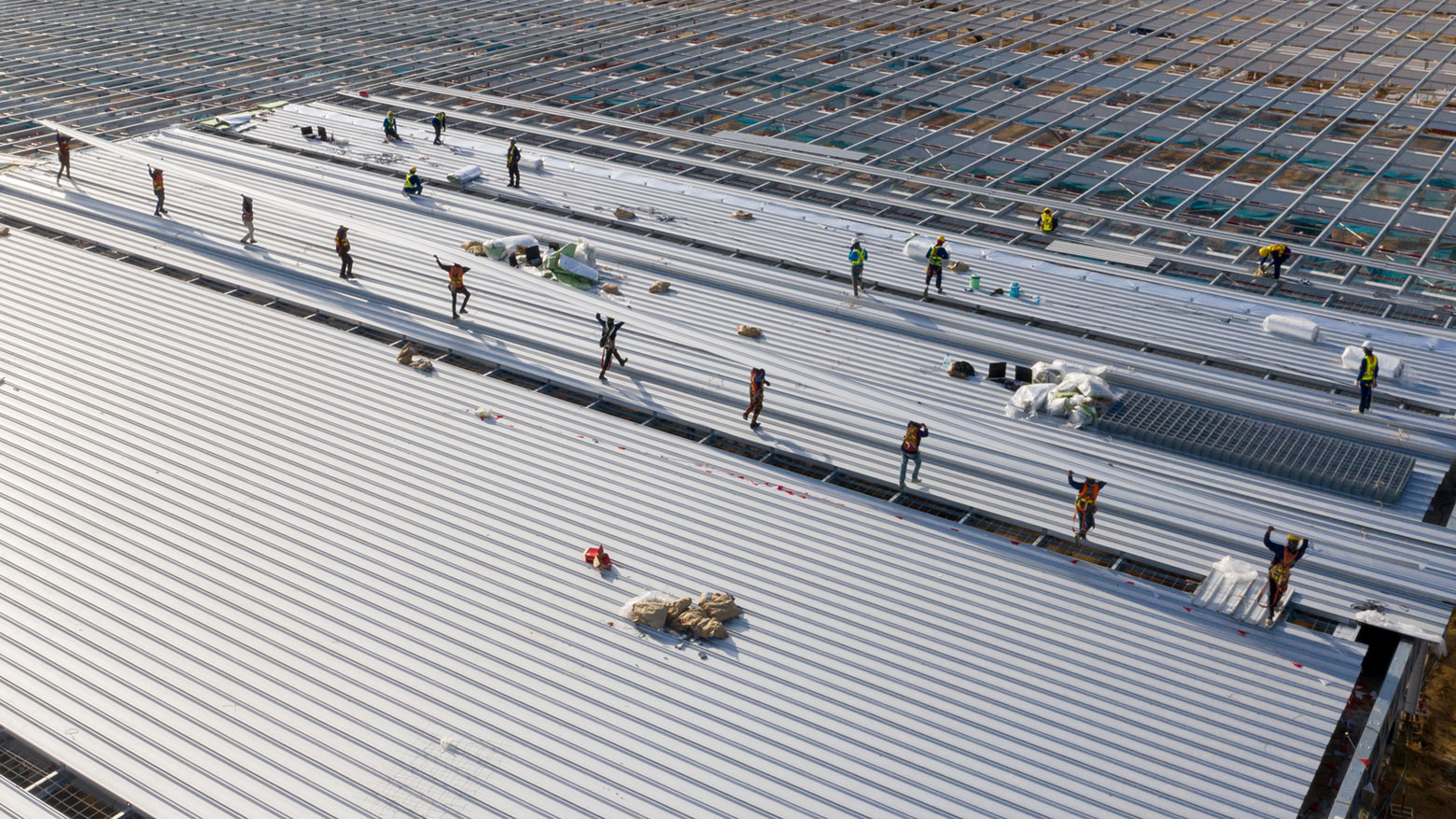
Architectural Sheet Metal in Milwaukee, WI
Custom copings, fascia, and edge metal fabricated to suit older Milwaukee facades and the wind coming off Lake Michigan, with profiles detailed so seams shed meltwater instead of trapping it.
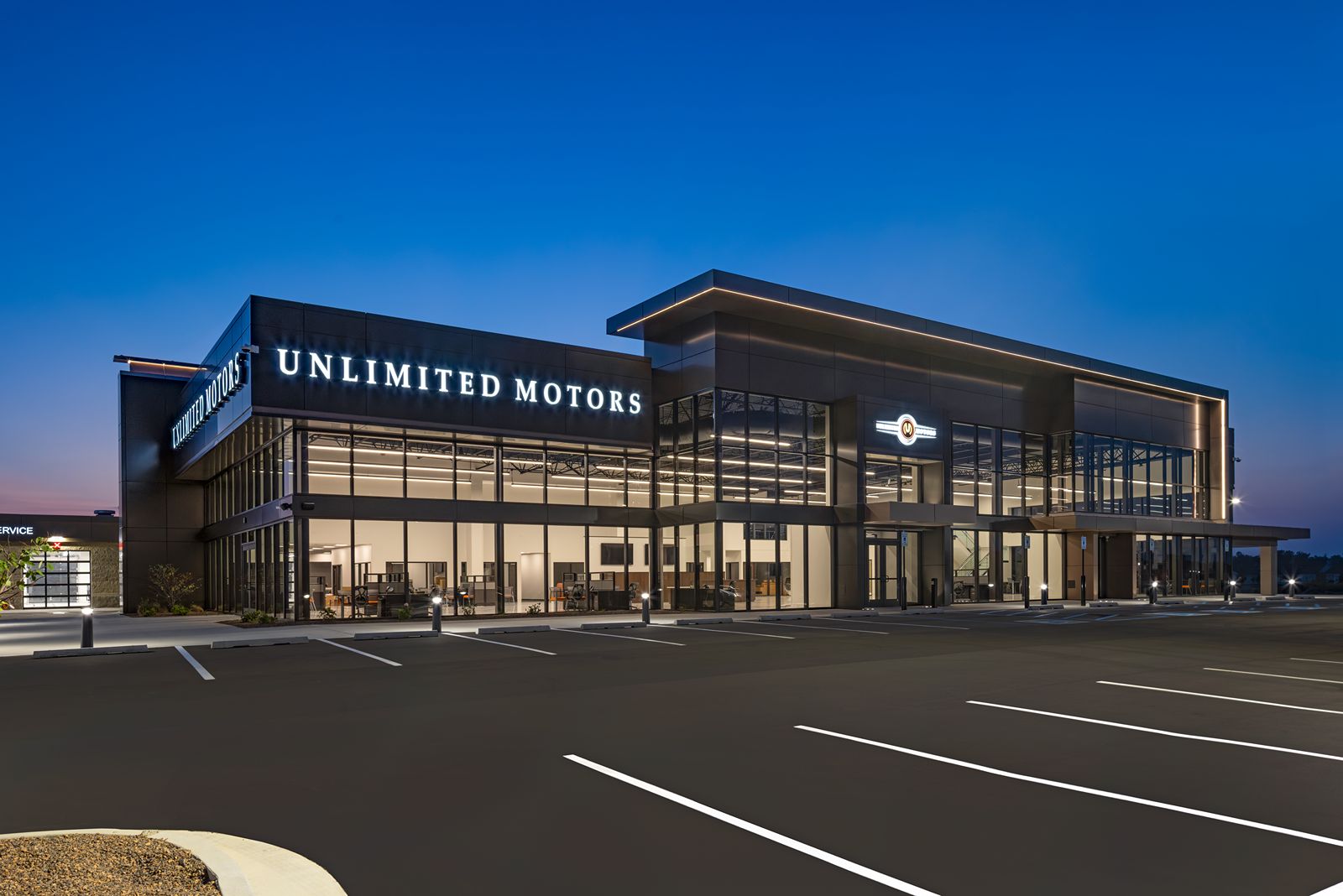
Auto Dealership Roofing in Milwaukee, WI
Showrooms and service bays stay open while the roof is addressed, which matters when a January thaw sends water over the sales floor at a busy Milwaukee dealership.