
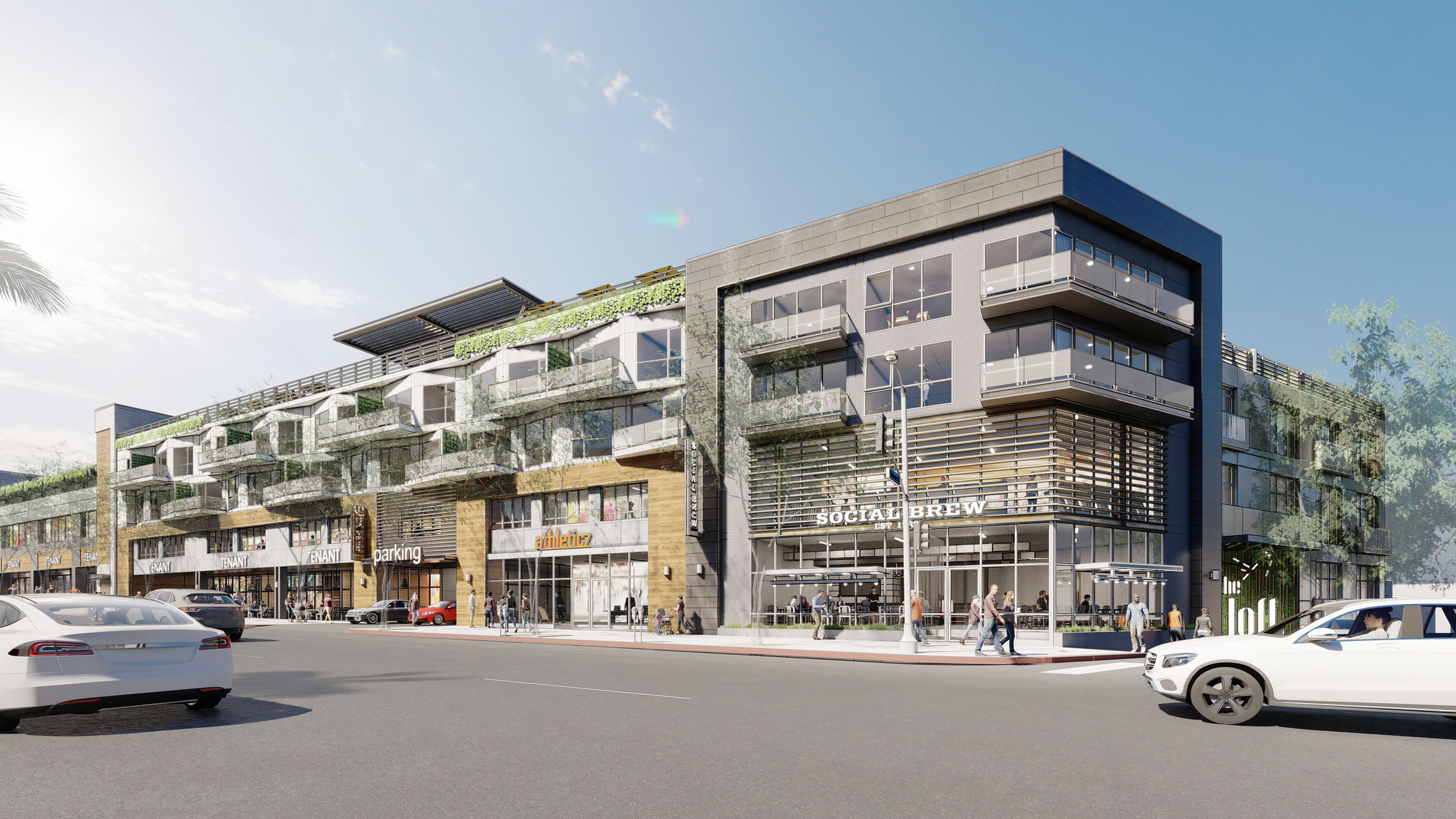
Mixed-Use Development Roofing in Milwaukee, WI
Commercial roofing for mixed-use buildings, urban infill developments, and live-work-play properties throughout Milwaukee, WI.
Commercial roofing for mixed-use developments, urban infill projects, and live-work-play buildings.
Milwaukee's Historic Third Ward, Walker's Point, and the Reed Street Yards development area have driven a meaningful wave of mixed-use construction over the past several years, with projects stacking residential lofts and office suites above ground-floor breweries, restaurants, and retail along North Milwaukee Street and South 5th Street. Lake Michigan's proximity defines the city's climate in ways that matter directly to roofing: cold-season lake-effect snow events, high winter wind speeds off the water, and summer humidity that can hold moisture in roofing assemblies long after a rainfall event. Specifying a roof for a Milwaukee mixed-use building means accounting for all three simultaneously.
Snow load and ice dam formation are the primary cold-weather concerns on Milwaukee mixed-use roofs. Lake-effect events can deposit 12 to 18 inches of wet, dense snow in a short period, and on a flat or low-slope commercial roof, that load accumulates faster than it drains. Structural engineers typically size Milwaukee roofs for 30 to 35 pounds per square foot of snow load, but on mixed-use buildings where the roof also carries rooftop HVAC equipment, elevated screen walls, or amenity deck furniture, those live loads stack on top of the snow load and must be accounted for in the deck's design. Drains must be heat-traced to prevent ice blockage that turns a managed snow load into an unmanaged ponding load as temperatures fluctuate.
The Third Ward's adaptive reuse projects—converting former warehouse buildings into ground-floor restaurants with upper residential units—create a specific waterproofing challenge at the transition between existing masonry walls and new roofing assemblies. Parapet walls on century-old brick buildings frequently show signs of freeze-thaw spalling, efflorescence, and failed mortar joints that, if not remediated before new roofing is applied, will continue to pass water behind the flashing terminations regardless of membrane quality. A thorough masonry evaluation and repair program preceding the roofing scope is not optional on these projects; it is the foundation on which the rest of the assembly performs.
Energy code compliance is a significant driver of roofing specification decisions in Wisconsin, which has adopted ASHVRAE 90.1 minimum R-values that require substantially more insulation on commercial and mixed-use buildings than was standard practice a decade ago. On a Milwaukee mixed-use building with a concrete structural deck over the retail level, achieving the required assembly R-value while maintaining adequate roof slope and keeping the total assembly height compatible with the parapet height often requires a combination of polyisocyanurate insulation and a tapered crickets system. Getting this right in design eliminates the costly change orders that arise when a 4-inch insulation specification conflicts with a parapet that was designed for a 2-inch system.
Rooftop amenity decks in Milwaukee mixed-use buildings serve residents who use them throughout the warmer months but abandon them during winter. This seasonal occupancy pattern means the waterproofing system beneath the deck must survive freeze-thaw cycling of pedestal paver systems, accumulation of ice at drain locations, and the thermal shock that occurs when March sun heats the dark membrane field while air temperatures remain below freezing. A protected membrane assembly—with the waterproofing layer beneath the insulation—manages this thermal exposure far better than an exposed membrane system, and is the standard recommendation for Milwaukee rooftop deck projects.
Green roofs on Milwaukee mixed-use buildings have gained traction because the city's combined sewer system has historically struggled with overflow events during heavy rain. The Metropolitan Milwaukee Sewerage District has offered incentive programs for stormwater-retaining rooftop installations, which makes vegetated roofs financially viable on projects where the ecological argument alone might not justify the premium. The growing medium specification for Milwaukee green roofs must account for freeze-thaw effects: medium with high fines content can become compacted or heaved after repeated freeze cycles, which reduces plant establishment and can shift the weight distribution on the membrane below.
Fire-rated assembly requirements on Milwaukee mixed-use buildings follow Wisconsin's IBC adoption, with occupancy separation requirements that extend through the roof deck. Inspectors with the Milwaukee Department of Neighborhood Services have become more attentive to rooftop penetration compliance as the city's mixed-use building stock has grown, particularly for kitchen exhaust systems from restaurant tenants that require UL-listed clearance details at the roof level. Restaurant exhaust curbs must maintain the fire-rated plane of the deck assembly, and grease accumulation in the exhaust curb area must be addressed in the maintenance plan to prevent fire risk at one of the most exposed points in the building envelope.
Multi-level rooflines are a defining visual element of Milwaukee's new mixed-use architecture, with step-backs, mechanical penthouses, and rooftop bar structures creating multiple roof elevations on a single building. Each elevation change is a flashing opportunity—and a flashing failure risk. Counter-flashing terminations in masonry walls must be set into reglets with sealant that remains flexible at Milwaukee's winter temperatures. Standard silicone sealants remain workable at low temperatures, but some polyurethane products used in the industry can become brittle and crack in sub-zero conditions, a failure mode that shows up the following spring as a water infiltration pattern at every counter-flashing termination on the building.
Long-term maintenance on Milwaukee mixed-use roofs benefits from the city's well-developed commercial roofing contractor base, which includes several firms with specific experience on historic adaptive reuse and new mixed-use construction. Annual inspections before winter that check heat trace function on drains, flashing integrity at parapet walls, and membrane condition at equipment curbs are the minimum program. Buildings with rooftop amenity decks should add a post-season inspection in late fall to assess paver conditions and identify any membrane movement before freeze-thaw cycling magnifies small issues into significant infiltration problems.
- Roof Inspection Condition Report
- Roof Drains Scuppers
- Auto Dealership Roofing
- Government Building Roofing
- KEE Single Ply Roofing
- Storm Damage Roof Repair
- Manufacturing Facility Roofing
- Preventive Roof Maintenance
Share the roof address, current issue, photos if available, and any access limits. The response can be framed around inspection, repair, maintenance, coating review, or replacement planning.
Related roof pages
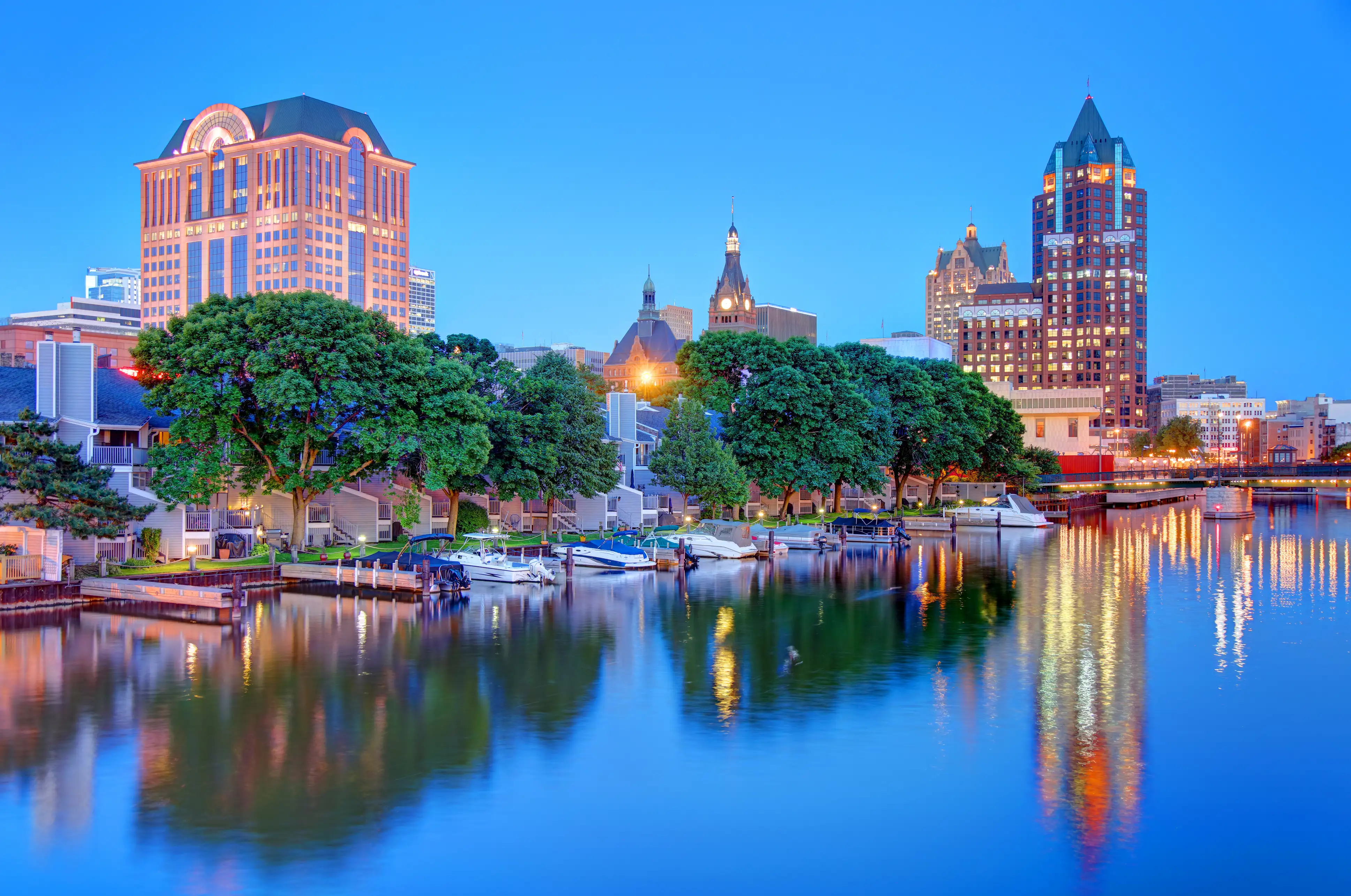
Commercial Roofing in Bay View, WI
Bay View mixes older storefronts along Kinnickinnic with light-industrial buildings near the lake, a stock where decades-old low-slope roofs and salt-laden lake air keep flashings and seams on the watch list.
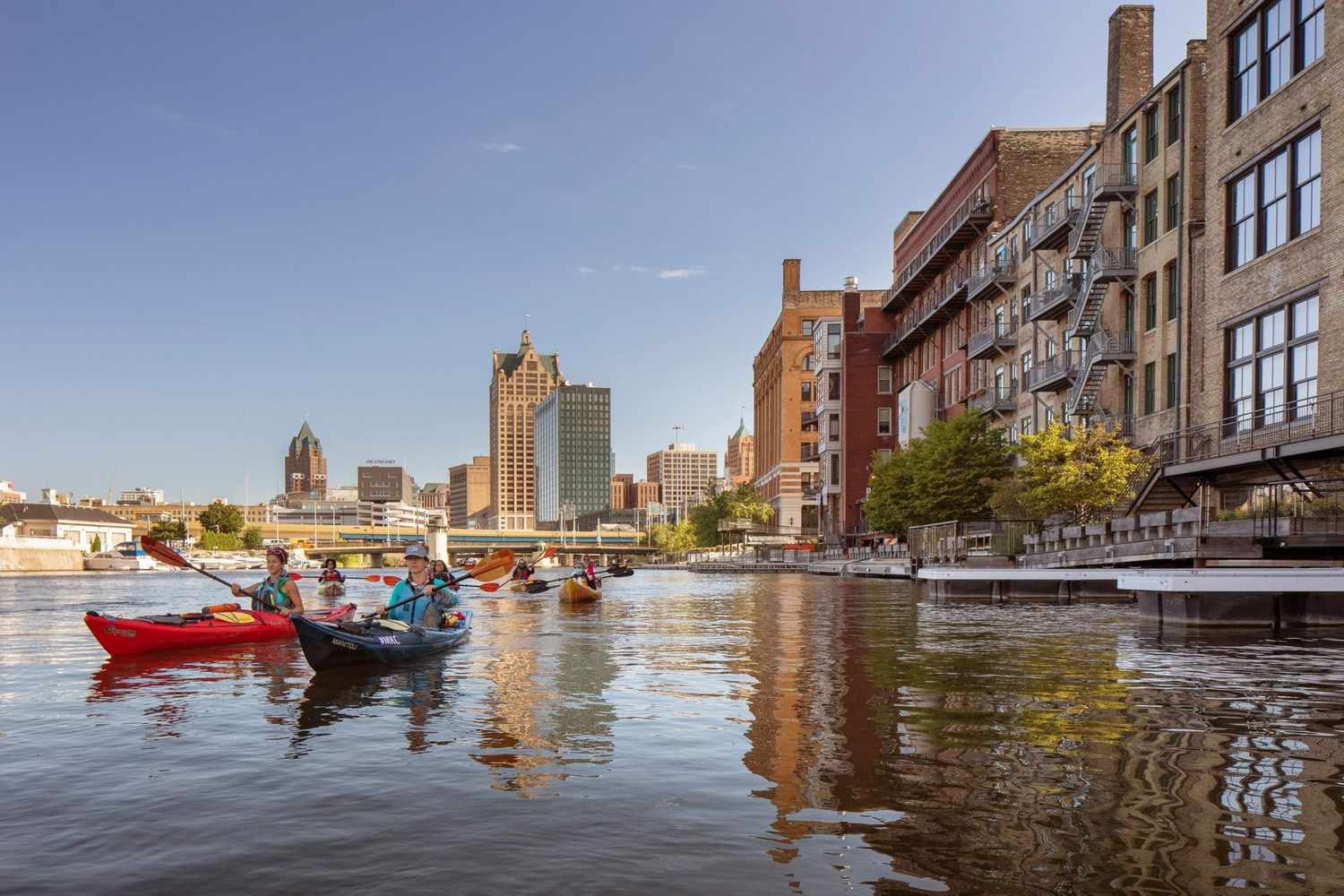
Commercial Roofing in Bayside, WI
Roofing for Bayside's offices and retail sits close enough to Lake Michigan that wind uplift and winter ice loading drive the inspection more than anything else.
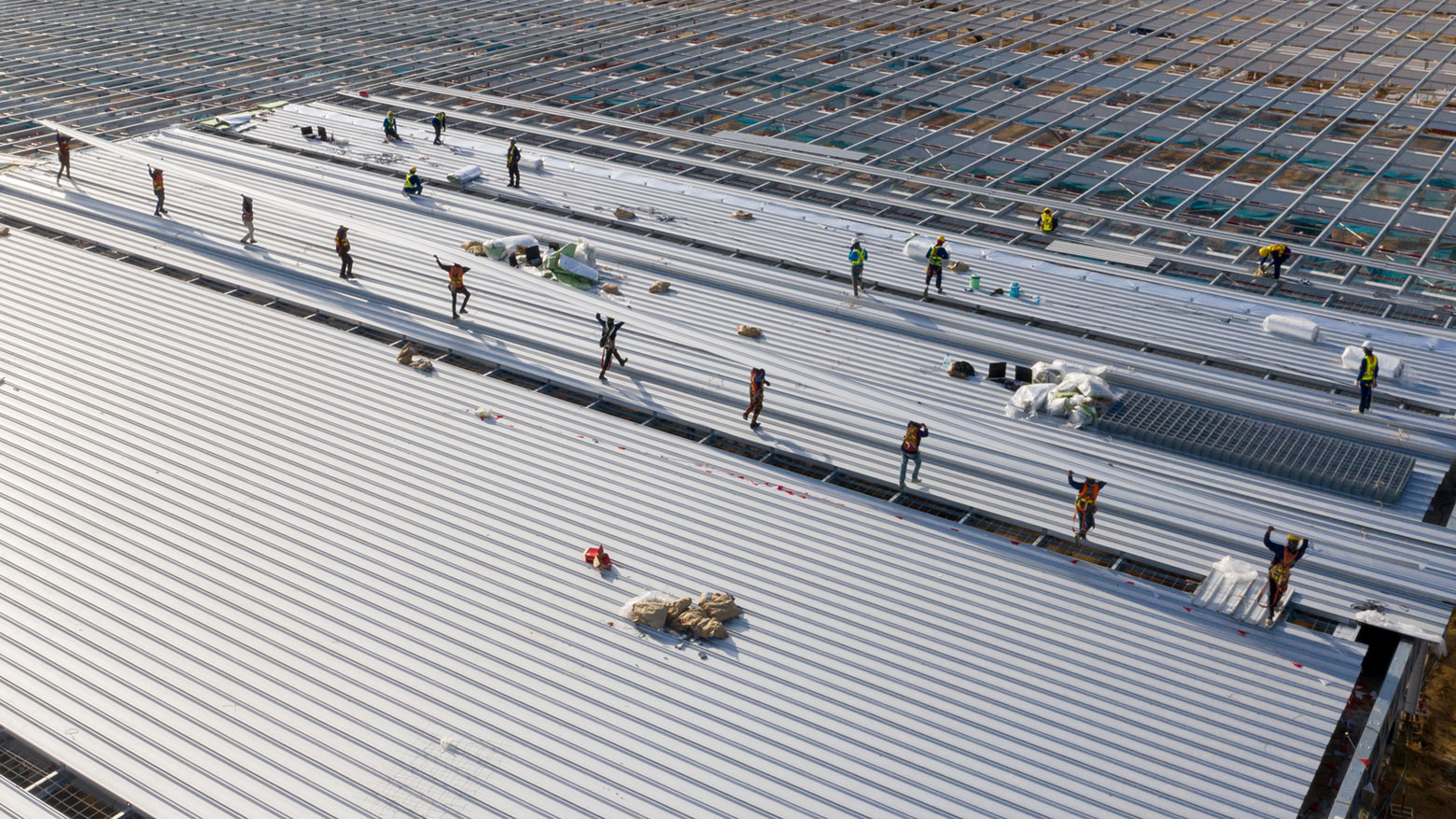
Architectural Sheet Metal in Milwaukee, WI
Custom copings, fascia, and edge metal fabricated to suit older Milwaukee facades and the wind coming off Lake Michigan, with profiles detailed so seams shed meltwater instead of trapping it.
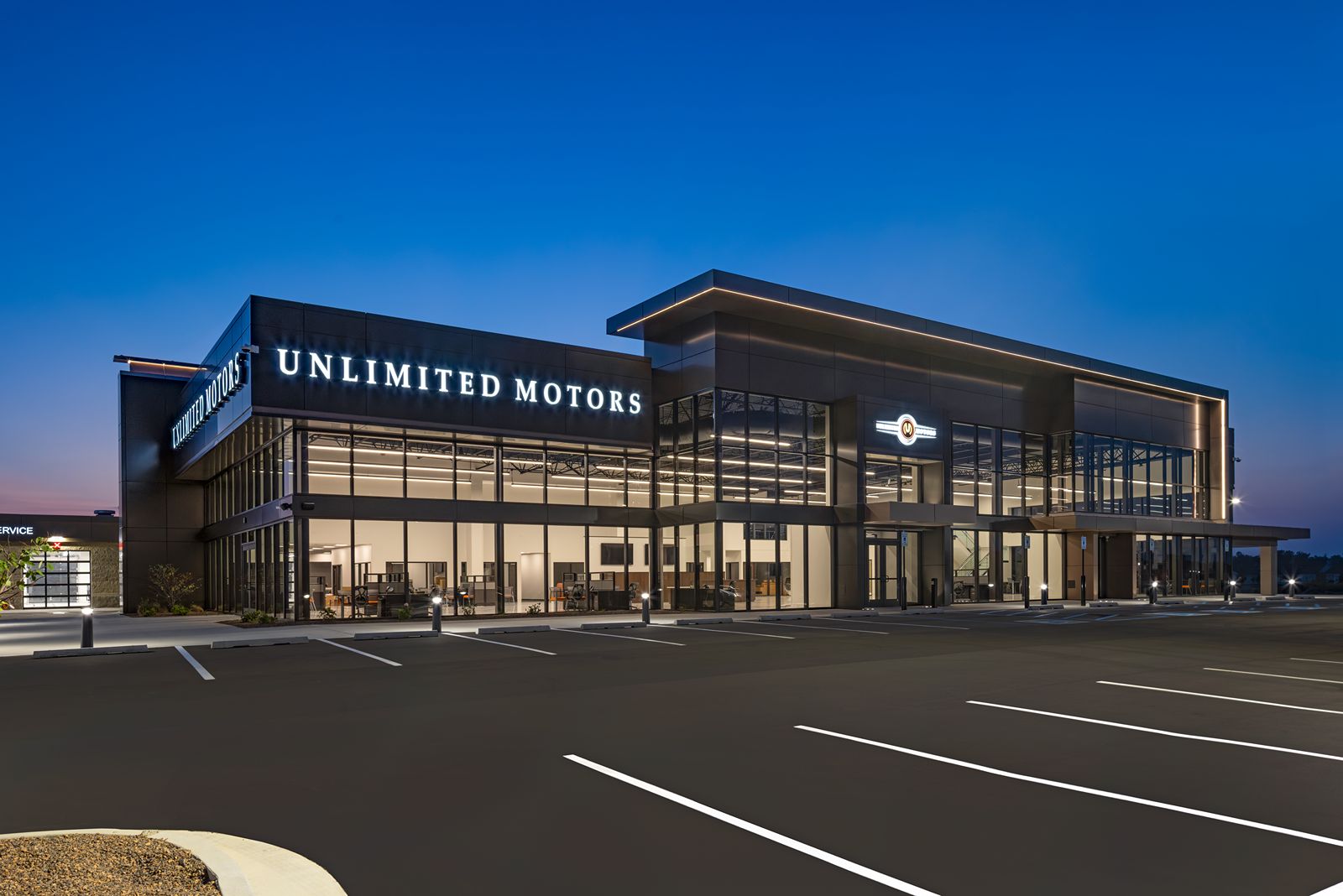
Auto Dealership Roofing in Milwaukee, WI
Showrooms and service bays stay open while the roof is addressed, which matters when a January thaw sends water over the sales floor at a busy Milwaukee dealership.