
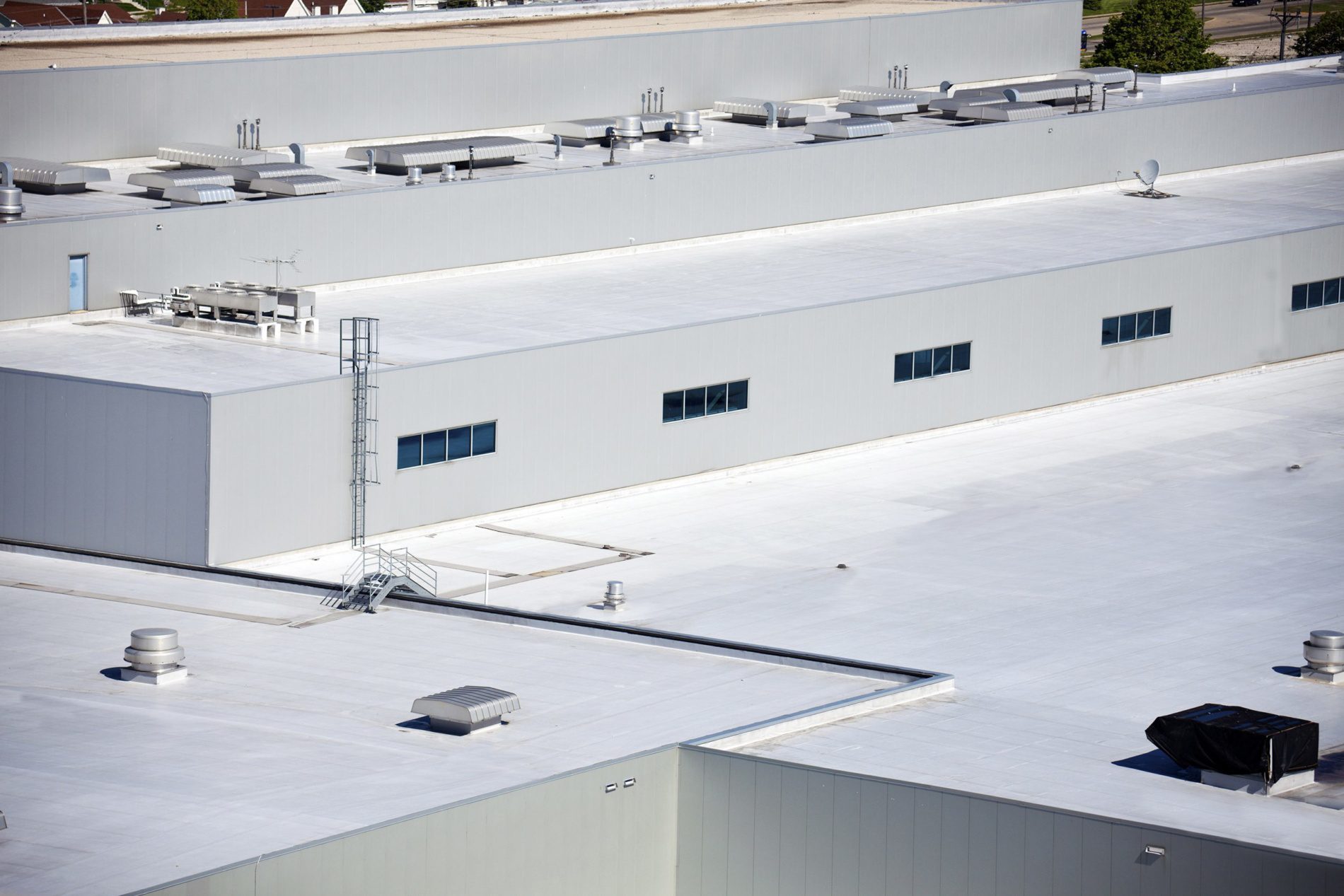
Manufacturing Facility Roofing in Milwaukee, WI
Commercial roofing for manufacturing plants, assembly facilities, and industrial buildings throughout Milwaukee, WI.
Commercial roofing for manufacturing plants, production facilities, and industrial buildings.
Harley-Davidson's Milwaukee manufacturing campus — including the Menomonee Valley powertrain facility and the Capitol Drive engine plant — and Briggs & Stratton's long-established small engine manufacturing operations define Milwaukee's industrial roofing market at its most demanding. These iconic manufacturers, along with Rockwell Automation's production and R&D facilities, Johnson Controls' industrial operations, and the network of precision metal fabricators and industrial equipment manufacturers spread across Milwaukee's industrial corridors, create a roofing demand base that combines old-building complexity with heavy manufacturing process requirements.
Process equipment at Harley-Davidson's Milwaukee plants reflects the intensity of powertrain and engine manufacturing. Paint system exhaust stacks, heat treatment ventilation systems, machining center coolant mist collectors, and the heavy HVAC loads required to condition assembly and engine test areas all compete for rooftop real estate on buildings that have been modified and expanded multiple times since their original construction. Contractors assigned to Harley-Davidson roofing work must survey existing rooftop conditions thoroughly, documenting equipment locations, existing penetration flashings, and drain locations before developing work plans that coordinate with the plant's detailed production schedules.
Chemical fume exposure at Milwaukee's engine and powertrain manufacturing facilities creates membrane selection requirements that differ from lighter manufacturing environments. Metalworking fluids, phosphate coating solutions, paint solvents, and heat treatment atmosphere gases all contribute to the rooftop chemical environment at facilities like Harley-Davidson's powertrain plant and Briggs & Stratton's engine manufacturing operations. Contractors experienced in heavy manufacturing environments specify modified bitumen with aluminum cap sheets or chemically resistant TPO formulations at areas downwind of process exhaust points, and include chemical exposure documentation in warranty submittals to avoid disputes about causation if membrane degradation occurs.
Vibration from Milwaukee's heavy engine and machining manufacturing operations is a defining challenge on these rooftops. Balancing machines, valve train assembly lines, crankshaft grinding equipment, and engine test dynamometers all produce vibration signatures that propagate through the building structure. Contractors conducting rooftop vibration assessments at Milwaukee heavy manufacturing plants frequently measure low-frequency vibration levels that require engineering analysis to confirm that standard mechanically attached membrane fastening patterns provide adequate fatigue resistance over the expected membrane service life.
Skylights on Milwaukee's older manufacturing buildings often require replacement as part of larger roofing projects, since the factory skylights installed on many buildings in the 20th century have reached the end of their functional service lives. Replacing skylights on occupied manufacturing buildings in Milwaukee requires crane access to the roof, coordination with production supervisors to ensure that crane swing paths do not conflict with production equipment, and weather monitoring to ensure that the period when the existing skylight has been removed and the new unit not yet installed is bridged without rain risk. Milwaukee's compressed warm-weather installation season makes this weather coordination particularly important.
Schedule coordination at Milwaukee's heavy manufacturing plants requires building relationships with plant-level facilities managers who have direct authority to approve work phases and communicate with production supervisors. At facilities like Harley-Davidson's Capitol Drive plant, which operates on union agreements that include provisions for maintenance work scheduling, contractors must understand the labor relations context as well as the production calendar. Roofing work that triggers grievances or contract compliance questions can be halted mid-project, creating both direct costs and the waterproofing risk of an open, partially completed installation.
Milwaukee's climate is one of the most demanding in the U.S. Midwest for commercial roofing. Lake Michigan's proximity creates elevated snowfall compared to areas only 50 miles inland, and freeze-thaw cycling can occur dozens of times per winter as lake-effect weather systems alternate with arctic air mass intrusions. Industrial buildings with low slopes and high internal heat loads — such as engine test facilities and foundry support buildings — are particularly susceptible to ice dam formation at parapets and low-roof transitions. Tapered insulation to establish positive drainage, combined with membrane systems rated for low-temperature flexibility, is the correct design response to Milwaukee's climate profile.
Wisconsin's Focus on Energy program has supported energy-efficient roofing upgrades at Milwaukee manufacturing facilities, and the state's manufacturing sector has been receptive to the program's cool roof and insulation incentives. Rockwell Automation's facilities team and other large Milwaukee manufacturing employers have used Focus on Energy funding to upgrade roofing insulation above minimum code requirements, reducing heating costs that are significant in a climate that requires commercial HVAC systems to operate in heating mode for six or more months per year.
Milwaukee's industrial roofing market rewards contractors with long institutional relationships at major manufacturing facilities. The knowledge base accumulated through years of working on a specific plant — understanding where the structural weak points are, which production zones require the most careful vibration management, and which plant staff need to be involved in scheduling approvals — translates directly into more efficient project execution and fewer surprises during construction. For manufacturers operating in a competitive global market, the cost efficiency and operational predictability that comes from a well-established contractor relationship is a real operational advantage.
- PVC Roofing
- Roof Recover Overlay
- Skylight Penetration Flashing
- School Roofing
- Mixed Use Roofing
- Modified Bitumen Roofing
- Insurance Claim Roof Documentation
- Healthcare Facility Roofing
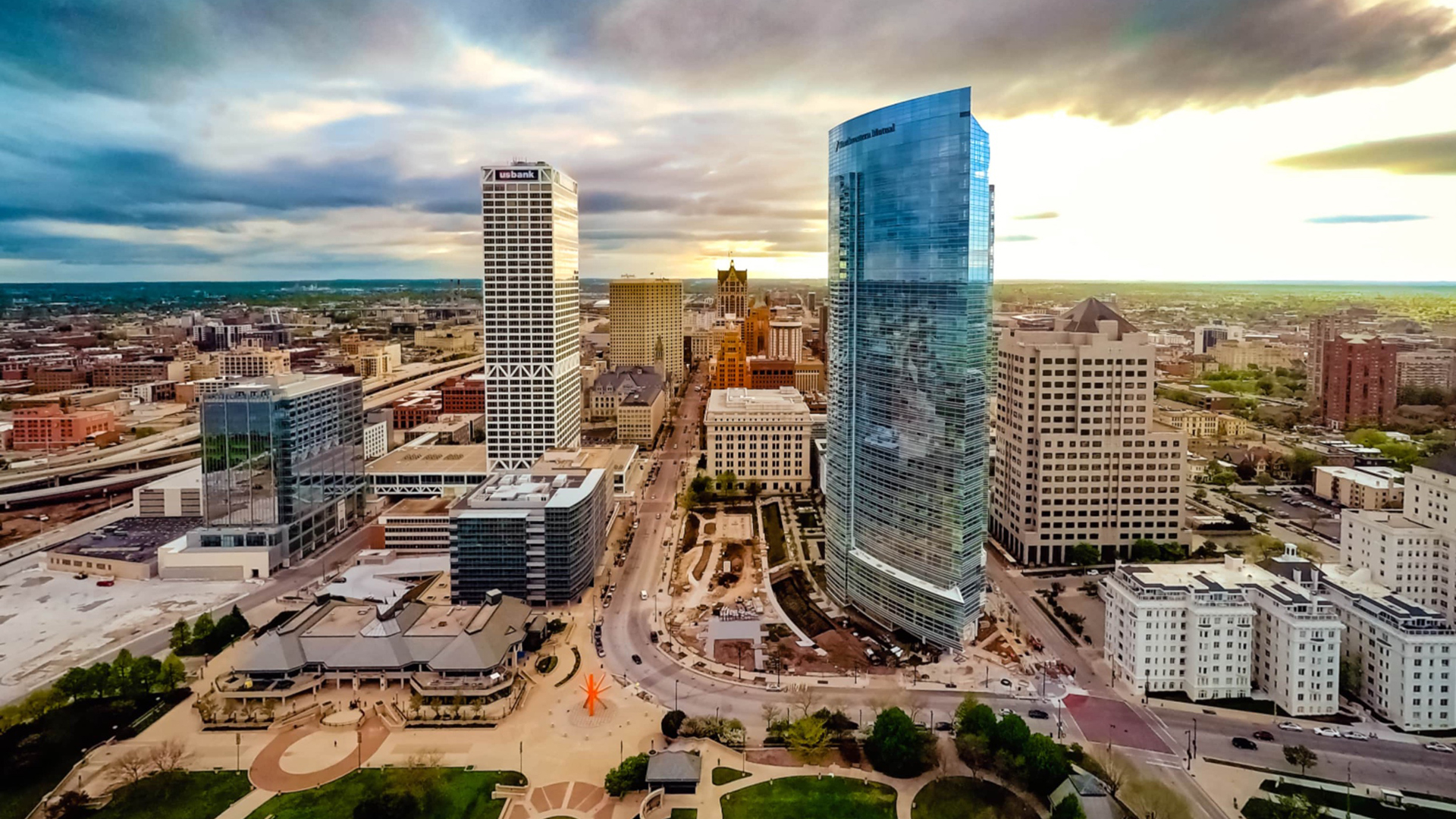
Share the roof address, current issue, photos if available, and any access limits. The response can be framed around inspection, repair, maintenance, coating review, or replacement planning.
Related roof pages
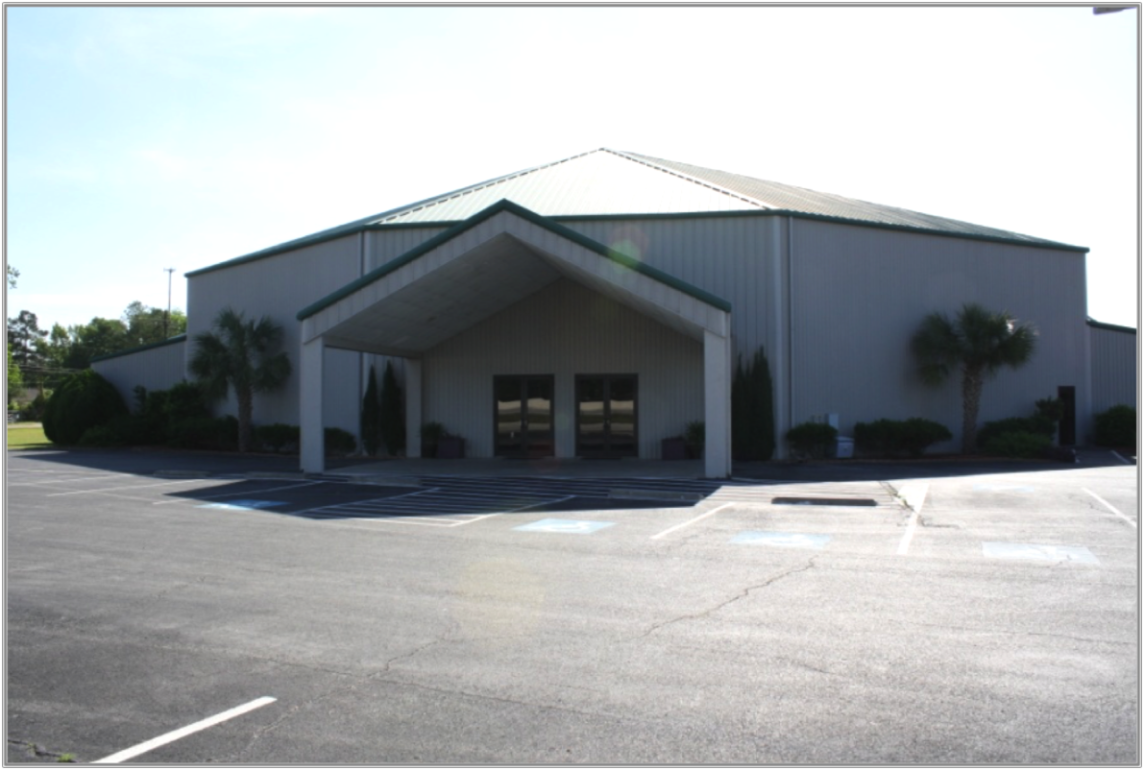
Church and Religious Building Roofing in Milwaukee, WI
Steep slate, copper valleys, and bell-tower flashings on the city's historic parishes get inspected from the inside out, since freeze-thaw tends to open joints long before a stain shows in the nave.
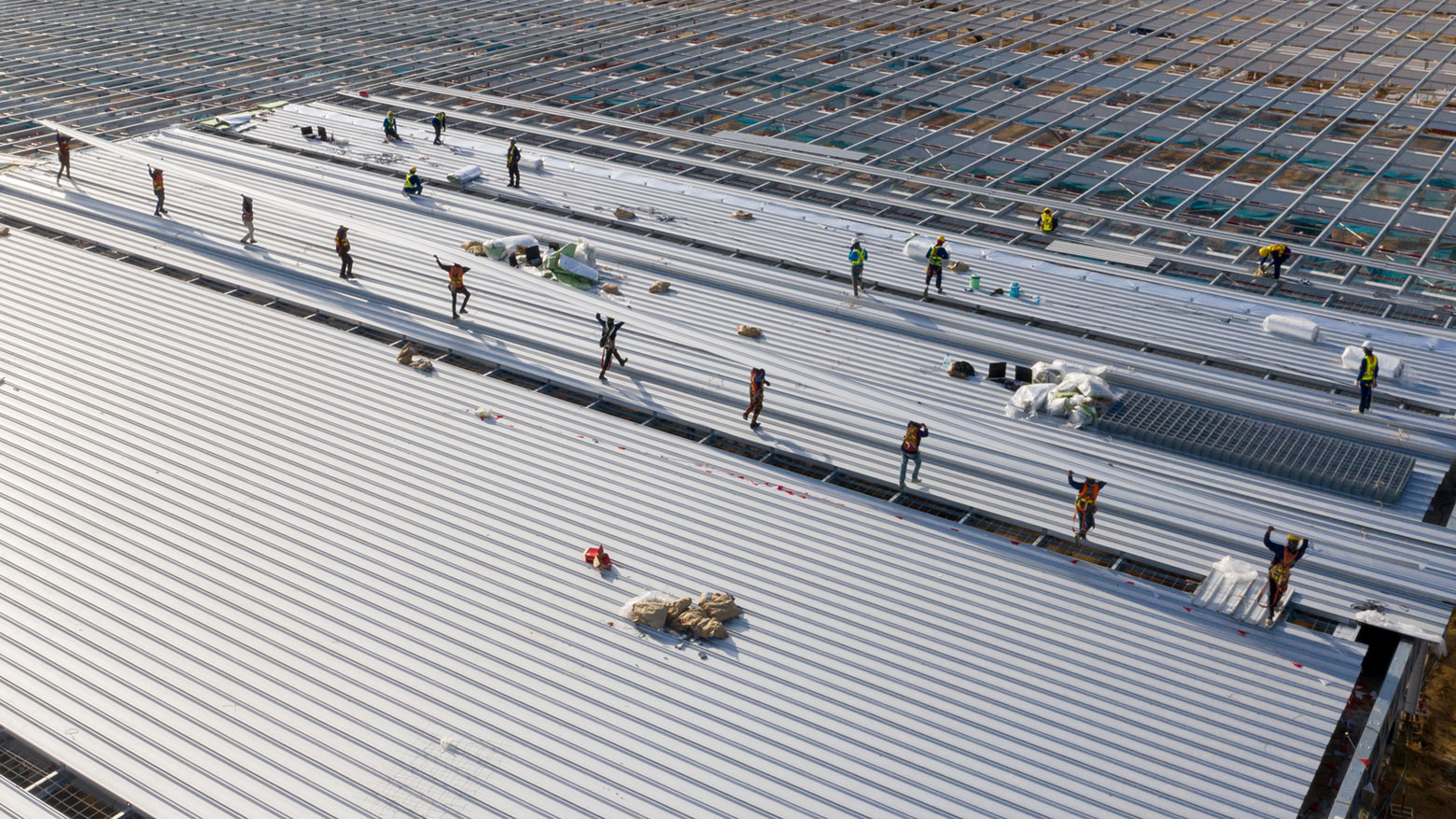
Architectural Sheet Metal in Milwaukee, WI
Custom copings, fascia, and edge metal fabricated to suit older Milwaukee facades and the wind coming off Lake Michigan, with profiles detailed so seams shed meltwater instead of trapping it.
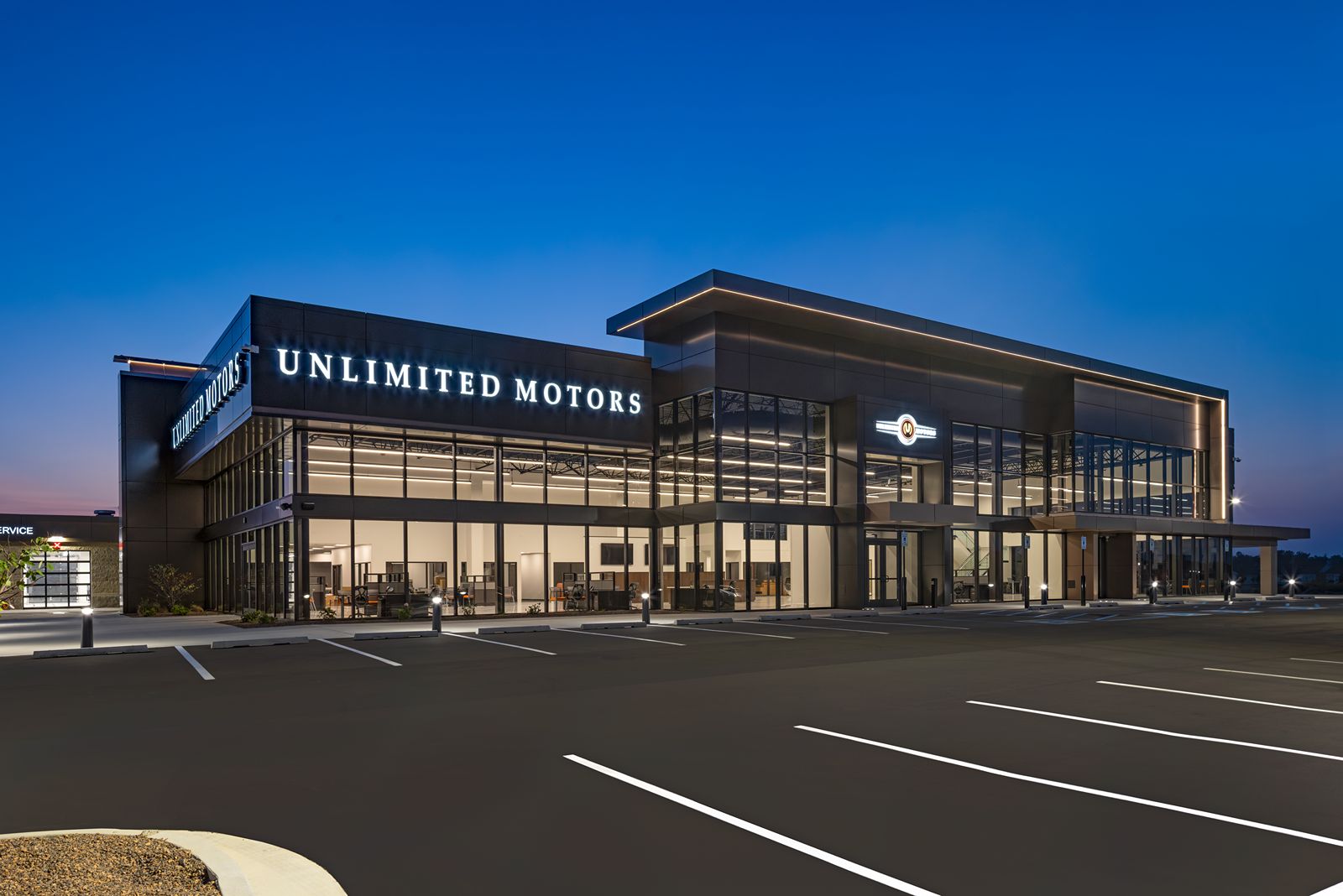
Auto Dealership Roofing in Milwaukee, WI
Showrooms and service bays stay open while the roof is addressed, which matters when a January thaw sends water over the sales floor at a busy Milwaukee dealership.
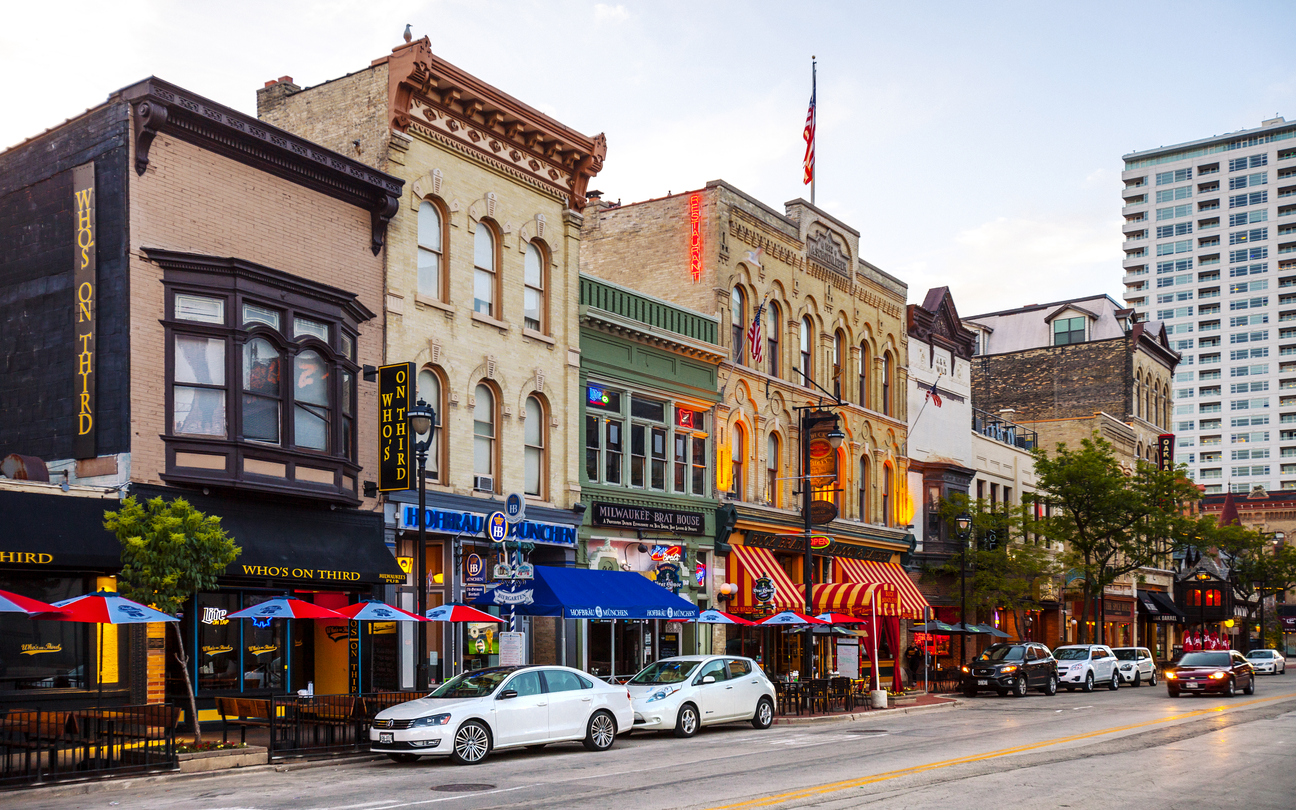
Commercial Roofing in Bay View, WI
Bay View mixes older storefronts along Kinnickinnic with light-industrial buildings near the lake, a stock where decades-old low-slope roofs and salt-laden lake air keep flashings and seams on the watch list.