
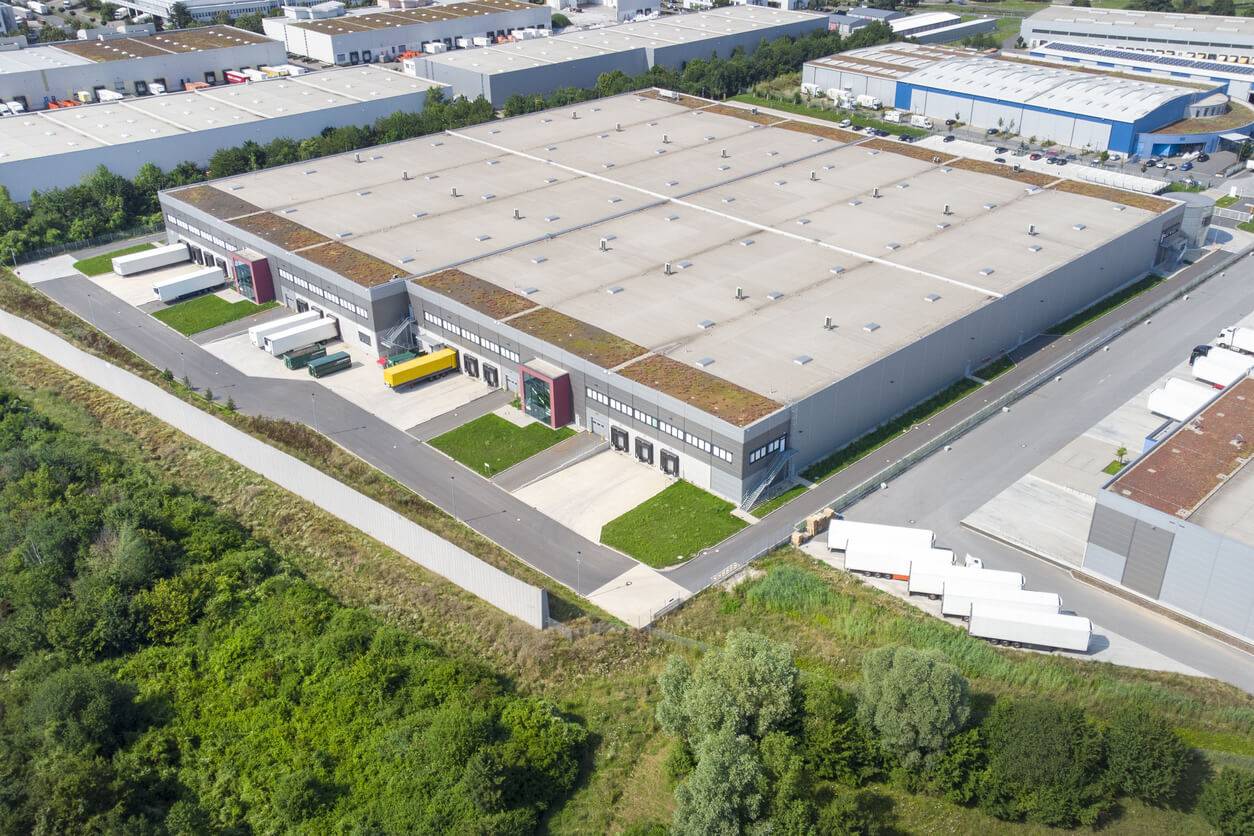
Industrial Roofing in Milwaukee, WI
Industrial Roofing for manufacturing facilities, warehouses, and industrial buildings throughout Milwaukee, WI.
Architectural Sheet Metal is scoped around commercial metal details, wall panels, copings, and transitions.
Milwaukee industrial roofing is defined by legacy, weather, and the lake. The city's manufacturing history runs deep — Harley-Davidson has built motorcycles here since 1903, Briggs and Stratton powered small engines from Milwaukee for over a century, and Johnson Controls' global headquarters and technology operations sit on the city's south side. The Port of Milwaukee connects the city to the Great Lakes shipping network. The Menomonee Valley, once the industrial heart of the upper Midwest, is in the middle of a sustained revival that's bringing new tenants into restored historic manufacturing buildings that carry roofing conditions reflecting decades of industrial use, deferred maintenance, and the most demanding lake-effect weather east of Chicago. This is not a market where standard specs and production-pace execution produce good outcomes. Milwaukee demands more, and it will show you clearly when it didn't get it.
Lake Michigan's influence on Milwaukee weather is both dramatic and unpredictable. Lake-effect snow off Lake Michigan regularly delivers heavy, wet snowfall that blankets Milwaukee's industrial south and east sides while western suburbs see far less. The city averages 50 inches of annual snowfall, but individual lake-effect events can drop 12 to 20 inches of wet, dense snow in 24 hours. That snow density — lake-effect snow near Milwaukee is significantly heavier per inch than the dry powder common in inland markets — creates structural loading conditions that older industrial buildings in the Port area and the Menomonee Valley were never designed to manage on a consistent modern basis. We assess structural capacity before recommending any reroofing approach that would add dead load to a marginal building.
The Port of Milwaukee's industrial buildings along the Kinnickinnic River corridor and the Jones Island industrial zone face the full combination of lake-effect weather and salt air exposure from Lake Michigan. This isn't oceanic saltwater exposure comparable to Long Beach or the Port of LA, but freshwater lake proximity still accelerates corrosion of metal roofing accessories faster than inland markets. Edge metal on older Port-area buildings — particularly galvanized steel systems on buildings from the 1970s and 1980s — shows accelerated surface corrosion and section loss compared to equivalent buildings in the western suburbs. We specify aluminum or pre-painted steel edge systems for Port-area and lakefront-adjacent industrial buildings, and we upgrade corroded accessories during maintenance visits before they reach the failure stage.
The Menomonee Valley's industrial revival brings a specific challenge: beautiful, historically significant brick and concrete buildings that were designed for heavy manufacturing and are being adapted for modern uses ranging from light manufacturing to creative office to food and beverage production. The roofing on these buildings is a forensic exercise. Original roof construction from early in the last century may include layers of built-up roofing that predate modern material classification — some of these assemblies include materials that require sampling and testing before disturbance. We've documented roofing assemblies on Valley buildings that include four and five layers spanning seventy or more years of roofing history. Each layer needs to be characterized before tear-off work begins. The structural condition of decks on these buildings — many with timber framing or older metal deck systems — requires assessment before adding any new roofing weight.
Harley-Davidson's Milwaukee area facilities — the Capitol Drive production facility, the museum and destination complex on the Menomonee River, the corporate offices in Wauwatosa — represent an iconic industrial account with specific maintenance and quality expectations. The production facilities have rooftop equipment supporting the manufacturing process, and rooftop work requires coordination with plant operations to avoid disrupting production flows or introducing foreign material risks into the manufacturing environment. We treat Harley-Davidson facility work with the documentation and personnel consistency that a historic global brand expects from its contractor relationships. That means assigned personnel, written pre-work plans, progress documentation, and post-installation testing records — not because Harley mandates every specific detail, but because that's the standard we hold ourselves to on accounts of that profile.
Freeze-thaw cycling in Milwaukee is severe. With 7,200 or more heating degree days annually, the city experiences significant accumulated freeze-thaw stress on roofing systems through the shoulder seasons. Scuppers and interior drains that collect standing water during rain events freeze solid when temperatures drop, backing up drainage for extended periods and subjecting membrane laps and flashing bonds to prolonged ice expansion pressure. On buildings in the I-94/I-43/US-41 industrial corridors — older manufacturing facilities with flat roofs and inadequate drainage slopes — this freeze-thaw cycle at drainage points is the most consistent cause of flashing failures we encounter. We redesign drainage geometry on reroofing projects to eliminate or minimize ponding, and where elimination isn't practical, we install heated drain cable systems at critical drainage points to maintain flow through freeze events.
EPDM's dominance in the Milwaukee commercial roofing market is well-earned. The material's cold-temperature flexibility, its compatibility with the fully adhered installation method that performs best in high-wind and freeze-thaw conditions, and its long track record in the Wisconsin climate have made it the default specification for decades. We continue to specify EPDM as the primary system for most Milwaukee industrial applications — 60-mil adhered systems on complex-penetration roofs, 60-mil or 90-mil mechanically fastened on clean large spans. TPO is gaining ground in applications where reflectivity requirements or chemical resistance needs justify the switch, and two-ply modified bitumen remains an excellent choice for buildings where impact resistance from foot traffic or hail is a concern. The system choice should be driven by the building's actual conditions, not regional habit.
The Oak Creek industrial zone south of Milwaukee along I-94 has developed into a significant logistics and manufacturing concentration over the past twenty years, and the building stock there ranges from 1980s and 1990s industrial facilities to modern distribution centers. The older buildings in this corridor often carry EPDM from their original construction — at 25 to 30 years of age, that original material is at or past the end of its reliable service life in Wisconsin's climate. Seam shrinkage, brittleness at low temperatures, and accumulated flashings failures that have been patched rather than properly repaired are common findings on first assessments of these buildings. We provide Oak Creek and south side industrial property owners with honest remaining-life assessments and capital planning projections so they can budget replacement before failure occurs rather than responding to emergency conditions in February.
Insulation performance in Milwaukee's heating-dominated climate is a major factor in both building operating costs and roof system longevity. Wisconsin commercial energy code requires minimum R-30 for new commercial roofing in Climate Zone 6. Many existing industrial buildings in the Milwaukee market have R-11 to R-20 existing assemblies — adequate when installed under earlier codes, but significantly below what current standards and energy economics support. On reroofing projects, we build to current code requirements and address the condensation risk that results from inadequate insulation: in Milwaukee's cold climate, a roof assembly with insufficient thermal value allows the deck to reach condensation temperatures in winter, producing moisture damage from the underside even without any external water intrusion. Proper insulation is both an energy performance investment and a structural protection measure in this climate.
Milwaukee's industrial roofing market rewards contractors who understand the city's manufacturing heritage, the lake's weather influence, and the specific demands of legacy buildings that deserve better than the minimum viable approach. From the Port's lakefront buildings to the Menomonee Valley's historic revival structures to Harley-Davidson's production facilities to the I-94 corridor's logistics parks, the diversity of this market requires contractors who think beyond the template. We've earned our position here by doing the forensic work that aging buildings require, specifying to the actual conditions rather than the cheapest compliant option, and maintaining the documentation standards that institutional and corporate clients expect. If you manage industrial roofing in Milwaukee — from the lakefront to the Oak Creek corridor — call us and tell us what you're working with.
It's a genuine concern for buildings from the mid-twentieth century or earlier, particularly those with steel or timber framing designed under older, lower code loads. Lake-effect snow near Milwaukee is wet and dense — a foot of lake-effect accumulation can weigh 20 to 30 pounds per square foot or more, compared to 10 to 15 pounds for drier inland snow. Buildings that have accumulated multiple roofing layers have elevated dead loads that reduce the available capacity for snow load. We assess structural capacity as part of any reroofing evaluation on older buildings in the lake-effect zone, specifically checking the combined dead load plus design snow load against the structure's rated capacity. Buildings where that margin is thin should have a structural engineer review the situation before any additional dead load is added through reroofing.
Several. First, assume there are multiple roofing layers — the Valley's buildings were continuously occupied through the twentieth century and accumulated roofing additions with each decade. Core cuts at multiple locations will document the existing assembly before any removal work begins. Second, expect legacy materials — coal tar pitch, early asphalt-based products, and potentially asbestos-containing components in buildings from certain eras. Pre-work sampling and laboratory analysis is required before any disturbance. Third, assess the structural deck condition carefully — timber decks and early metal decks in these buildings may have corrosion, deterioration, or section loss at points that need to be addressed before new roofing. Finally, the historic character of these buildings means that any work visible from public areas may be subject to design review. We work with architects and preservation consultants on Valley buildings where exterior character is part of the project brief.
Drainage hardware freezes when standing water in low points, drain throats, or scupper channels freezes during temperature drops. The freeze happens faster in areas where water is shallow and exposed — wide, flat ponding areas freeze from the top down, blocking drainage before the ice mass is structurally significant. Solutions depend on the severity and location. For critical single drain points, heated drain cable installed in the drain body and tailpiece maintains flow through all but the most extreme cold events — these are reliable and the operating cost is low. For scuppers, adjusting scupper opening heights to eliminate the standing water condition upstream of the scupper eliminates the ice formation source. For chronic ponding areas that haven't frozen but create ice blocks in the drain, tapered insulation systems that establish positive drainage slope toward drains eliminate the ponding in the first place. Usually the right answer combines a drainage redesign with heating at remaining critical points.
A 1990s EPDM installation in Milwaukee is 25 to 35 years old, which puts it at or past typical service life expectations for that generation of material. Early EPDM formulations had somewhat shorter expected lives than current products, and Wisconsin's freeze-thaw cycling and UV exposure have been accumulating stress throughout that time. We typically find significant seam shrinkage and brittleness in EPDM at this age in the Milwaukee climate — seams that were properly welded at installation have pulled and are now relying on whatever adhesion remains in a dried, hardened lap sealant. Penetration flashings on these buildings are often the first visible failure point. We recommend assessment and capital planning for any Milwaukee industrial building with 1990s EPDM, with a realistic expectation that replacement within three to five years is warranted for most of these roofs.
Yes. Focus on Energy, Wisconsin's statewide efficiency program, offers commercial building incentives for insulation improvements including above-deck insulation added during reroofing projects. The incentive amount is based on the R-value improvement achieved and the roof area treated. The federal Section 179D commercial building energy deduction can apply to qualifying energy-efficiency improvements including the building envelope, with deduction amounts tied to the percentage improvement in energy cost relative to a reference building. For Milwaukee industrial buildings making the jump from R-11 or R-15 original insulation to current code-level R-30, the combined incentives and tax benefits can offset 15 to 25 percent of the incremental insulation investment. We help clients navigate the application and documentation requirements for these programs as part of the reroofing project scope.
- Occupied Building Reroofing
- Built Up Roofing
- Preventive Maintenance Programs
- Insulation Recovery Board
- Office Building Roofing
- Drone Roof Inspection
- Roof Inspection Condition Report
- School Roofing
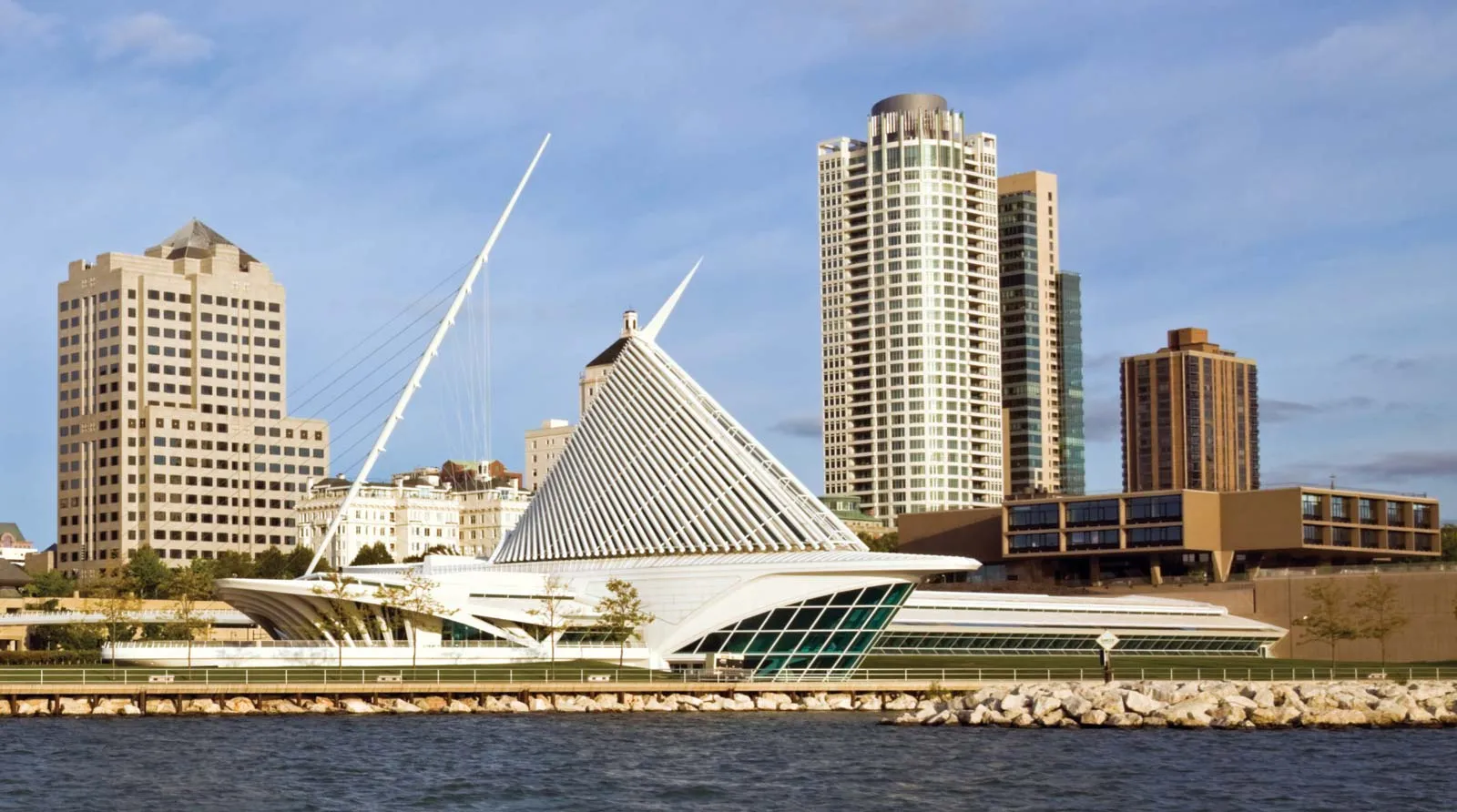
Share the roof address, current issue, photos if available, and any access limits. The response can be framed around inspection, repair, maintenance, coating review, or replacement planning.
Related roof pages
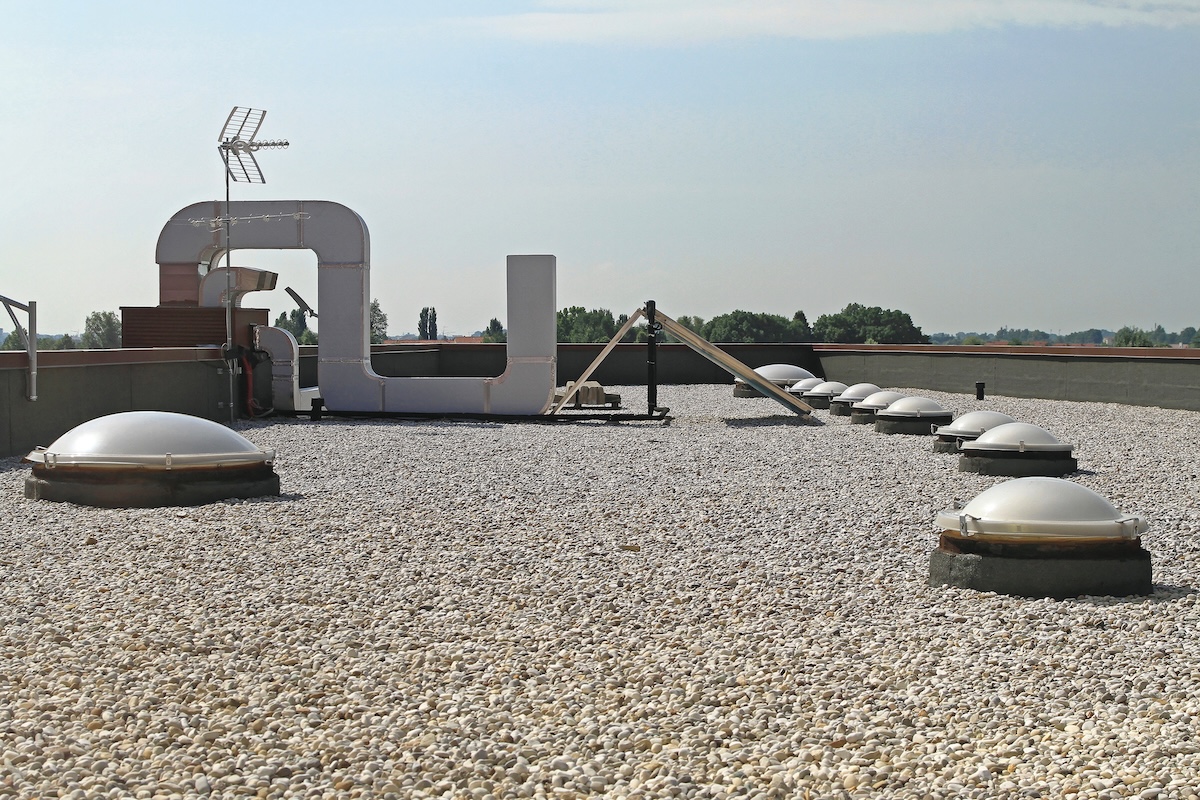
Built-Up Roofing in Milwaukee, WI
Many of Milwaukee's mid-century commercial blocks still wear gravel-surfaced BUR; we assess the ply count, blistering, and ponding before deciding between repair and a tear-off.
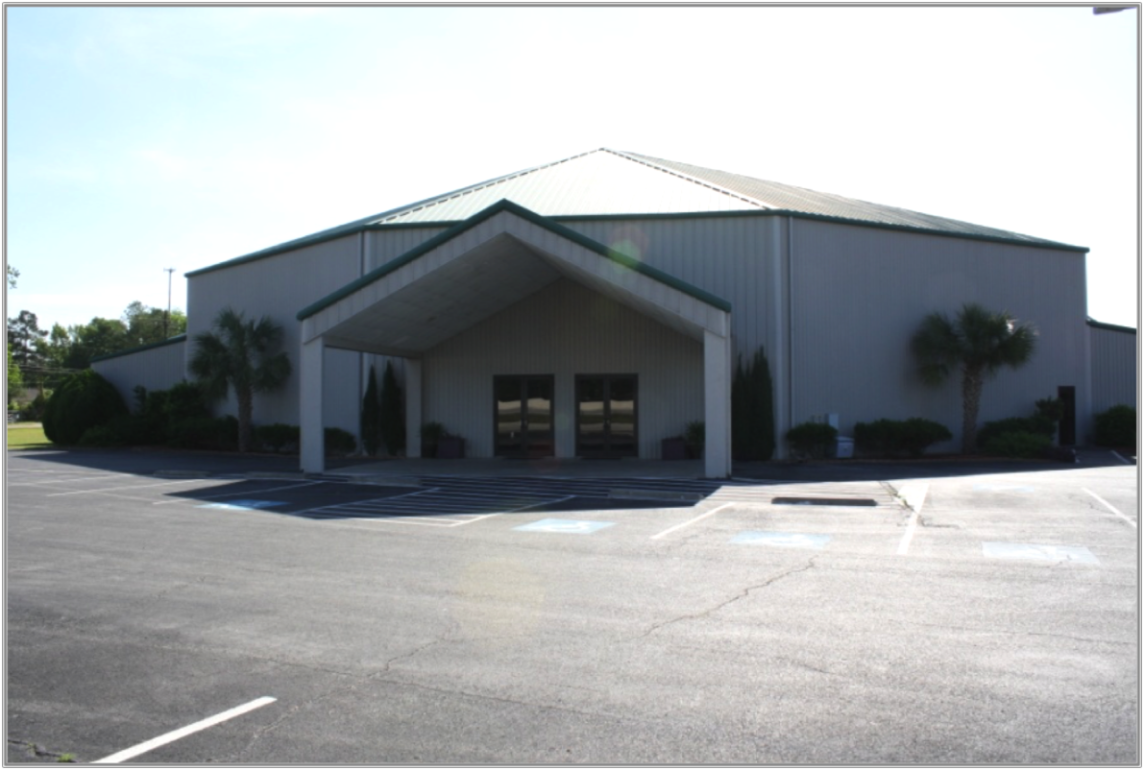
Church and Religious Building Roofing in Milwaukee, WI
Steep slate, copper valleys, and bell-tower flashings on the city's historic parishes get inspected from the inside out, since freeze-thaw tends to open joints long before a stain shows in the nave.
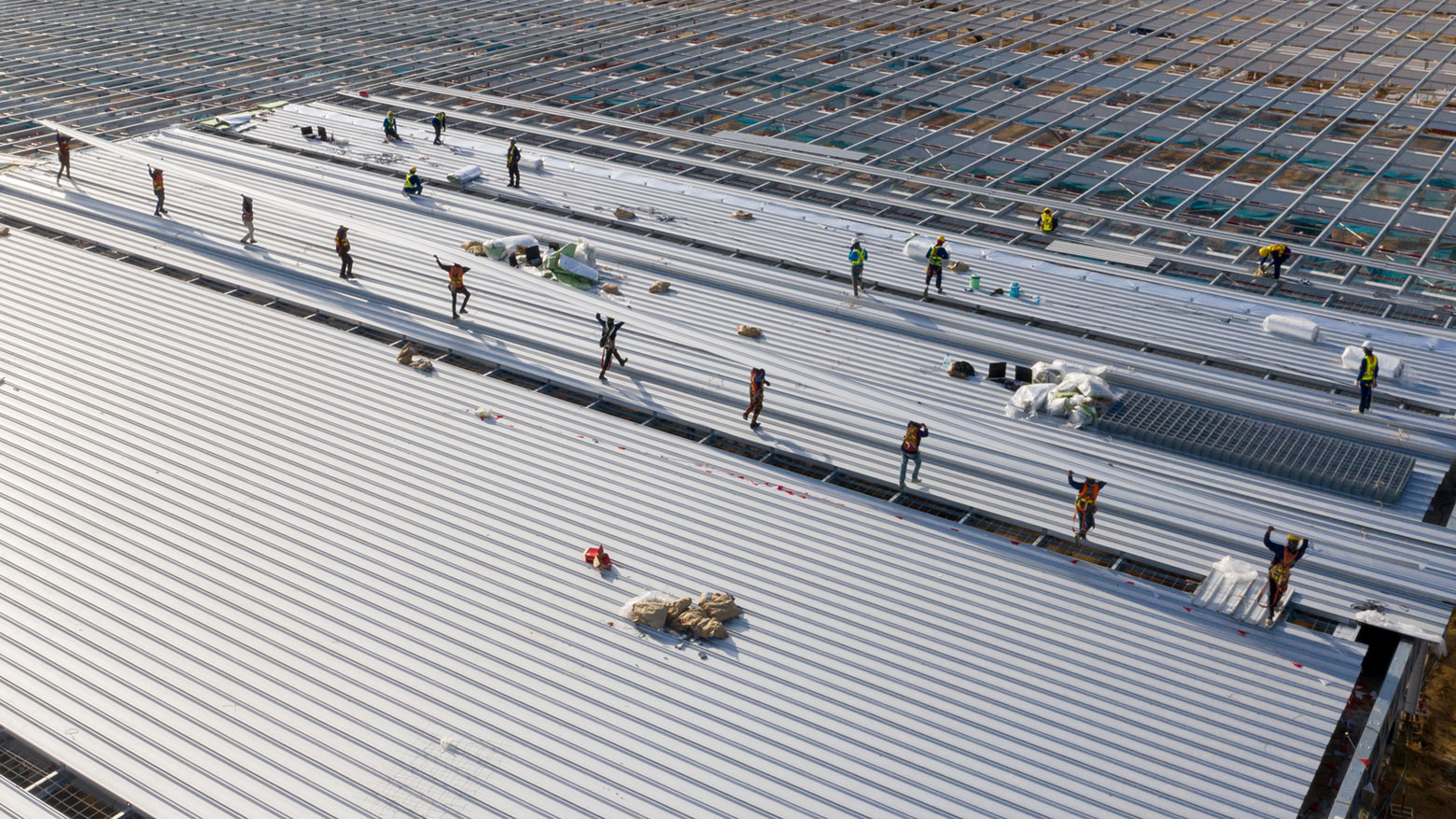
Architectural Sheet Metal in Milwaukee, WI
Custom copings, fascia, and edge metal fabricated to suit older Milwaukee facades and the wind coming off Lake Michigan, with profiles detailed so seams shed meltwater instead of trapping it.
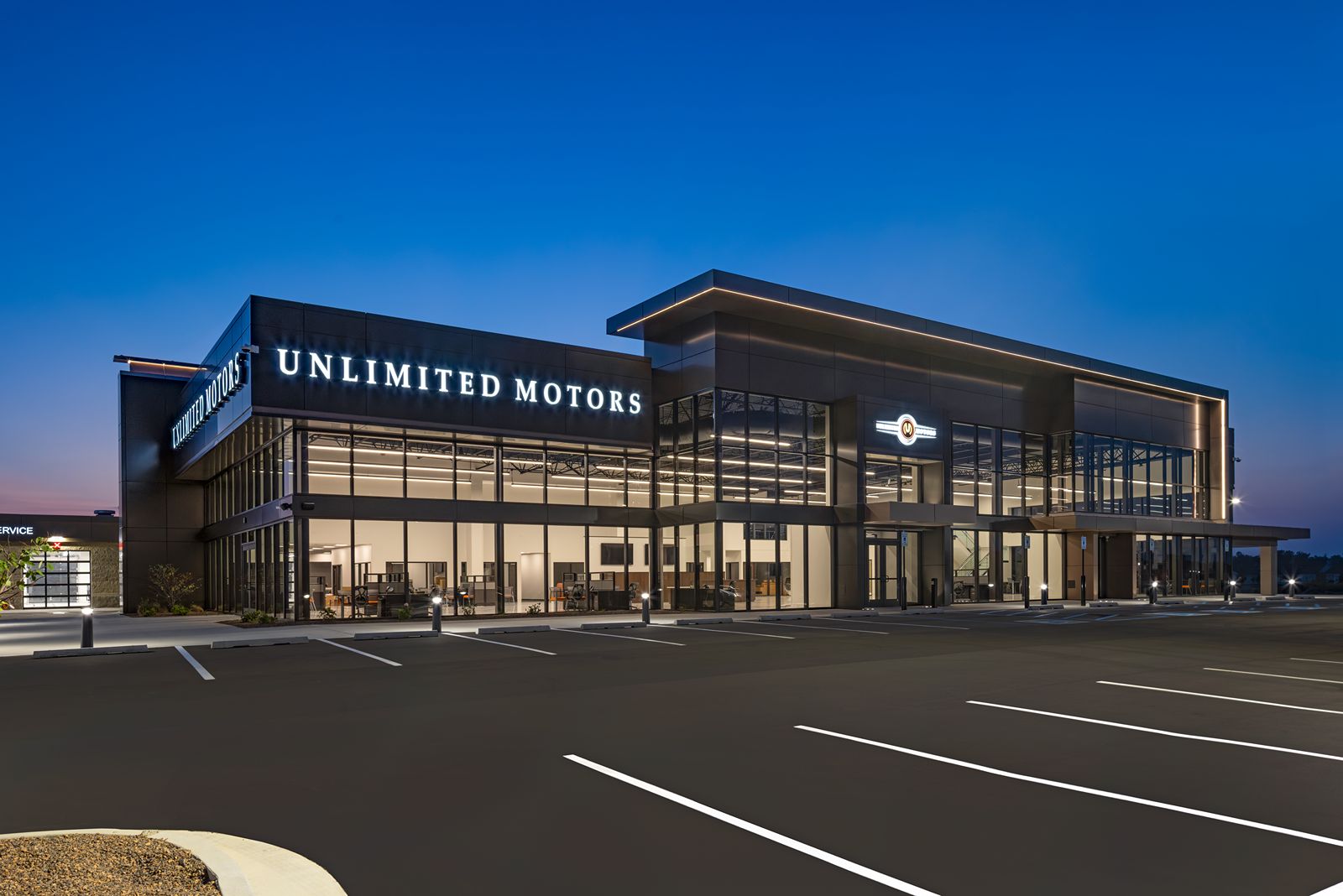
Auto Dealership Roofing in Milwaukee, WI
Showrooms and service bays stay open while the roof is addressed, which matters when a January thaw sends water over the sales floor at a busy Milwaukee dealership.