
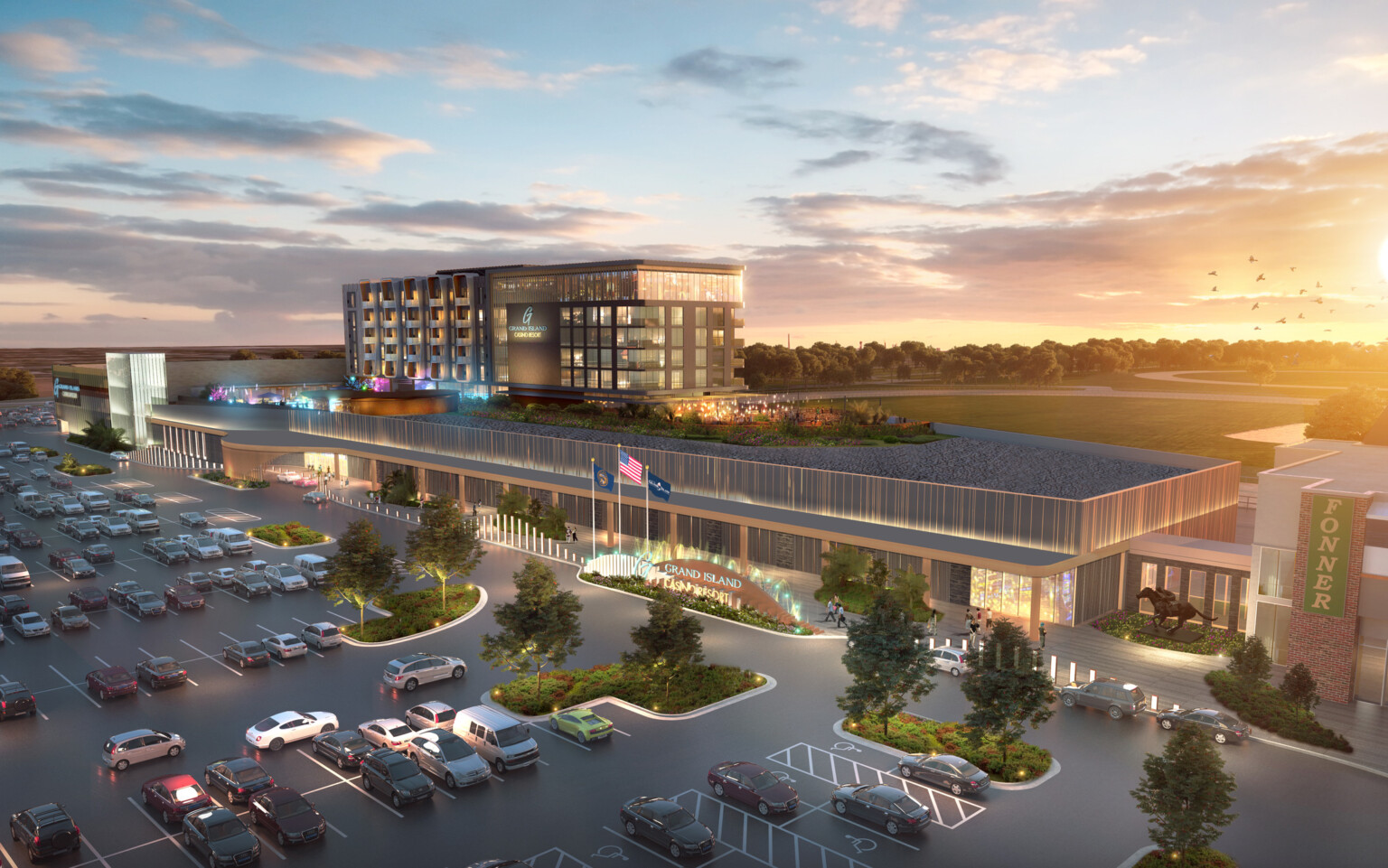
Hotel and Hospitality Property Roofing in Milwaukee, WI
Commercial roofing for full-service hotels, limited-service hotels, extended-stay properties, and hospitality brands throughout Milwaukee, WI.
Commercial roofing for hotels, motels, resorts, and hospitality properties.
Milwaukee's hotel market has evolved significantly over the past decade as the Fiserv Forum's opening catalyzed investment in the downtown corridor and the Third Ward, producing new boutique and full-service properties alongside the established Marriott, Hilton, and Hyatt flags that serve the Wisconsin Center District convention business. The Milwaukee Brewers' American Family Field, Summerfest—the world's largest music festival running late June through early July—and the long-established healthcare and industrial machinery sector provide the demand anchors that keep mid-scale and limited-service properties along I-94 and in the Wauwatosa and Brookfield corridors reasonably occupied. For hotel roofing capital planning, Milwaukee's event-driven peaks define the no-go zones just as clearly as the city's weather defines the practical construction windows.
Milwaukee's climate is one of the more demanding roofing environments in the Midwest. Lake Michigan's moderating influence prevents the extreme cold of interior Wisconsin cities but introduces its own complications: lake-effect snow events that can deposit heavy loads rapidly, persistent off-lake wind that drives moisture into every unsealed roofing transition, and a spring thaw that is often more gradual and drawn-out than inland markets experience—meaning roof drainage must manage extended melt periods rather than a single rapid event. The city averages approximately forty-seven inches of annual snowfall and experiences more than one hundred and forty days per year with below-freezing temperatures. Hotel roofing systems must be specified for these combined stresses from the outset, not adapted to them through incremental repairs.
Property Improvement Plans for Milwaukee's branded hotels require navigating the specific challenge that the city's event calendar creates around a compressed practical construction season. The Summerfest window in late June and early July, the NBA and NHL event calendar at Fiserv Forum from October through June, and the Wisconsin Center's convention schedule occupy enough of the calendar that finding a multi-week window for significant roofing work requires genuine coordination. The most reliable approach is targeting the narrow window between Summerfest's end in mid-July and the start of the NFL and college football season in early September—an approximately six-week span that falls within Milwaukee's most dependable warm weather window and outside the major event calendar peaks.
Snow load management is the roofing engineering concern that most frequently surprises hotel owners new to the Milwaukee market. The roof structural system was designed for code-required snow loads, but the drainage system must be sized to handle rapid melt events when a warm front follows heavy accumulation. Hotels that experience roof drain backup or overflow during spring thaw periods may have drainage systems that were adequate for rainfall patterns but were never sized for the snowmelt runoff volumes that a significant Wisconsin winter produces. Tapered insulation retrofits that create positive drainage slopes and scupper systems sized for snowmelt drainage are among the most impactful roofing investments for older Milwaukee hotel properties.
Limited-service and extended-stay hotels serving Milwaukee's industrial and manufacturing sector—the Harley-Davidson, Rockwell Automation, and Johnson Controls workforce in particular—maintain occupancy driven by project-based corporate travel that is far less seasonal than the convention and event segments. These properties along the West Allis and Wauwatosa corridors often have simpler rooftop profiles than downtown convention properties but have accumulated deferred maintenance over ownership periods that prioritized other capital categories. Infrared moisture surveys on these buildings frequently reveal insulation saturation in low areas that has been absorbing water through slow seam leaks for years without producing obvious interior symptoms. Addressing these conditions before they reach the roof deck is substantially cheaper than replacing deck sections along with membrane and insulation.
The Third Ward boutique hotel segment—a growing component of Milwaukee's hospitality landscape as the neighborhood has matured into a design and dining destination—often occupies former warehouse and industrial buildings with atypical roofing conditions. Multi-story warehouse conversions carry heavy timber roof structures with original metal deck that may have been modified multiple times, drainage systems designed for industrial occupancy rather than hotel use, and rooftop mechanical equipment that was added incrementally by successive tenant improvements. Reroofing these conversions requires treating each building as a unique investigation project rather than applying standard commercial hotel specifications, and the contractor must be comfortable working with the surprises that come with each new layer of removed material.
Indoor pool waterproofing at Milwaukee's full-service hotels is a scope where the cold-climate interaction with pool moisture creates specific performance requirements. When a heated pool natatorium is adjacent to an exterior wall in Milwaukee's winter conditions, the thermal differential drives moisture vapor aggressively toward the cold side of the assembly. Waterproofing systems on pool decks and pool-adjacent walls in Milwaukee hotels must incorporate proper vapor management design to prevent condensation within the assembly from producing the substrate deterioration that looks like a waterproofing failure from inside but actually originates at the vapor interface. Specifying a system without verifying that the installer understands this principle produces expensive callbacks.
Emergency roofing response in Milwaukee has particular relevance in February and March, when late-season snow events and ice dam formation can produce rapid leak development on hotel properties that have been performing adequately through most of the winter. The week or two around the end of winter—when temperatures begin cycling above and below freezing more frequently—is the period of highest ice dam risk for Milwaukee hotels with under-insulated parapet assemblies. A contractor who can respond with cold-weather temporary repair materials, experience applying them at sub-freezing temperatures, and a practical understanding of ice dam mechanics is a genuinely valuable emergency partner for a Milwaukee hotel operator facing a leak during a sold-out Fiserv Forum event weekend.
Capital planning for Milwaukee hotel roofing over a five- to ten-year horizon should account for the interplay between the building's thermal performance, drainage capacity, and membrane condition as a system rather than as independent components. A property that replaces only the membrane while leaving an inadequate drainage slope and an under-insulated parapet will continue producing the same maintenance problems that drove the membrane replacement decision. Coordinating insulation upgrades, drainage improvement, and membrane replacement into a single integrated scope—even if the budget requires phasing the work over two seasons—produces substantially better long-term performance than sequential single-component replacements.
- Commercial Roof Leak Repair
- Edge Metal Coping Gutters
- Manufacturing Facility Roofing
- University Campus Roofing
- PVC Roofing
- Preventive Maintenance Programs
- School Roofing
- Drone Roof Inspection
Share the roof address, current issue, photos if available, and any access limits. The response can be framed around inspection, repair, maintenance, coating review, or replacement planning.
Related roof pages
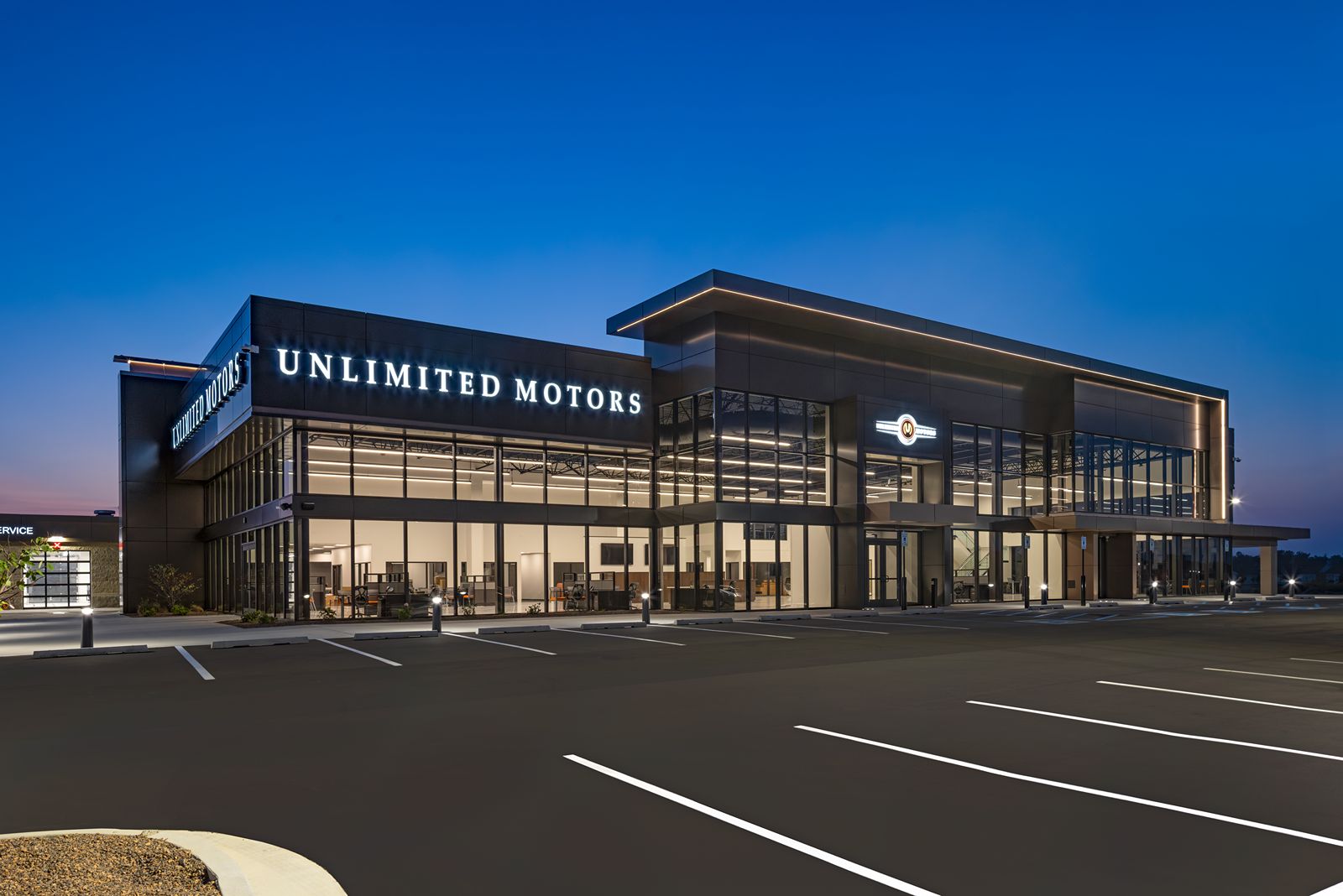
Auto Dealership Roofing in Milwaukee, WI
Showrooms and service bays stay open while the roof is addressed, which matters when a January thaw sends water over the sales floor at a busy Milwaukee dealership.
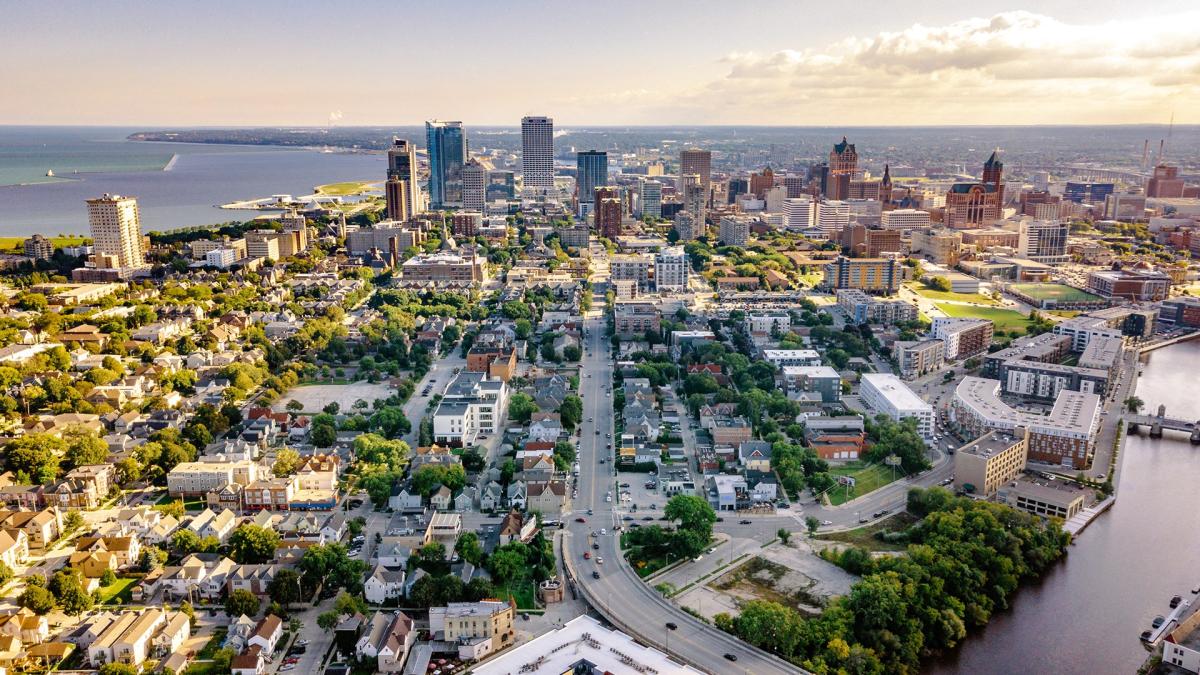
Commercial Roofing in Bay View, WI
Bay View mixes older storefronts along Kinnickinnic with light-industrial buildings near the lake, a stock where decades-old low-slope roofs and salt-laden lake air keep flashings and seams on the watch list.
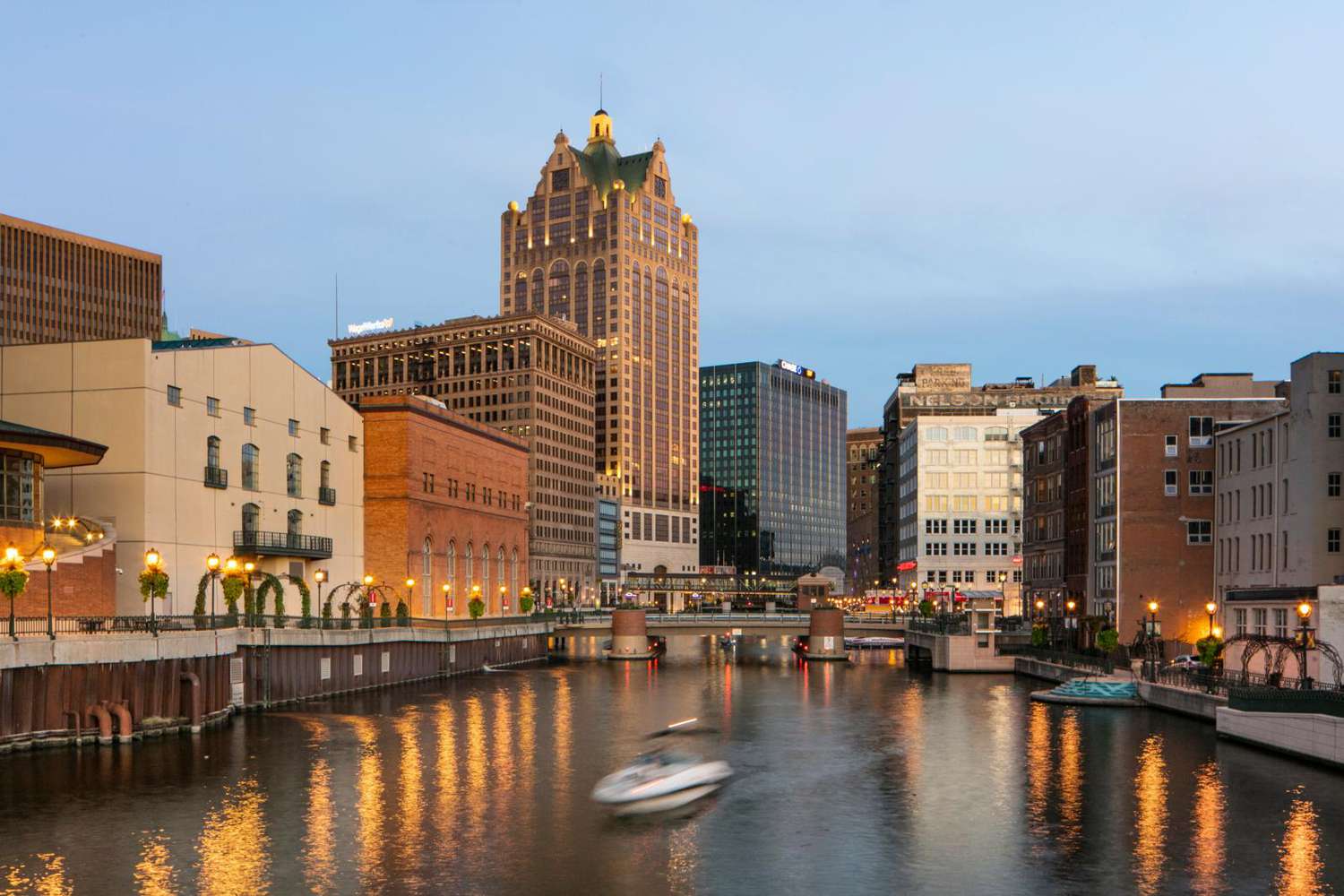
Commercial Roofing in Bayside, WI
Roofing for Bayside's offices and retail sits close enough to Lake Michigan that wind uplift and winter ice loading drive the inspection more than anything else.
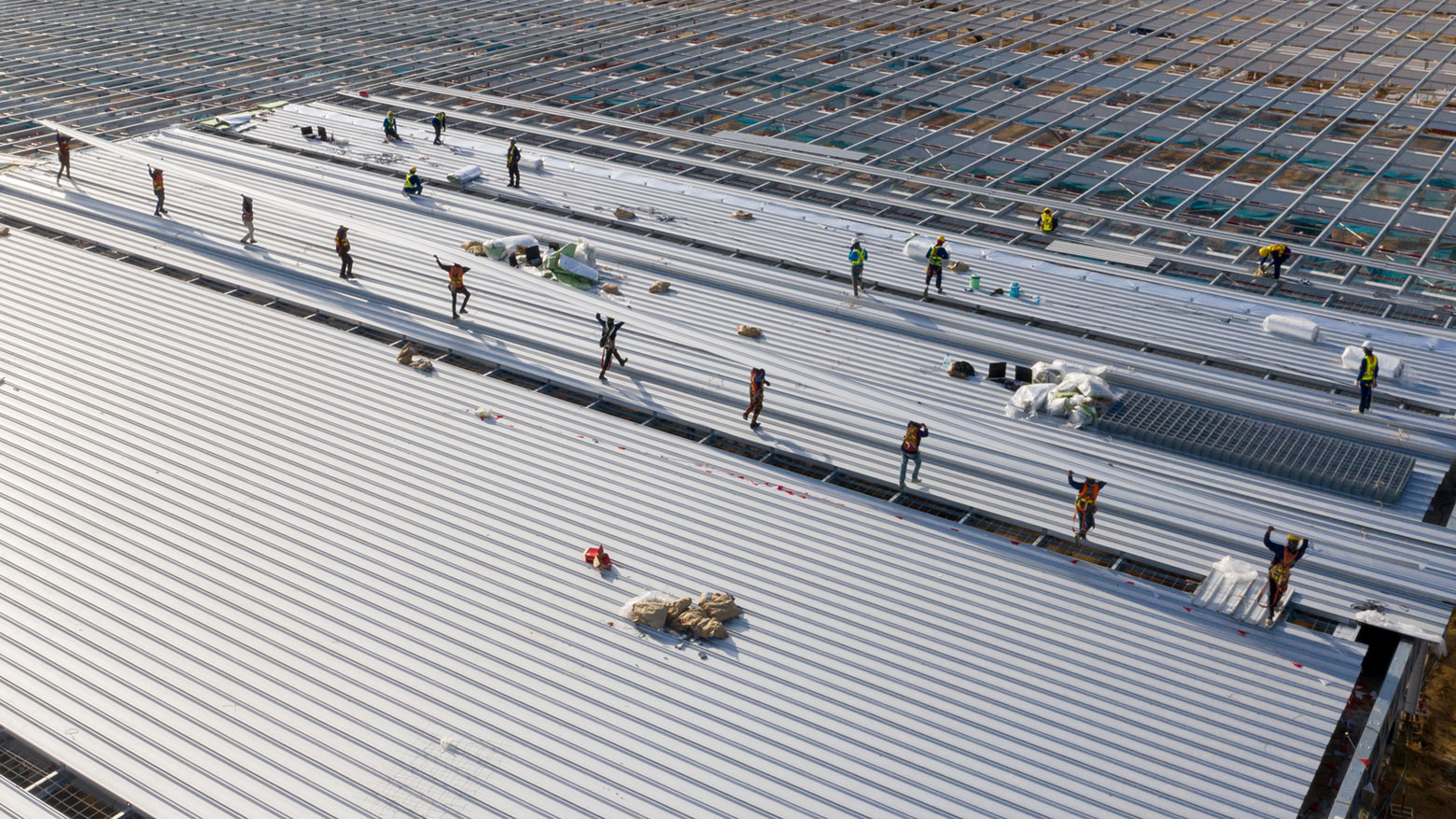
Architectural Sheet Metal in Milwaukee, WI
Custom copings, fascia, and edge metal fabricated to suit older Milwaukee facades and the wind coming off Lake Michigan, with profiles detailed so seams shed meltwater instead of trapping it.