
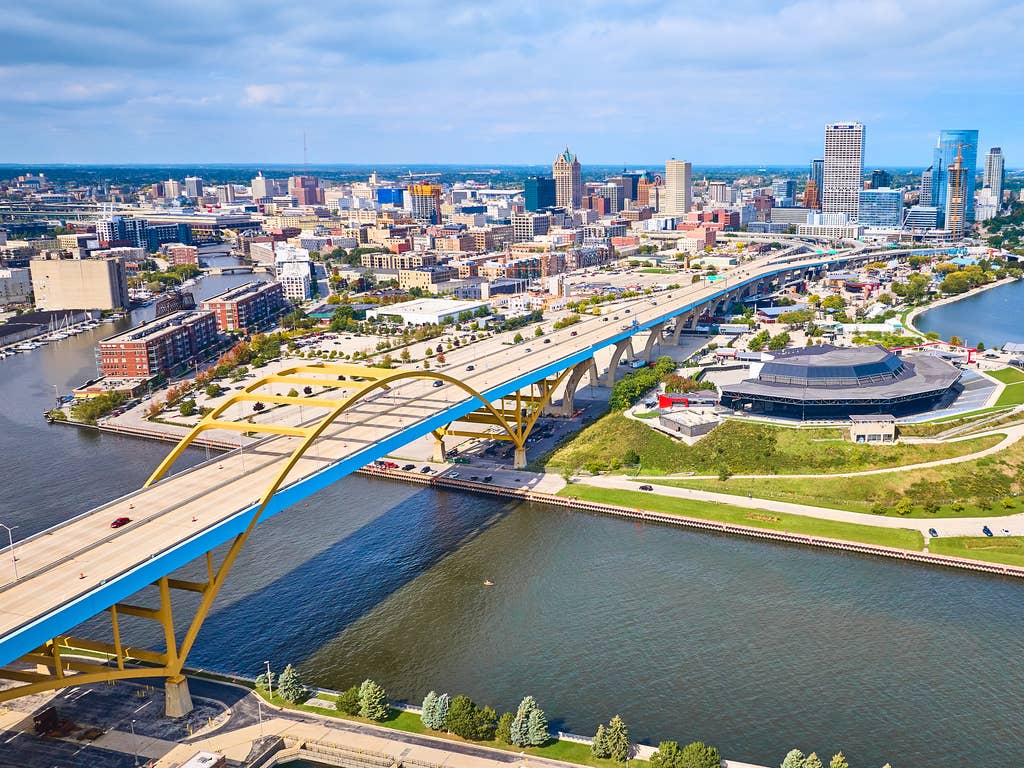
Sports & Recreation Facility Roofing in Milwaukee, WI
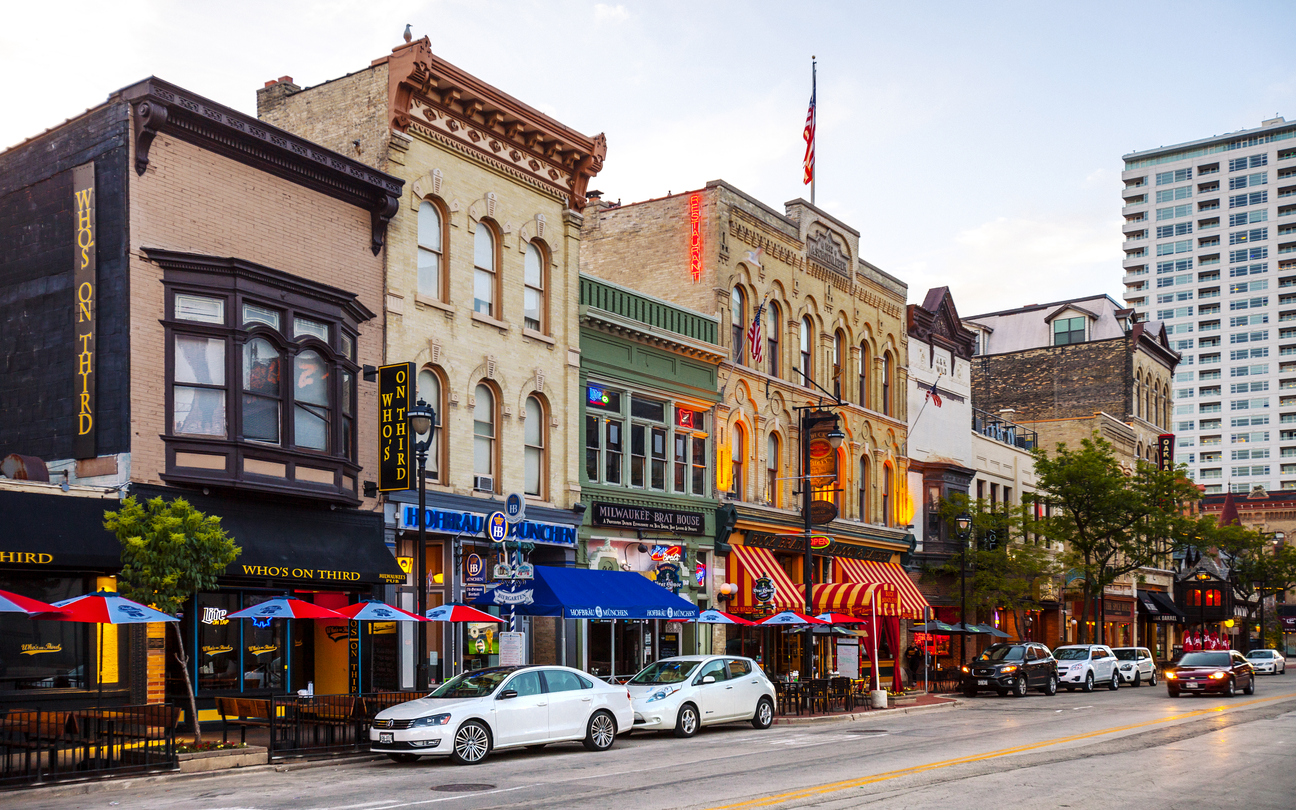
Roofing for sports and recreation facilities in Milwaukee, WI — long clear spans, natatorium humidity and chloramine, and public-bid procurement handled correctly.
Roofing for Milwaukee rec centers, field houses, and aquatic facilities — long spans overhead, corrosive pool air, and the procurement rules that come with public work.
One category, a dozen different buildings
"Sports and recreation" covers more building types than almost any other category we roof in Milwaukee. It is the Milwaukee County Parks pools and field houses, the ice rinks and curling clubs, the community and senior recreation centers, the YMCA branches, the indoor turf and court facilities out in the suburbs, and the school district gyms that double as neighborhood programming space. What ties them together is a hard combination: very long clear-span roofs, occupancy that spikes and crashes through the day, and operating calendars that fill exactly the evenings, weekends, and holidays when most crews would rather not be on a roof. We plan around that calendar instead of fighting it.
These are also heavily used public assets, and the people who own them — county and municipal departments, park districts, school boards — answer to budgets and procurement rules that shape the whole job long before anyone climbs a ladder.
Long spans and the pool problem
The roof over a gymnasium or a field house often spans well past sixty or eighty feet with nothing holding it up in between. That structure flexes, and it catches serious wind uplift in a city that takes northeast gales straight off Lake Michigan, so the deck type and span drive the fastener design — an eighty-foot steel-deck bay needs a very different pull-out calculation than a thirty-foot one. We do that structural evaluation and fastener spec as part of the scope, not as a guess.
The natatorium is the hardest roof in the category, and it is a genuinely different specification. Indoor pools throw off chloramines — the compounds you smell when chlorine reacts with everything swimmers bring into the water — and that air is aggressively corrosive. It eats standard steel and aluminum flashing, attacks some membrane adhesives, and works on the structural deck from below. Over a Milwaukee pool we specify stainless or copper flashing in the exposed zones, confirm the membrane and adhesives against the manufacturer's chemical-resistance data, and check that the ventilation drives that air out of the building rather than recirculating it up against the roof. On top of the chemistry, the pool hall is a humidity engine, so the vapor retarder has to be positioned for this climate or the whole assembly stays wet.
- Gyms and field houses: long-span 60- or 80-mil TPO mechanically attached, with fastening engineered to the actual deck and span
- Natatoriums: stainless or copper flashing, chemical-resistant membrane and adhesives, and a verified vapor and exhaust strategy
- Ice rinks: insulation and vapor control tuned to the cold interior and the condensation it drives
- Court and turf buildings: large penetration counts for high-volume air handling, each curb flashed individually
Public work comes with its own rulebook
A big share of recreation roofing in Milwaukee is publicly owned, and that changes how the project is contracted. County, municipal, park-district, and school work typically runs through public bid advertising, with bid bonds, performance and payment bonds, and prevailing-wage compliance where it applies. None of that is an obstacle for us — we carry the bonds and insurance for public work in Wisconsin and know the documentation a municipal facility contract demands — but it does set the timeline, and we plan for it. Private clubs and sports-entertainment venues take a different procurement path, though their event and membership calendars tend to be just as unforgiving on scheduling.
However the contract is structured, we sequence around the programming calendar facility management gives us: gym and arena work concentrated in weekday daylight with dry-in confirmed before evening programming, and any exhaust or HVAC penetration work over a pool coordinated with the aquatics team so air exchange above the water is never left compromised.
The ice rink has the opposite problem from the pool
Milwaukee is a hockey and curling town, and ice facilities flip the moisture problem upside down. Instead of a hot, humid interior pushing vapor up into a cold assembly, you have a cold rink interior with warmer, moister air above the seating and lobby trying to drive condensation down toward the sheet. Get the insulation and vapor control wrong over a rink and you get condensation dripping onto the ice and structural sweating on the underside of the deck — a maintenance and safety problem, not just a roofing one. We tune the assembly and vapor retarder placement to the rink's actual interior conditions, because the same insulation strategy that protects a pool hall is wrong over an ice sheet. Older rinks in the county and suburban systems frequently have under-insulated decks and no real vapor strategy at all, and that shows up as recurring drip complaints the operator has learned to live with.
Across all of these buildings, the roof carries equipment loads people underestimate: large dehumidification units over pools, refrigeration and condensing equipment serving rinks, and high-volume air handlers over courts and turf. Every one of those is a curb, a clearance, and a flashing detail, and undersized or buried curbs are the defect we find most often on aging rec facilities. We inventory and document all of it before pricing, and we raise curbs to meet the manufacturer's minimum height so the warranty holds.
Keeping a community asset open while we work
Most rec centers cannot simply close for a re-roof. A neighborhood center may run senior programming in the morning, youth programs after school, and league play at night, all under one roof, which means we phase the work and protect the spaces in use beneath us. Each day's section is tied watertight before the crew leaves, and we coordinate noisy tear-off into the windows facility management approves around their busiest programming. On pool and rink buildings specifically, any work that touches exhaust or dehumidification penetrations gets scheduled with the operations team so interior air and ice conditions are never left compromised mid-day. The goal is a building that keeps serving the neighborhood through the project rather than going dark for a season.
At closeout, public and private owners alike get the documentation the asset deserves: permit and final inspection records, manufacturer warranty registration, a roof zone diagram with the full penetration and drainage inventory, and photos of the natatorium, rink, and long-span details that matter most for future maintenance. For a publicly owned facility, that package also becomes part of the accountability trail the department needs for its capital records.
Questions facility managers ask
Our pool roof keeps corroding — what's different about it? Chloramine exposure. We specify corrosion-resistant flashing, chemically compatible membrane and adhesives, and confirm the ventilation isn't pushing that air back against the roof.
Can you handle our public bid and bonding requirements? Yes — we carry the required bonds and insurance for Wisconsin public work and know the municipal and school-district documentation process.
Can you work around our evening and weekend programming? Yes. We build the schedule from your programming calendar and confirm the roof is watertight before each evening's activities begin.
- Fire Station Roofing
- Multi Tenant Retail Strip Roofing
- Higher Education Roofing
- Convenience Store Roofing
- Pharmaceutical Lab Roofing
- School Roofing
- Solar Roof Integration
- Commercial Roof Leak Repair
Share the roof address, current issue, photos if available, and any access limits. The response can be framed around inspection, repair, maintenance, coating review, or replacement planning.
Related roof pages
Multi-Family and Apartment Complex Roofing
Apartment complex roofs in Milwaukee shelter occupied units below and carry the ice-dam risk that low-slope multifamily invites, so work is staged to keep residents dry throughout.
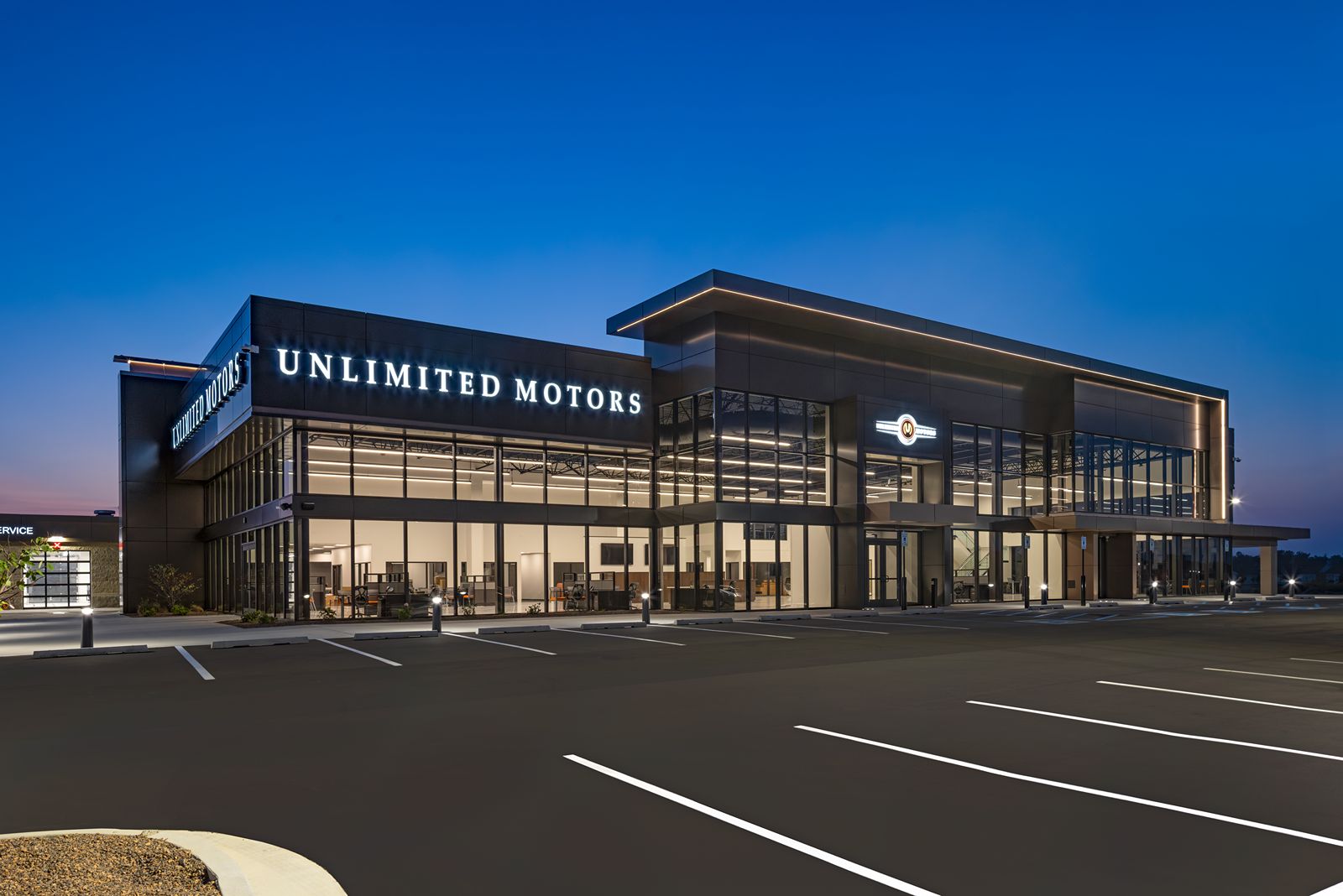
Auto Dealership Roofing
Dealership roofs cover showrooms, service bays, and parts storage; the priority is keeping a busy Milwaukee dealership open while leaks over inventory and customers get resolved.
Automotive Manufacturing Roofing in Milwaukee, WI
Auto-manufacturing roofs carry heavy process exhaust and constant rooftop traffic, so on these Milwaukee plants penetration flashings and membrane fatigue lead the assessment.
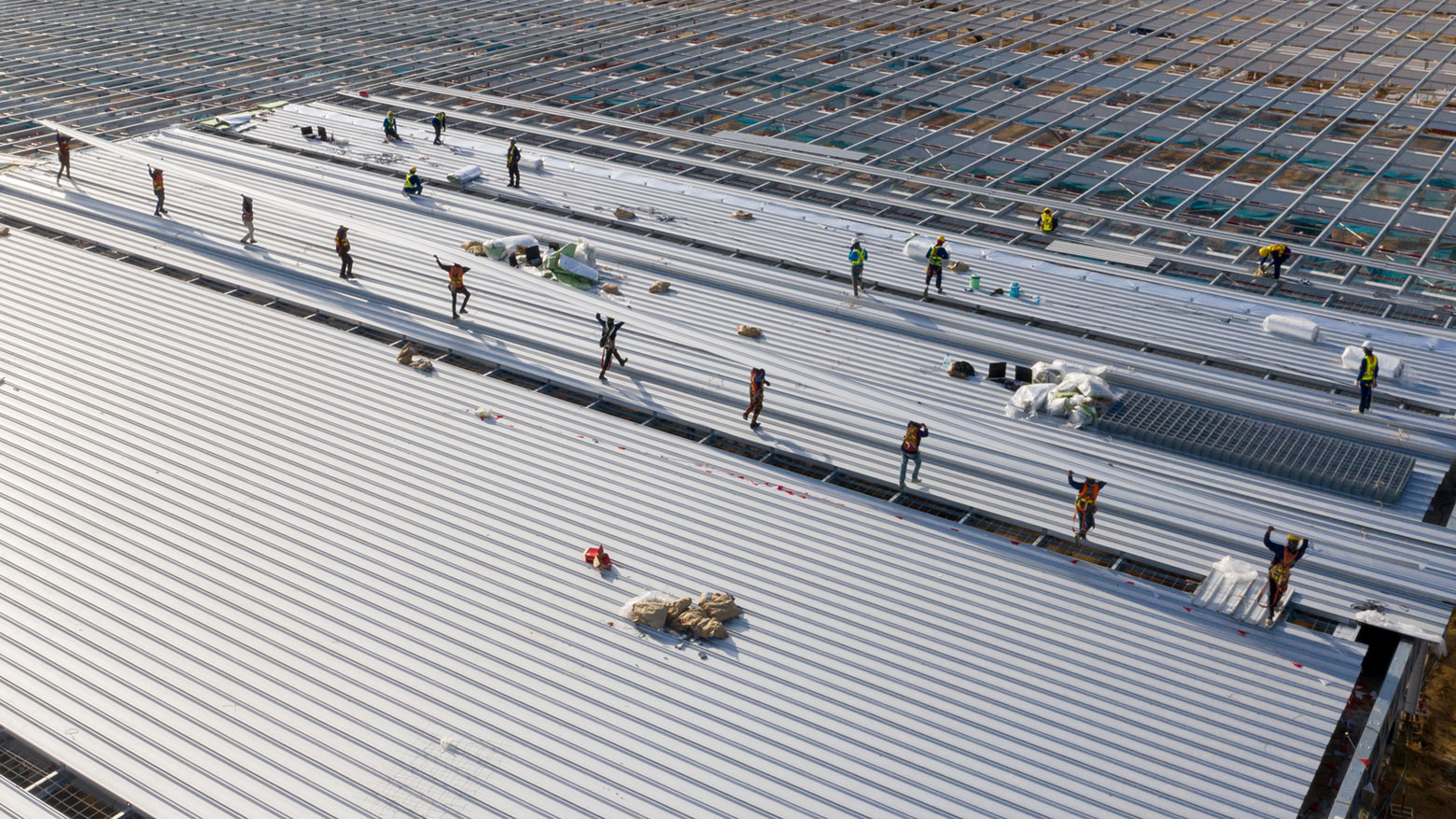
Architectural Sheet Metal in Milwaukee, WI
Custom copings, fascia, and edge metal fabricated to suit older Milwaukee facades and the wind coming off Lake Michigan, with profiles detailed so seams shed meltwater instead of trapping it.