
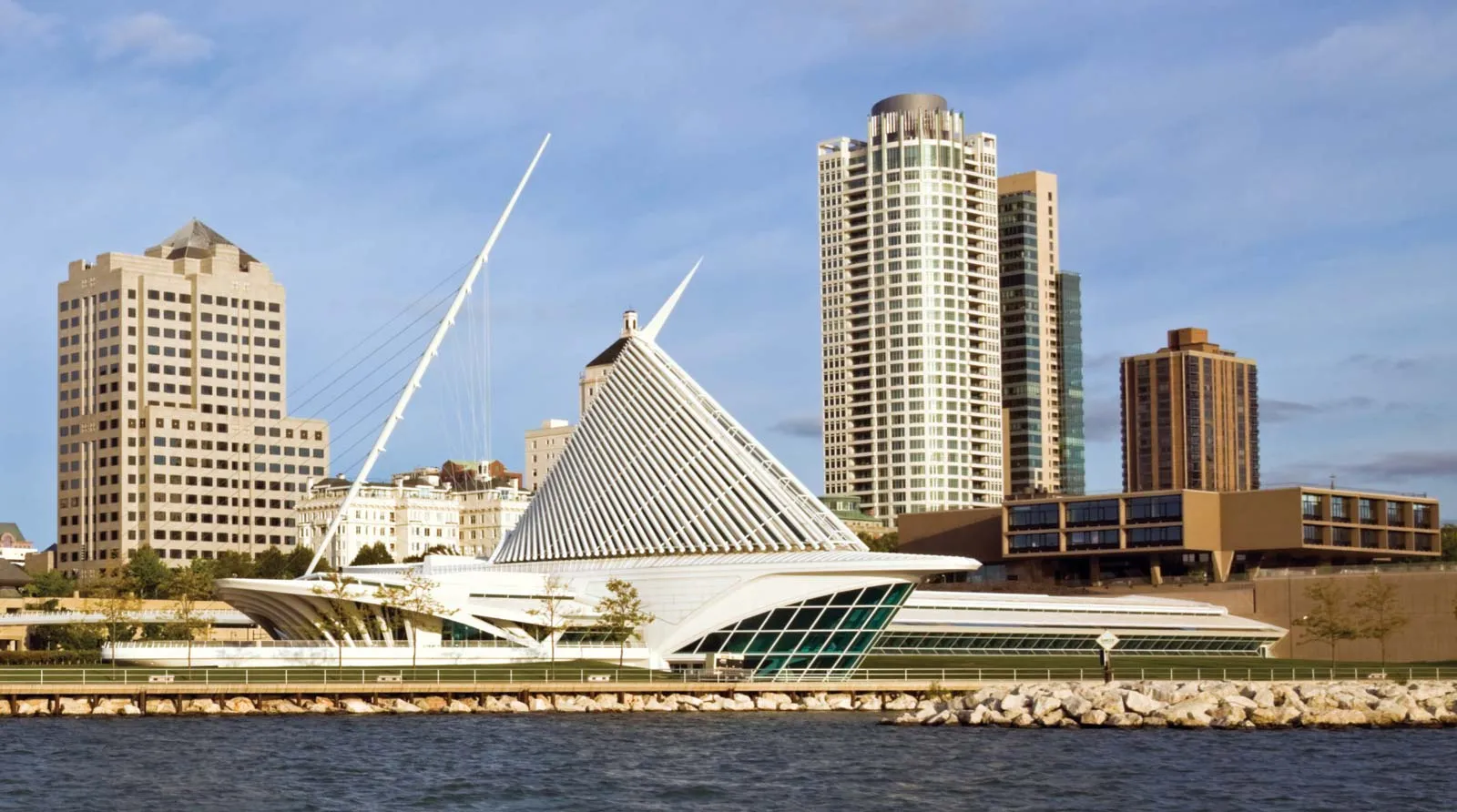
Parking Structure & Deck Waterproofing in Milwaukee, WI
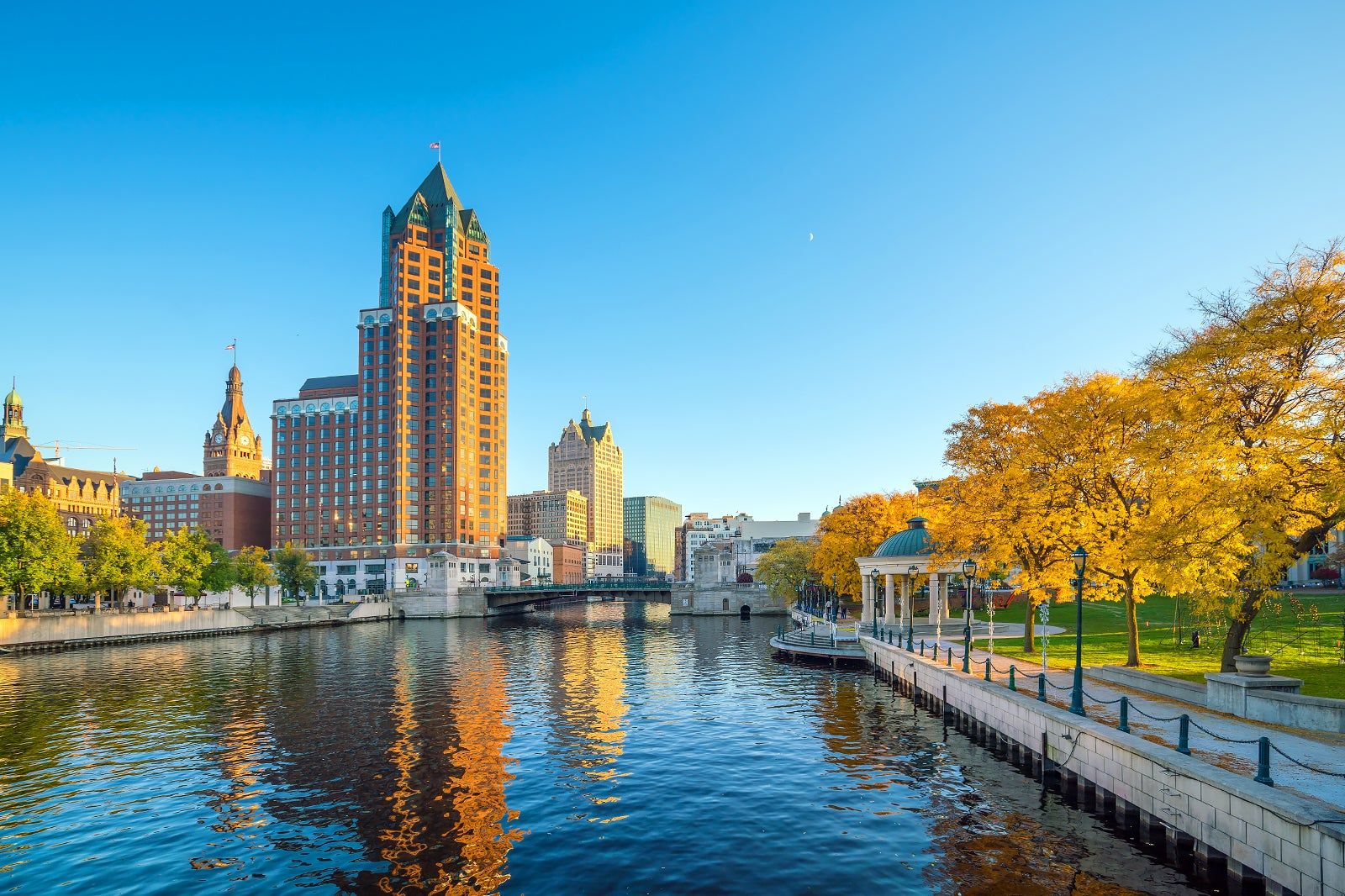
Commercial roofing for parking structure & deck waterproofing in Milwaukee, WI — specifications, scheduling, and project coordination for this building type.
Commercial roofing for parking structure & deck waterproofing in Milwaukee, WI — specifications, scheduling, and project coordination for this building type.
Parking structures are revenue-generating assets in Milwaukee, and their waterproofing program is a capital investment decision with a calculable return. A 500-space monthly-rate structure generating $200/month per space produces $100,000 in monthly revenue. The same structure with a failing deck that needs emergency closure for unplanned structural repair will lose that revenue plus pay 3-5x the cost of a timely waterproofing program for the structural repairs that correct waterproofing would have prevented. The ROI case for planned parking deck waterproofing in Milwaukee is not subtle.
The total cost of ownership for a parking structure in Milwaukee over a 30-year horizon is heavily shaped by the waterproofing program. A structure with a documented, consistently maintained waterproofing program extends its structural life to the full engineered design life — typically 50+ years for reinforced concrete. A structure with deferred waterproofing maintenance begins incurring structural repair costs within 15-20 years as chloride intrusion advances and rebar corrosion initiates. At that point, repair costs are 5-10x the waterproofing program cost, and the question is no longer maintenance vs. repair — it's repair vs. replacement.
Multi-structure parking portfolios in Milwaukee — hospital campuses, hotel chains, downtown mixed-use developers — benefit from a portfolio-level waterproofing program that schedules each structure on an inspection and replacement cycle based on condition, not on a uniform age-based schedule. Some structures age faster due to heavier traffic, more aggressive deicing chemical use, or less favorable drainage geometry. Portfolio condition assessment lets owners prioritize capital spending on the structures closest to failure rather than spreading budget uniformly across the portfolio.
Parking Structure Waterproofing — ROI Questions
Traffic-bearing membrane replacement on a standard parking deck in Milwaukee typically runs $15-25 per square foot depending on system selection and concrete condition. Structural deck repair after chloride-induced rebar corrosion — removing delaminated concrete, treating corroded rebar, and replacing concrete — runs $80-150 per square foot in the affected areas. A deck where 20% of the area requires structural repair before waterproofing can cost more to repair than it would have cost to re-waterproof the entire deck on schedule 5 years earlier.
Remaining service life assessment combines visual condition mapping, delamination sounding, core sample analysis for chloride content and carbonation depth, and a structural engineering review of any sections with visible rebar corrosion or spalling. The assessment produces a condition rating for each deck level and a projected failure timeline for sections approaching critical chloride threshold. That timeline drives the capital program schedule — not the year the last waterproofing was done.
Emergency closures — whether for structural failure, waterproofing membrane blow-off, or standing water safety hazards — result in immediate revenue loss for the structure's users (parkers go elsewhere and may not return), operational cost for the facility owner (temporary parking arrangements, emergency contractor mobilization), and reputational damage in markets where the parking structure serves a branded facility. A hospital that closes its main parking deck for emergency repair faces patient and visitor access disruption that creates reputational consequences far beyond the repair cost.
We start with a portfolio condition assessment across all structures in the ownership group. Each structure receives a condition score and a projected replacement year for each deck level. The capital program is built from those projections, prioritizing the highest-urgency sections and spreading investment to match the owner's annual capital budget capacity. For structures where multiple levels are approaching critical condition simultaneously, we develop an accelerated phasing option that reduces total program duration at higher annual cost.
Many commercial property insurers offer premium reductions for properties with documented capital maintenance programs that demonstrate proactive management of structural risk. A parking structure with a current waterproofing warranty, annual inspection records, and a documented capital program is a materially lower structural risk than one without. We recommend presenting the maintenance program documentation to your property insurer at renewal — the savings may partially offset the annual maintenance cost.
- Manufacturing Plant Roofing
- Hotel Hospitality Roofing
- Grocery Store Roofing
- Mixed Use Development Roofing
- Stadium Arena Roofing
- Healthcare Facility Roofing
- KEE Single Ply Roofing
- Emergency Tarp Dry
Share the roof address, current issue, photos if available, and any access limits. The response can be framed around inspection, repair, maintenance, coating review, or replacement planning.
Related roof pages
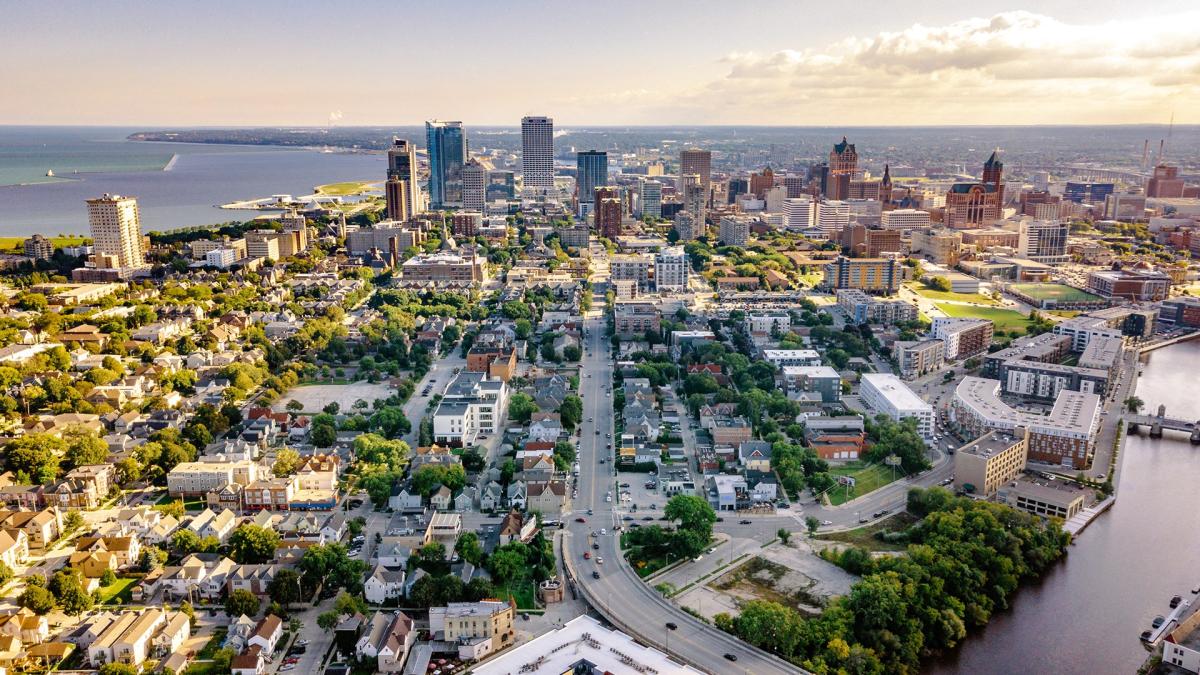
Commercial Roofing in Bayside, WI
Roofing for Bayside's offices and retail sits close enough to Lake Michigan that wind uplift and winter ice loading drive the inspection more than anything else.
Airport Terminal & Aviation Facility Roofing in Milwaukee, WI
Terminal and hangar roofs at Mitchell International and area airfields span huge areas under strict access rules, where drainage and wind uplift get more attention than almost anything else.
Multi-Family and Apartment Complex Roofing
Apartment complex roofs in Milwaukee shelter occupied units below and carry the ice-dam risk that low-slope multifamily invites, so work is staged to keep residents dry throughout.
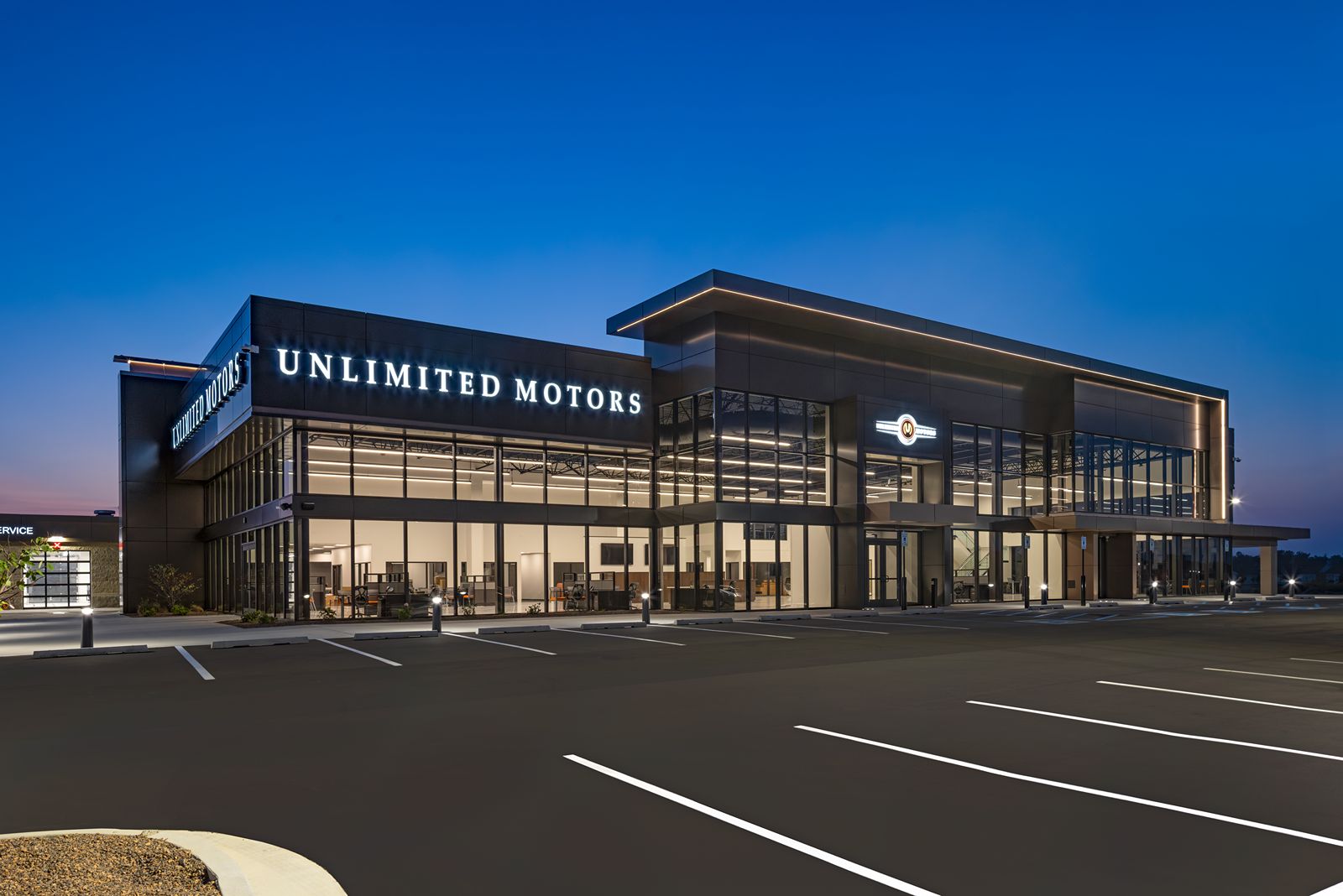
Auto Dealership Roofing
Dealership roofs cover showrooms, service bays, and parts storage; the priority is keeping a busy Milwaukee dealership open while leaks over inventory and customers get resolved.