
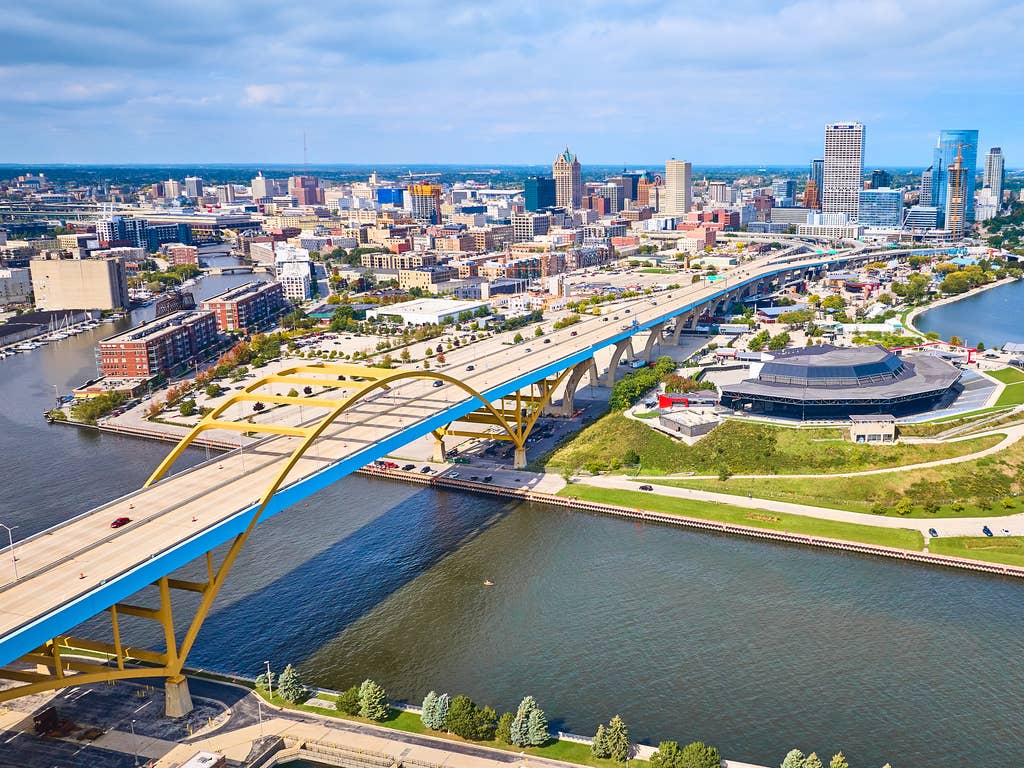
Food Processing Roofing in Milwaukee, WI
Roofing for Milwaukee food and beverage plants — washdown humidity, heavy rooftop refrigeration loads, USDA/FDA-acceptable materials, and phasing around production shifts.
Roofing for the food and beverage plants that run across Milwaukee — built for washdown humidity, heavy rooftop loads, and a production line that cannot stop.
Food plants are a Milwaukee specialty, and so are their roofs
This city was built on food and beverage. The brewing heritage is the famous part, but the working reality today is broader — meat processing in Cudahy, dairy and specialty food producers, bakeries, and the packaged-food operations tucked through the Menomonee Valley and the Granville and Menomonee Falls industrial parks. Wisconsin is a dairy state, which means a lot of these buildings move milk, cheese, and cold product through spaces that have to stay sanitary and cold at the same time. A roof over that kind of operation is a food-safety component, not just weather protection, and we scope it that way.
Washdown humidity is the quiet killer
Sanitation in a food plant means high-pressure hot-water and chemical washdown, often nightly. That sends warm, moist, chemically charged air straight up into the roof assembly. Combine it with a Milwaukee winter, when the vapor drive runs hard from a warm wet interior toward the cold outside, and you have a recipe for condensation forming inside the roof — corroding the steel deck and soaking the insulation with no leak ever appearing on the ceiling. The first thing we look at on a food plant is the vapor control and whether the existing assembly is set up to handle the moisture the building itself produces.
Refrigeration puts real weight and real heat on top
Cold processing drives heavy rooftop loads. Refrigeration condensers, evaporative units, large air handlers, and the piping that connects them concentrate weight and vibration on the deck, and they run year-round. Over a freezer room or a blast-chill area, the roof assembly also has to maintain the cold chain through the deck so the building does not fight its own refrigeration system. We design tapered insulation over refrigerated spaces around the actual operating temperatures and the local vapor-drive direction. Get that wrong and you get hidden condensation, deck corrosion, and a refrigeration system working overtime — all without an obvious symptom until something fails.
Not every material is allowed over a food line
USDA- and FDA-regulated spaces restrict what can go above a food-contact zone, and it is not only the membrane. White TPO and PVC single-ply are generally acceptable over enclosed processing areas, but the specific product and the adhesives, primers, and sealants in the flashing details all have to be confirmed against the plant's food-safety plan. A lot of standard roofing adhesives are solvent-based and simply are not acceptable over production. We confirm material acceptability with your QA team before anything goes on the roof.
The production schedule runs the project
Most food plants in this market run two or three shifts with one weekly sanitation window as the only time the line is truly down. Any work that opens the envelope over an active production area gets confined to that window, with your production and QA leads confirming the floor is clean and protected before we cut anything. We phase the job around your schedule — not the other way around — and we hold each section watertight before the next shift starts.
Wisconsin weather pushes the assembly hard
The local climate is part of every food-plant roof we design. Lake Michigan keeps the air damp, winters are long and well below freezing, and the shoulder seasons swing through repeated freeze-thaw cycles that work on seams, flashings, and any standing water left on the deck. Pair that outside load with the warm wet interior of a sanitation-heavy plant and the vapor pressure across the assembly is severe in both directions across the year. We size the insulation, set the vapor retarder, and detail the drainage for that specific push-pull, because an assembly that performs in a dry climate can trap moisture and rot the deck in a humid lakeside one. Snow load matters too — a flat food-plant roof in the Milwaukee area has to carry accumulation without ponding meltwater into the low spots, which is one more reason we lean on tapered insulation to keep water moving toward the drains.
What we look at on the first walk
Before we recommend anything, we want to understand the building as it actually operates. We pull core samples to confirm the existing layers, the moisture content, and the weight already in place; we map every rooftop penetration and the condition of each curb; we check the drain layout against the refrigeration loads below; and we look hard at the underside of the deck wherever access allows for the rust and staining that signal interior condensation. We also ask about the sanitation chemistry and the food-safety plan, since both drive material selection. That walk is what lets us hand you a scope that fits your plant instead of a generic membrane number that ignores how the building is used.
Common questions from plant managers
Can you use any membrane over a production area?
No. USDA- and FDA-regulated facilities require the membrane, adhesives, primers, and sealants to be confirmed acceptable for food-production use first. We identify your regulatory framework and clear materials with your QA team before specifying anything over a food-contact zone.
How do you schedule around a running plant?
We work with your facilities manager to use the weekly sanitation window and any planned shutdowns for work over the production floor. Work over refrigerated areas is coordinated with your refrigeration team so the cold chain is not disrupted.
How do you handle drainage over a freezer room?
Ponding over a freezer adds thermal load and corrodes the deck. We use tapered insulation to drive water to scuppers or interior drains and confirm the drainage design fits the refrigeration system below.
What if a leak happens during production?
A leak over an active line means immediate contact with your QA and facilities team for product-hold evaluation. Our emergency protocol for food plants includes 24-hour contact, priority temporary dry-in, and documentation support for your incident reporting.
Do you support USDA and FDA inspections?
Yes. Roof condition is a standard inspection item. We provide condition documentation and repair records your QA team can show inspectors to demonstrate proactive maintenance.
- Fast Food Qsr Roofing
- Cold Storage Roofing
- K12 School Roofing
- Data Center Roofing
- Car Wash Facility Roofing
- Church Roofing
- Occupied Building Reroofing
- Roof Recover Overlay
Share the roof address, current issue, photos if available, and any access limits. The response can be framed around inspection, repair, maintenance, coating review, or replacement planning.
Related roof pages
Commercial Roofing in Bayside, WI
Roofing for Bayside's offices and retail sits close enough to Lake Michigan that wind uplift and winter ice loading drive the inspection more than anything else.
Airport Terminal & Aviation Facility Roofing in Milwaukee, WI
Terminal and hangar roofs at Mitchell International and area airfields span huge areas under strict access rules, where drainage and wind uplift get more attention than almost anything else.
Multi-Family and Apartment Complex Roofing
Apartment complex roofs in Milwaukee shelter occupied units below and carry the ice-dam risk that low-slope multifamily invites, so work is staged to keep residents dry throughout.
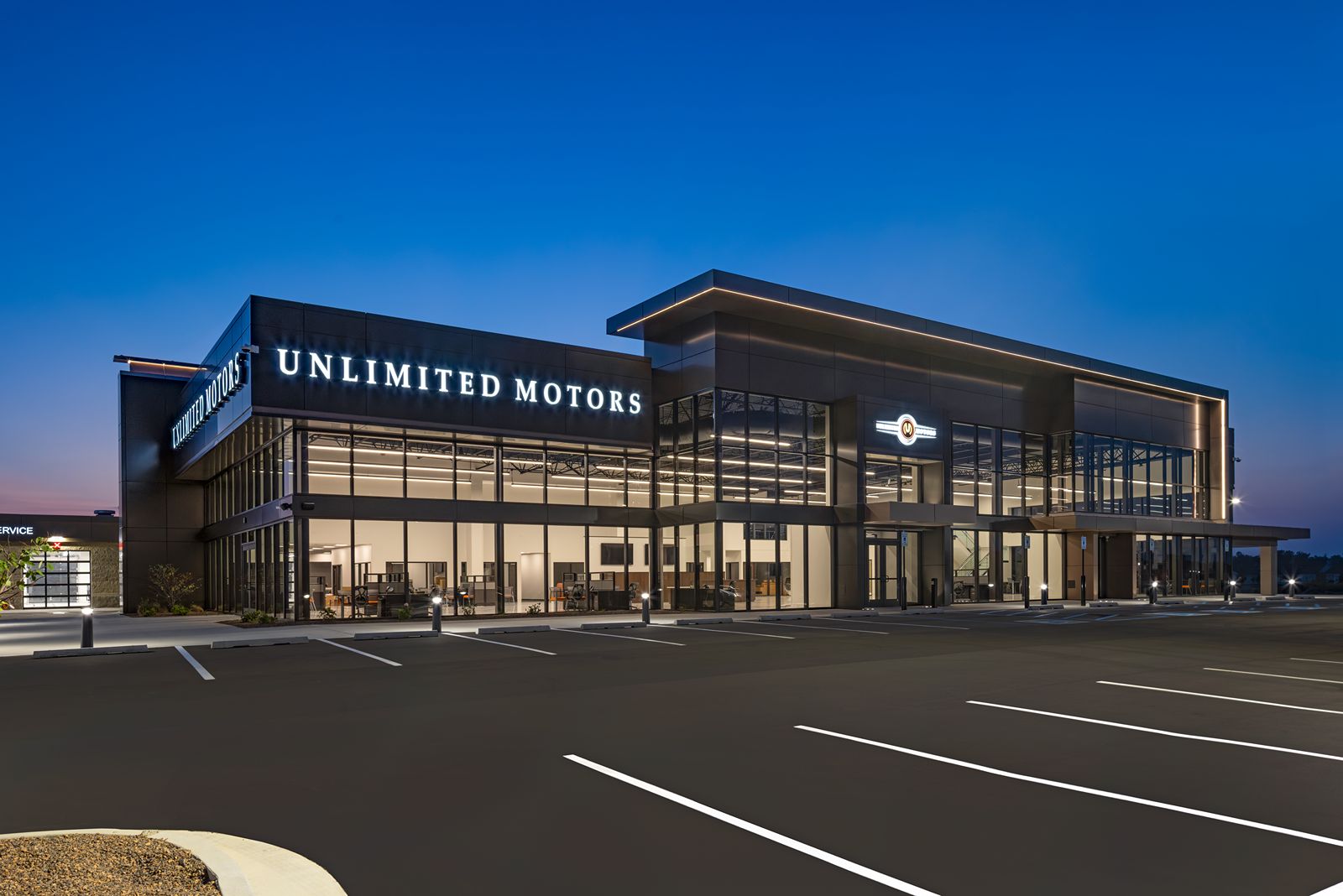
Auto Dealership Roofing
Dealership roofs cover showrooms, service bays, and parts storage; the priority is keeping a busy Milwaukee dealership open while leaks over inventory and customers get resolved.