

Fitness Center & Gym Roofing in Milwaukee, WI
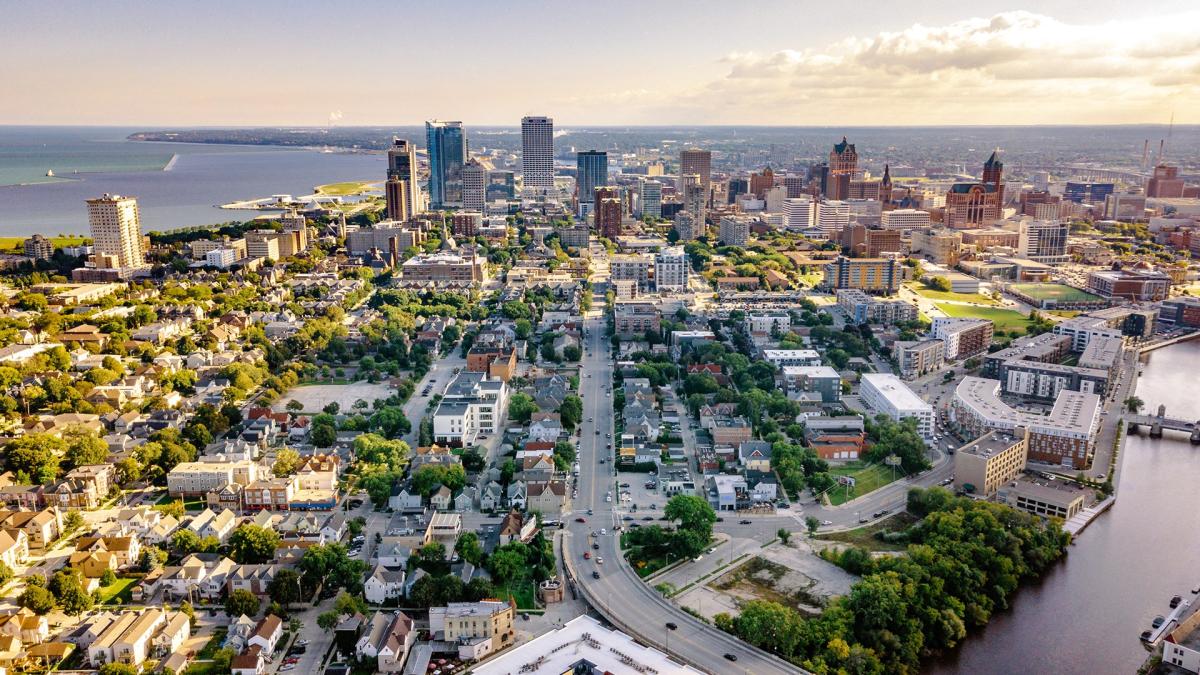
Roofing for gyms and fitness centers in Milwaukee, WI — large open spans, dense rooftop HVAC for high occupancy, and interior humidity handled in the assembly.
Roofing for Milwaukee gyms and fitness clubs — wide-open spans, a roof crowded with HVAC, and humidity that has to be managed from the inside out.
The moisture problem comes from inside the building
Most gym owners in Milwaukee call us about a stain on the ceiling tile and assume the membrane has failed. Often it has not. The water is coming from their own building — showers, the sauna, the hot tub, a busy group-fitness room full of people — pushing warm, wet air up against the underside of the roof until it condenses inside the insulation. You can install a flawless membrane on top and still get drips below if the vapor control and air barrier inside the assembly are wrong for this climate. That is the first thing we sort out on any fitness center roof here, and it is the thing generic commercial roofers skip.
Milwaukee's cold makes it worse. When it is single digits outside and the building is warm and humid inside, the temperature swing across the roof assembly is enormous, and the dew point lands somewhere in the middle of your insulation. We position the vapor retarder for that gradient deliberately. Get it wrong and the R-value is soaked and useless inside a few seasons; get it right and the assembly stays dry through the worst of a lakefront winter.
A roof that's mostly equipment
Fitness buildings carry far more rooftop mechanical than their footprint suggests. A big open training floor needs high-volume air handling just to keep up with the carbon dioxide and heat that a packed evening class throws off. Then add dedicated exhaust for the locker rooms, the spin studio, the pool if there is one, and the makeup air to balance it. The penetration count per thousand square feet on a gym roof routinely runs two to three times what we see on a comparable retail box. Every one of those curbs and stacks is a place water wants in, and standard flashing details are not built for the humidity these buildings generate around them.
We inventory all of it before we price the job — every curb, its height, its clearance — because undersized or buried curbs are the most common defect we find on older Milwaukee gyms, including the converted retail and industrial spaces along the 30th Street corridor and out in the suburban retail strips of Brookfield and Greenfield where so many clubs land. Curbs that don't meet the manufacturer's minimum height get raised as part of the scope so the warranty actually holds.
You're open when we'd rather be working
The national brands and independents alike — Planet Fitness, the Wisconsin Athletic Clubs, the Y locations, the boutique studios near downtown and on the East Side — tend to run from before dawn to late at night, often every day of the year. There is no tidy maintenance window. We build the schedule around your actual open hours and your pool-chemical deliveries and HVAC service windows, concentrate the loud tear-off into approved blocks, and confirm in writing every evening that the roof is dry before your morning crowd arrives. That coordination is part of the scope, not a surprise change order later.
- 60-mil fully adhered TPO or PVC where there's a pool, sauna, or steam room — the adhered system drops the fastener field and resists vapor better at the membrane
- 60-mil mechanically attached TPO on dry, conventional clubs where it's the more economical right answer
- A corrected vapor retarder and air barrier positioned for Milwaukee's climate zone, not a template
- Re-flashed and properly heightened HVAC curbs across the whole dense penetration field
Documentation that fits how clubs are run
Whether you are an independent owner or a regional operator reporting into corporate facilities, you get the same closeout: permit and final inspection, manufacturer warranty registration, a roof zone diagram with the full penetration inventory, a drain and flashing inspection record, and photos of every detail. For chain locations we format it to drop straight into the corporate facilities system. The point is a roof that handles your building's real humidity and equipment load, and a paper trail your asset manager can actually use.
Why we core before we recommend anything
When a gym already has stains and a tired-looking roof, the cheap instinct is to recover over the top and move on. On a fitness building that is often exactly the wrong move, because the damage that matters is hidden inside the assembly where humidity has been condensing for years. We core the roof and run a moisture survey first. If we recover over insulation that is already wet, we have sealed the moisture in, the R-value stays gone, and the staining keeps coming — now under a brand-new membrane the owner just paid for. Where the survey shows widespread saturation, especially over the pool and locker zones, a tear-off back to a sound deck with a corrected vapor strategy is the only honest path. Where the insulation is genuinely dry, a recover with a new cover board can make sense. The point is to decide it on what the cores show, not on the lowest number.
This matters more in Milwaukee than in a mild climate because the freeze-thaw cycle works trapped moisture hard. Water sitting in the insulation freezes, expands, and degrades both the boards and the fasteners over a single bad winter off the lake, so a misdiagnosed recover here fails faster than the same mistake would somewhere warm.
Big flat roofs are where solar and added load end up
A gym's roof is a large, mostly unobstructed flat plane, which makes it an obvious candidate for rooftop solar, additional HVAC as a club expands its group-fitness offerings, or new makeup-air equipment when a pool gets added. Every one of those is added weight and added penetrations on a roof that may not have been designed with the headroom for them. Before anyone sets a single new unit or rail, the deck's load capacity has to be confirmed and the attachments detailed so they do not become the next leak. We coordinate that evaluation as part of the roofing scope rather than letting a separate solar or mechanical contractor punch holes in a fresh membrane and void the warranty. If a club is planning to add equipment in the next few years, the smart move is to specify the roof and its attachments with that future load in mind now.
The membrane looks fine but we still get leaks — why? On fitness buildings that almost always points to interior vapor drive condensing inside the assembly. We survey for trapped moisture and fix the vapor and air-barrier design, not just the surface.
Can you avoid disrupting early-morning and late-night hours? Yes. We schedule loud work into windows the building team approves and guarantee daily dry-in before you reopen.
Do you deal with all the rooftop units, or just the roof around them? Curb flashing is part of our scope. We document and re-flash every curb and raise any that are too short to meet warranty requirements.
- Airport Terminal Roofing
- Veterinary Clinic Roofing
- Big Box Retail Roofing
- Government Municipal Roofing
- Senior Living Facility Roofing
- Roof Drains Scuppers
- Retail Roofing
- Built Up Roofing
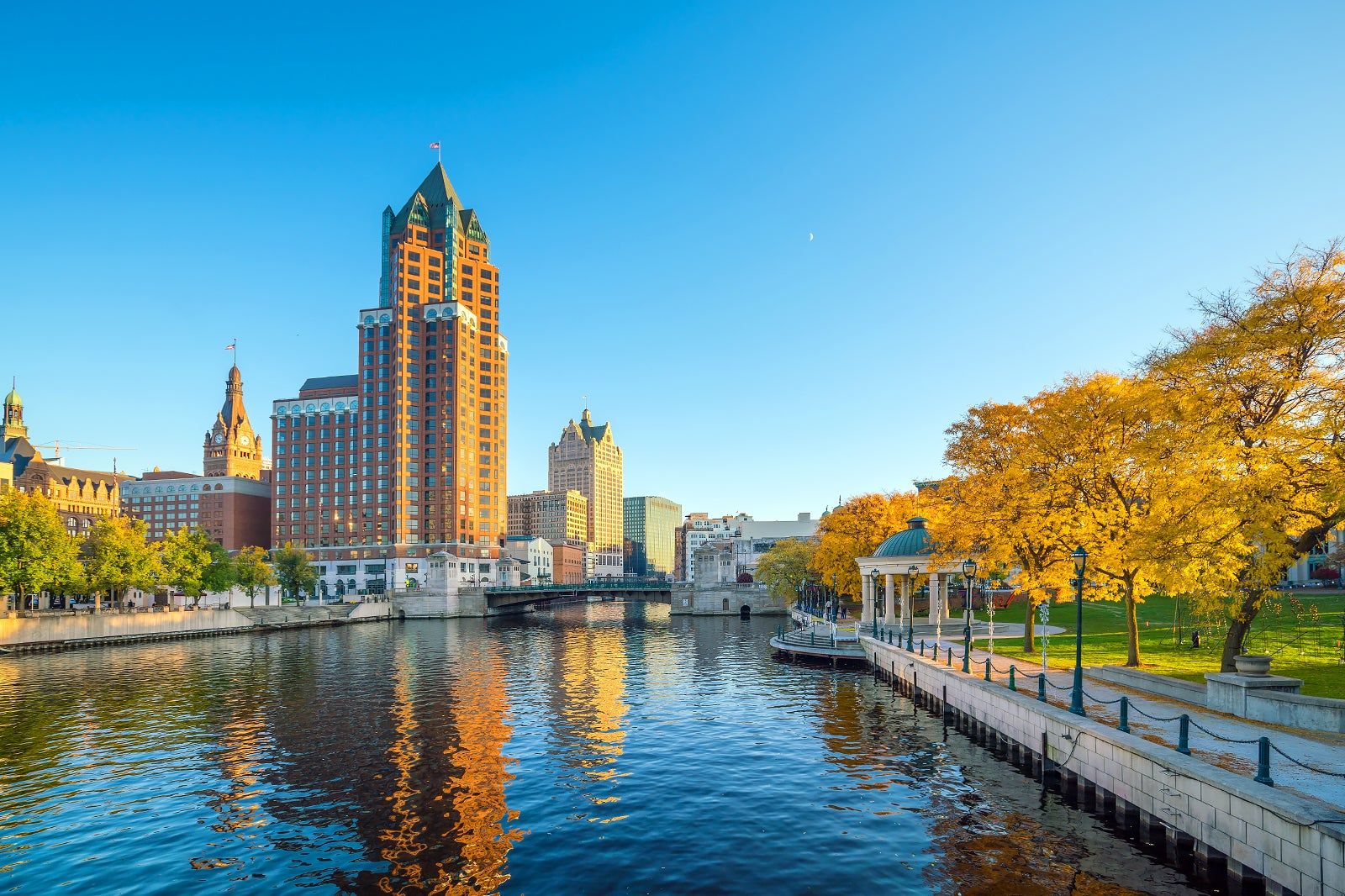
Share the roof address, current issue, photos if available, and any access limits. The response can be framed around inspection, repair, maintenance, coating review, or replacement planning.
Related roof pages
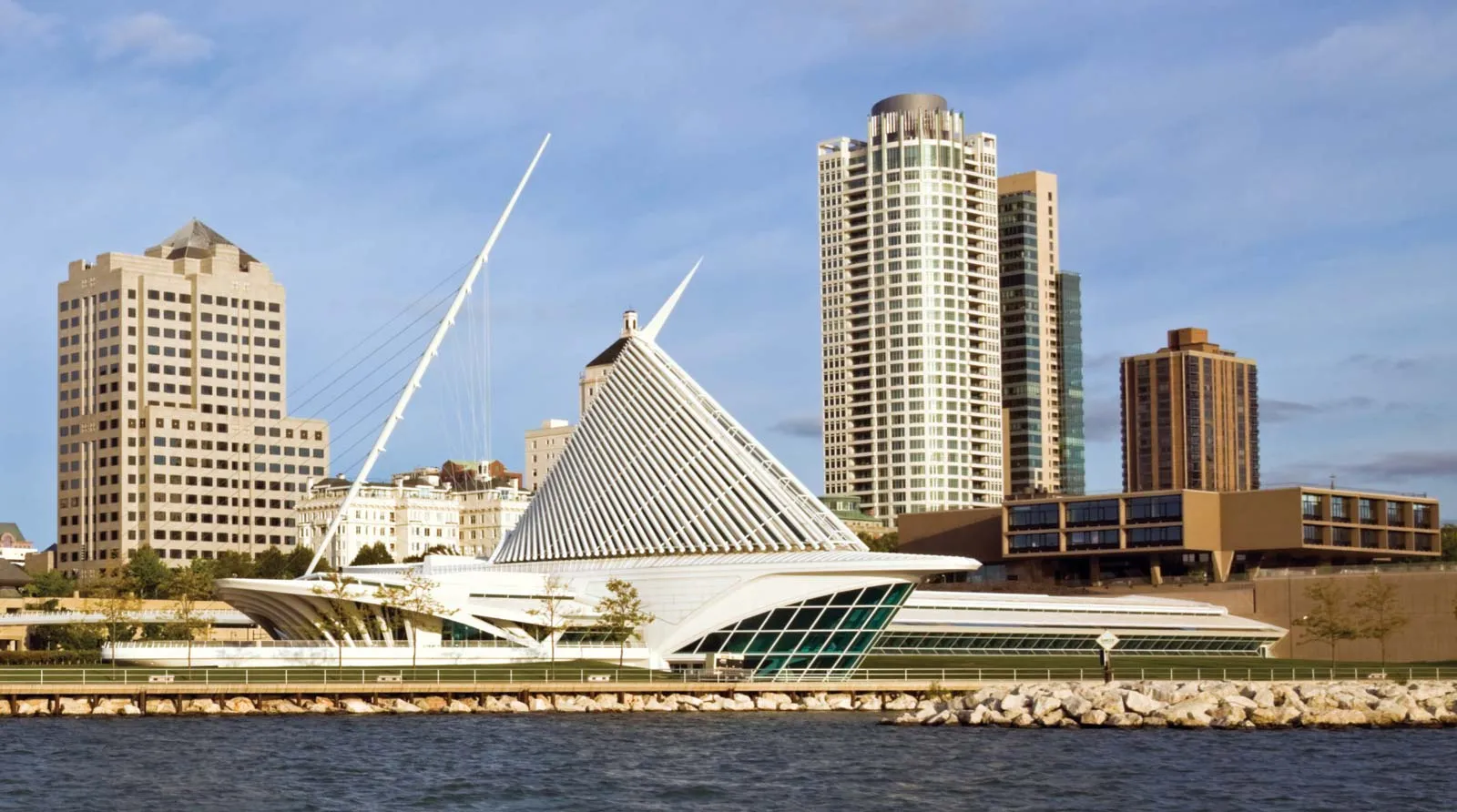
Multi-Family and Apartment Complex Roofing
Apartment complex roofs in Milwaukee shelter occupied units below and carry the ice-dam risk that low-slope multifamily invites, so work is staged to keep residents dry throughout.
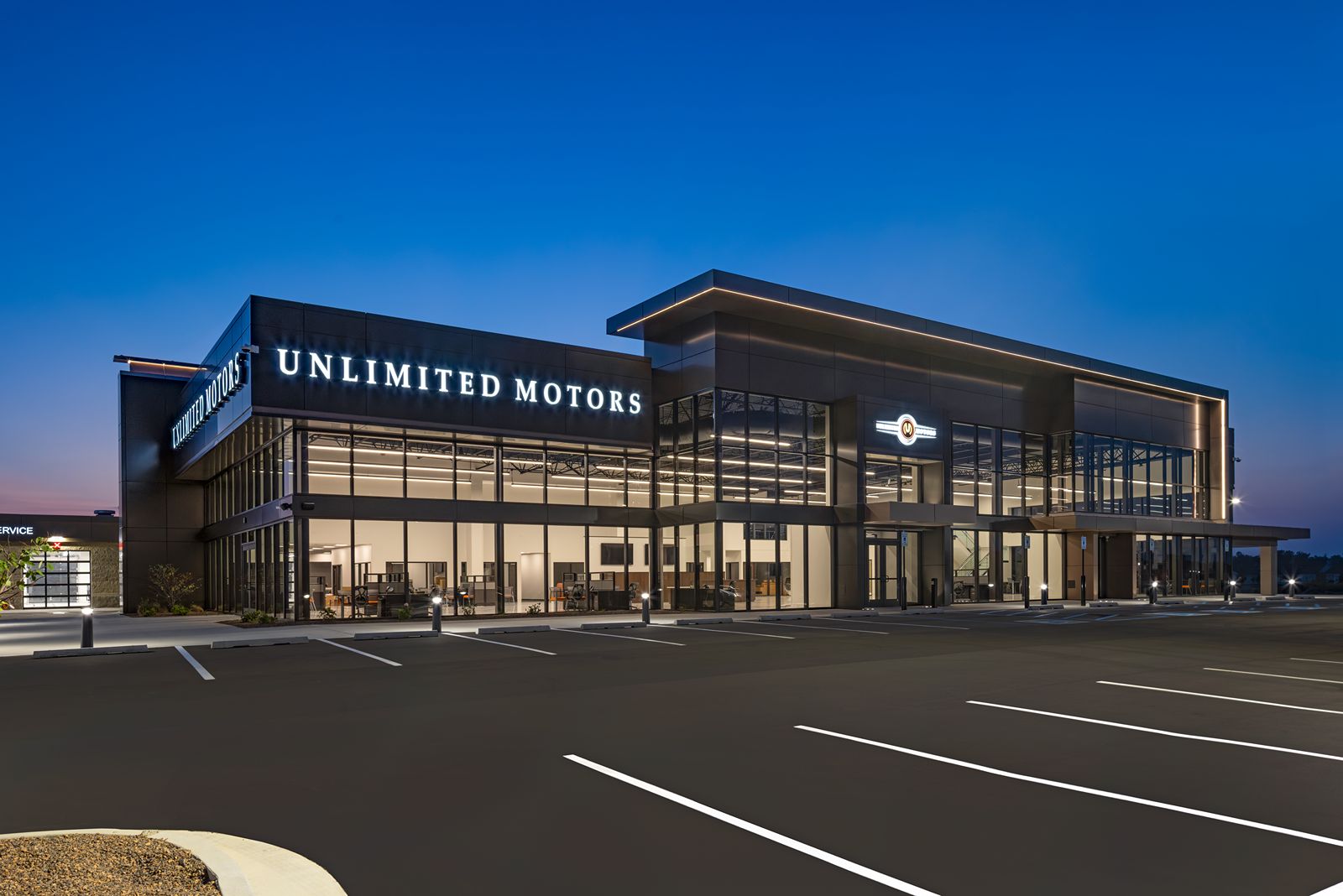
Auto Dealership Roofing
Dealership roofs cover showrooms, service bays, and parts storage; the priority is keeping a busy Milwaukee dealership open while leaks over inventory and customers get resolved.

Automotive Manufacturing Roofing in Milwaukee, WI
Auto-manufacturing roofs carry heavy process exhaust and constant rooftop traffic, so on these Milwaukee plants penetration flashings and membrane fatigue lead the assessment.
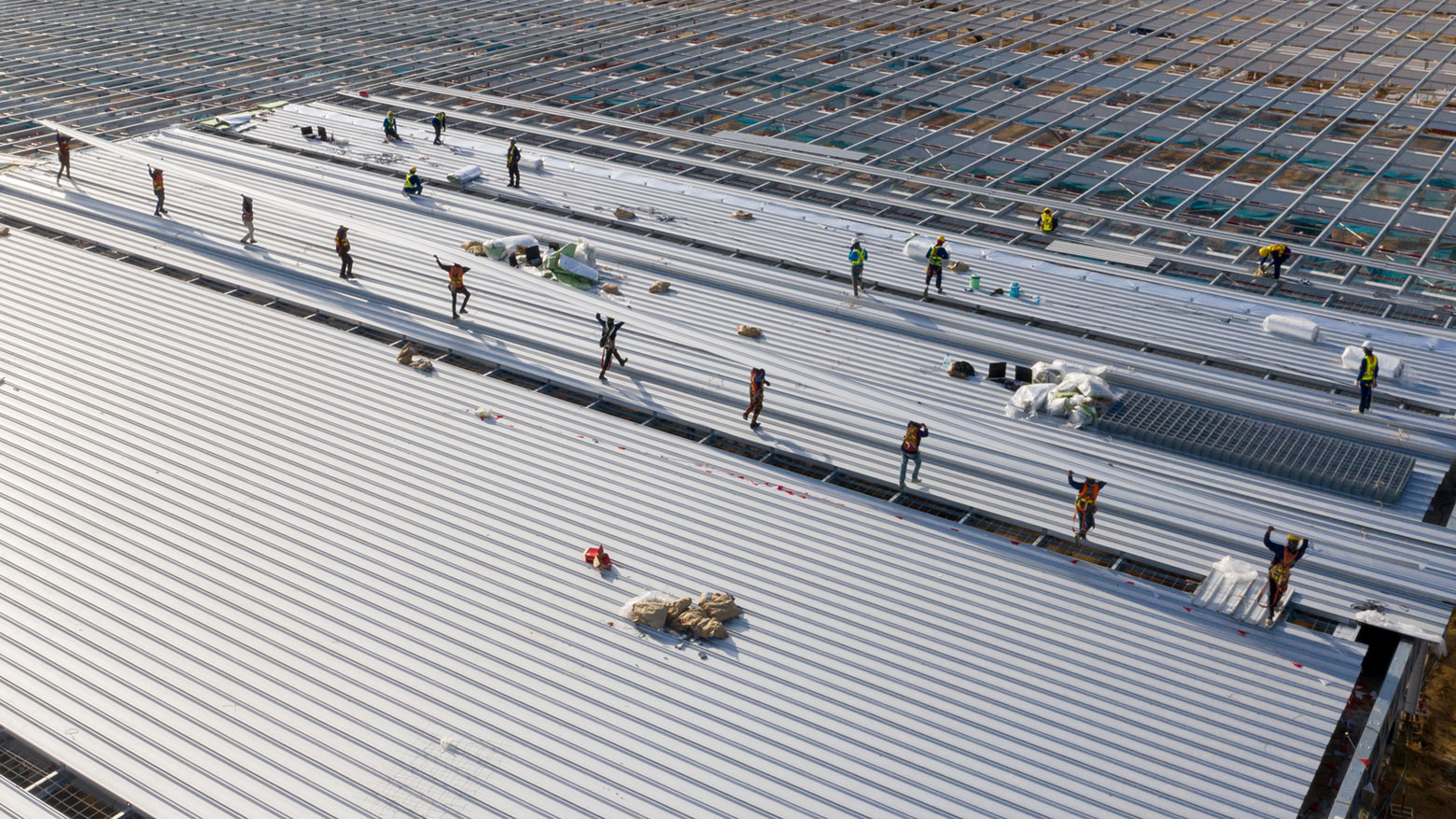
Architectural Sheet Metal in Milwaukee, WI
Custom copings, fascia, and edge metal fabricated to suit older Milwaukee facades and the wind coming off Lake Michigan, with profiles detailed so seams shed meltwater instead of trapping it.