
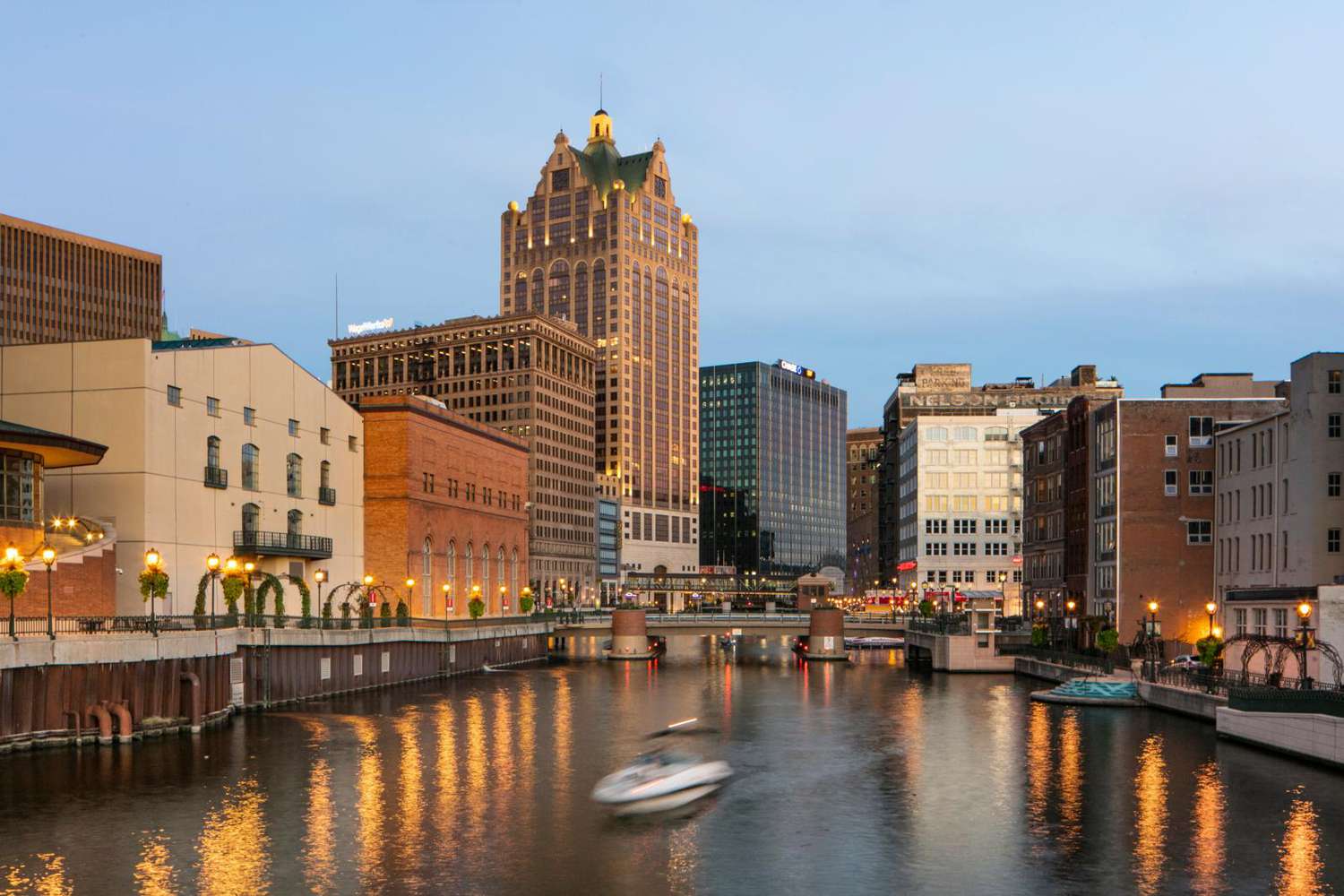
Car Wash Roofing in Milwaukee, WI
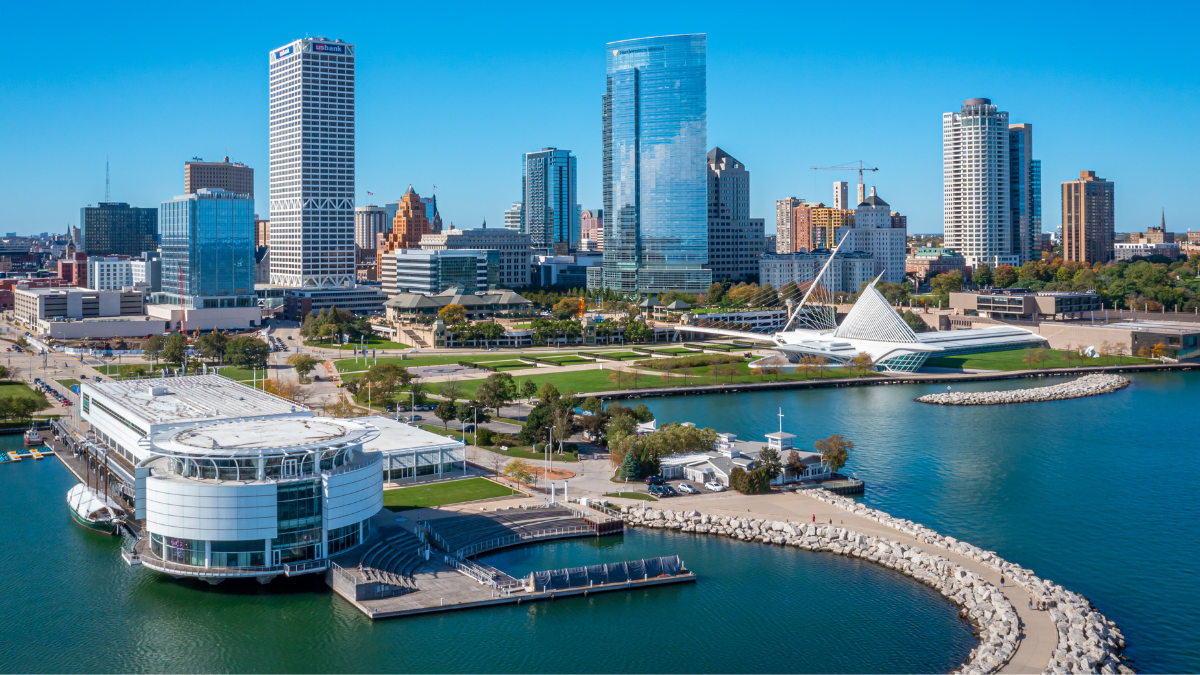
Roofing for Milwaukee car wash tunnels, in-bay autos, and vacuum canopies — chemical-resistant membranes built for constant interior humidity and detergent vapor.
Chemical-resistant roofing for car wash tunnels, in-bay autos, and vacuum canopies across the Milwaukee area.
The roof on a car wash gets attacked from both sides
A car wash is one of the few commercial buildings where the deck takes punishment from above and below at the same time. Snowmelt, ice, and the freeze-thaw cycles that define a Milwaukee winter work on the membrane from the outside. Underneath, the wash bay produces a constant cloud of warm, chemically loaded humidity that rises into the deck, the fasteners, and the underside of the insulation. We build car wash roofs for that double exposure, because the operators along Bluemound Road, National Avenue, and the Highway 100 corridor in Wauwatosa and Greenfield run hot water and presoak chemistry twelve months a year, and the roof never gets a dry season.
That interior vapor is the part most contractors underestimate. The presoaks, wheel cleaners, drying agents, and triple-foam waxes used in a modern express tunnel turn into airborne particulate during every cycle. It condenses on the underside of a steel deck and on every fastener head, and over a few winters it corrodes attachment points from the inside out — long before anything shows up as a stain on the ceiling. A roof that looks fine from the parking lot can be losing its pull-out strength where you cannot see it.
Tunnel bays, in-bay autos, and self-serve all roof differently
We do not treat every wash the same. An express exterior tunnel running the full chemical menu has the most aggressive vapor load and needs the most chemically tolerant membrane and the tightest vapor control under the deck. An in-bay automatic generates less continuous steam but tends to have drainage problems directly over the equipment room, where ponding sits and works at the seams. Self-serve bays with open ends move a lot of air but leave the structure exposed to wind-driven spray at the eaves. Before we quote anything, we want to know your equipment layout and your chemical program, because both change the specification.
Why we lean toward PVC over the wash zone
For the membrane directly over an active tunnel, we usually specify a fully adhered PVC system rather than TPO or EPDM. PVC holds up better against the alkaline detergents and solvent-based tire and wheel products that car wash chemistry relies on, and a fully adhered installation removes the membrane flutter and the dense fastener field that mechanical attachment puts right in the path of rising corrosive vapor. Just as important, we confirm with the manufacturer that your specific chemical program is covered, because most standard single-ply warranties carry a chemical-exposure exclusion that voids coverage on a car wash unless you ask for the right system up front.
Vacuum canopies and the transitions nobody flashes right
The vacuum islands and the customer canopies on the exit side are a separate roof with separate problems. They take vehicle exhaust, overspray from tire dressing, and the full thermal swing of being outdoors through a Wisconsin winter. The single most common leak we find on Milwaukee express washes is the transition where a canopy ties back into the main building, and the canopy drains that dump straight onto the lower roof. We treat every one of those connections as its own detail, not as an afterthought tacked onto the building scope.
Working around a wash that never closes
Most washes in this market run seven days a week through the busy salt season, so we sequence the work around your hours instead of asking you to shut down. Tunnel-roof work happens in the early-morning or late-evening window when the line is down; building, equipment-room, and canopy work can usually proceed during operating hours with the crew staged clear of the customer drive. We confirm the plan with you before we mobilize so there are no surprises at the entrance.
Drainage and the Milwaukee freeze-thaw problem
A car wash roof faces a drainage challenge that most flat roofs do not. The same interior steam that corrodes the deck also condenses on cold equipment and adds to the moisture load, and outside, the freeze-thaw swings of a Wisconsin winter turn any standing water into ice that wedges seams open and works at the flashings. Ponding over a wash bay is doubly bad because the water sitting there is often slightly chemical-laden from condensed vapor. We address drainage as part of every car wash roof — adding slope with tapered insulation where the deck sits flat, keeping drains and scuppers clear, and detailing the low points so water leaves the roof instead of freezing in place over the equipment that keeps you open.
Catching problems before they reach the tunnel below
The expensive failures on a car wash are the ones you cannot see from the parking lot — corroded fasteners losing their grip, insulation quietly saturating, a flashing detail at an exhaust curb starting to lift. By the time water is dripping onto the wash equipment or the dryer motors, the damage in the assembly is already well advanced. We set up periodic inspections built around the realities of a wash: checking the underside of the deck for corrosion wherever access allows, looking hard at every exhaust and HVAC penetration, and verifying the chemical-zone membrane and seams are holding. Catching a small problem on a car wash roof is the difference between a quick repair and a tunnel shutdown during your busiest salt-season week, and on a building that runs every day, that uptime is the whole point.
Common questions from car wash owners
What membrane do you put over the tunnel?
Most often a 60-mil PVC, fully adhered or fleece-back, over the active wash bay. PVC resists the alkaline detergents and wax compounds that degrade TPO and EPDM over time, and the adhered installation keeps fasteners out of the corrosive vapor path. The equipment room, lobby, and canopy areas can run standard TPO or PVC depending on exposure.
Will chemical exposure void my warranty?
It can, if the wrong system is installed. Standard single-ply warranties typically exclude chemical exposure. We confirm with the manufacturer that your chemical program is compatible and that the warranty covers your actual operating conditions before we specify anything — and we pursue a chemical-exposure or car-wash-specific warranty where the manufacturer offers one.
How do you handle the steam exhaust fans?
Tunnels run high-volume fans to clear steam and vapor, and those penetrations need oversized curbs and flashing built for continuous airflow and chemical contact. We detail each one individually rather than using a generic curb wrap that will fail at the first hard winter.
Can you work while we stay open?
Yes. We schedule tunnel-roof work around your closed window and keep external and canopy work clear of the customer drive during business hours, with traffic control as needed.
Do you cover the vacuum and customer canopies?
Yes. Canopy membrane and metal panel work, gutters and downspouts, and the canopy-to-building flashing are all part of how we scope a car wash roof — they are usually where the leaks actually start.
- Daycare Childcare Roofing
- Distribution Center Roofing
- Apartment Complex Roofing
- Religious Facility Roofing
- Industrial Flex Space Roofing
- Industrial Roofing
- Government Building Roofing
- Standing Seam Metal Roofing
Share the roof address, current issue, photos if available, and any access limits. The response can be framed around inspection, repair, maintenance, coating review, or replacement planning.
Related roof pages
Multi-Family and Apartment Complex Roofing
Apartment complex roofs in Milwaukee shelter occupied units below and carry the ice-dam risk that low-slope multifamily invites, so work is staged to keep residents dry throughout.
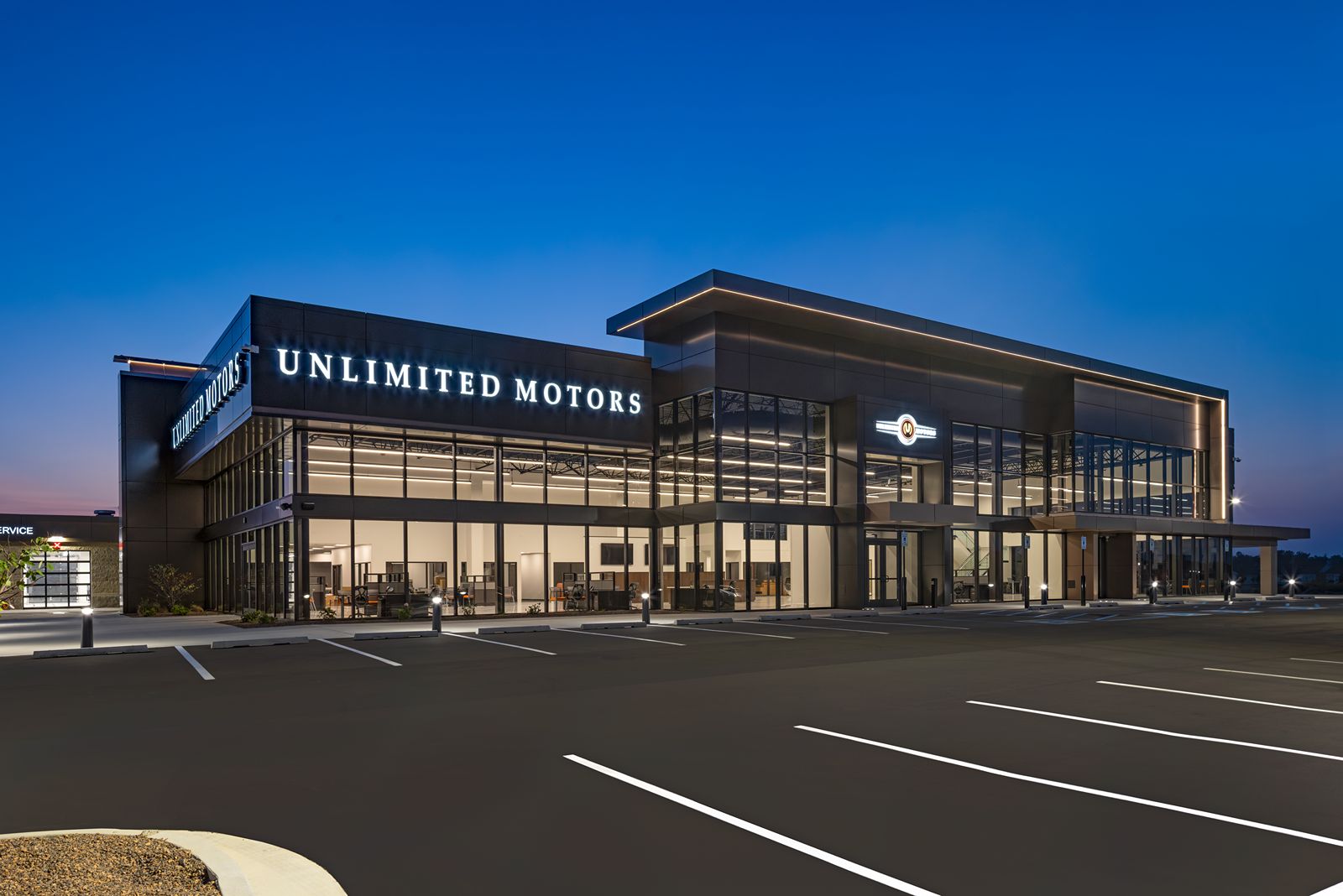
Auto Dealership Roofing
Dealership roofs cover showrooms, service bays, and parts storage; the priority is keeping a busy Milwaukee dealership open while leaks over inventory and customers get resolved.
Automotive Manufacturing Roofing in Milwaukee, WI
Auto-manufacturing roofs carry heavy process exhaust and constant rooftop traffic, so on these Milwaukee plants penetration flashings and membrane fatigue lead the assessment.
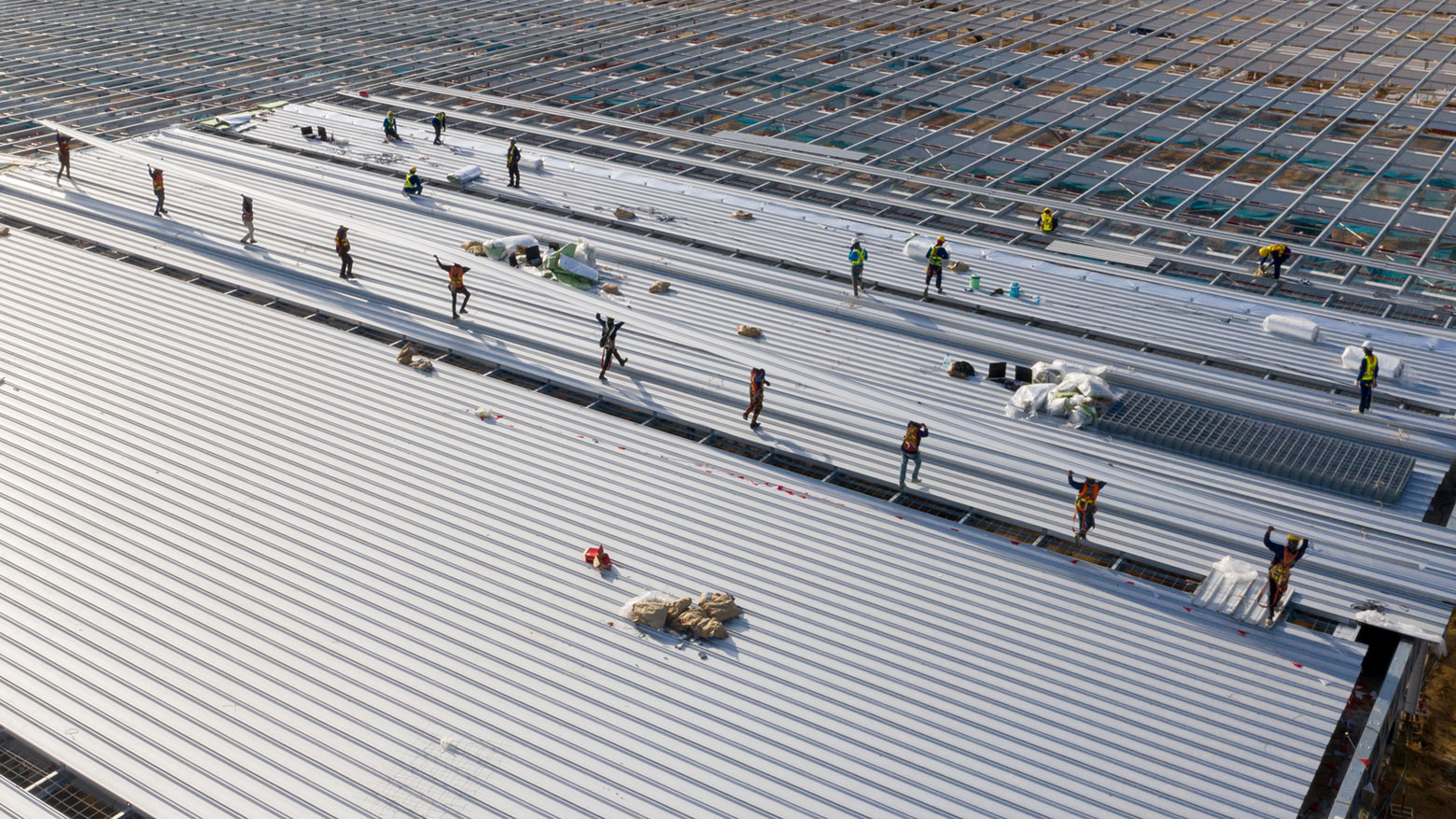
Architectural Sheet Metal in Milwaukee, WI
Custom copings, fascia, and edge metal fabricated to suit older Milwaukee facades and the wind coming off Lake Michigan, with profiles detailed so seams shed meltwater instead of trapping it.