
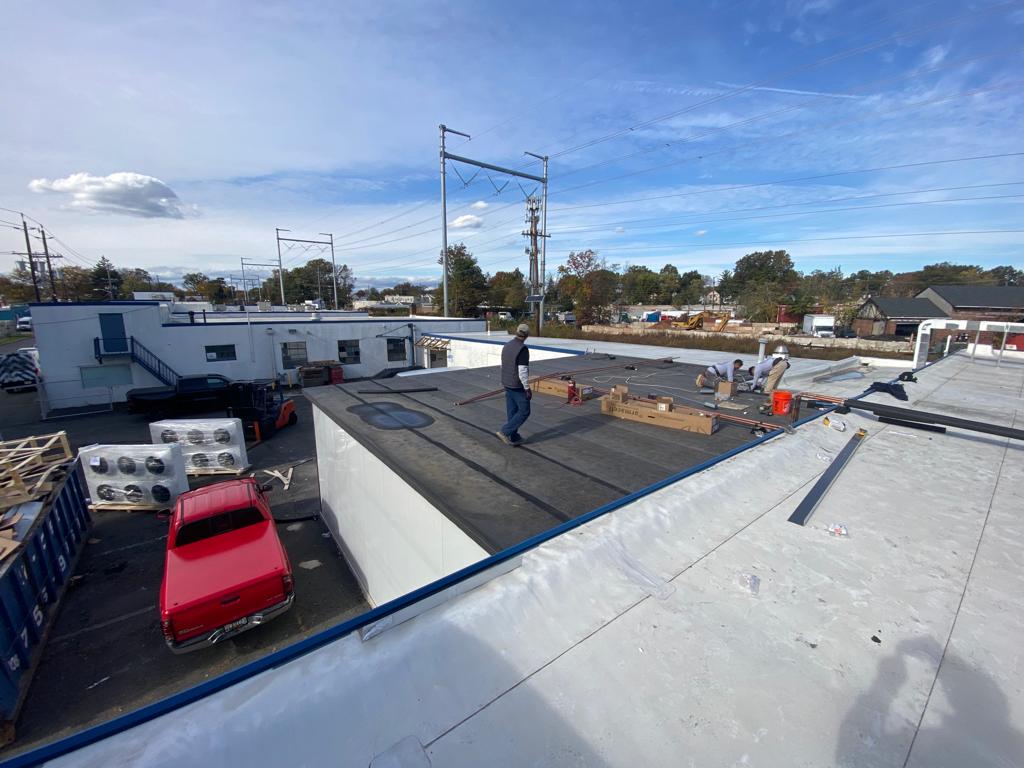
Food Processing and Cold Storage Roofing in Milwaukee, WI
Roofing for food processing plants, cold storage facilities, and distribution centers throughout Milwaukee, WI.
Automotive and Mobility Supply Chain scopes are written for OEM, supplier, engineering, and mobility facilities.
Milwaukee's food processing heritage is woven into the city's industrial identity, and the commercial cold chain infrastructure serving the region remains substantial and economically significant. Roundy's Pick 'n Save distribution centers anchor the grocery supply chain for one of the Midwest's major supermarket networks, moving refrigerated and frozen products through high-throughput distribution facilities that serve stores across Wisconsin and neighboring states. Klement's Sausage has operated in Milwaukee since 1956, producing specialty sausage products from a facility that combines cooked and raw meat processing with refrigerated storage and distribution operations. Milwaukee's cold chain corridor — running along the major industrial parkways and rail corridors through the city's south and west sides — supports a food distribution infrastructure that supplies both regional retail and food service customers. Commercial roofing for these facilities must meet the dual standards of building performance in Wisconsin's demanding climate and food safety compliance in a highly regulated processing and distribution environment.
Milwaukee's cold chain roofing environment combines cold-climate vapor management challenges with the specific moisture loads generated by food processing operations. Inside a sausage production facility like Klement's, the combination of cooking steam, wash water, ammonia refrigeration, and product cooling creates a warm, saturated interior air environment that drives intense outward vapor pressure in winter conditions. When exterior temperatures drop below -10°F — which Milwaukee experiences regularly during cold snaps — the vapor pressure differential across the roofing assembly can be extreme. Any gap in the vapor retarder on the interior side of insulation allows moisture-laden air to enter the assembly where it condenses and freezes within insulation layers, degrading R-value and creating structural ice loading at the deck level.
Roundy's Pick 'n Save distribution operations create a large-format cold chain roofing demand that reflects corporate standards developed across a regional distribution network. Temperature-controlled distribution centers must maintain refrigerated (34–38°F) and frozen (-10°F or colder) zones across large building footprints, with roofing systems that manage the thermal and vapor performance requirements of each zone. The transition between temperature zones within a single building is a particularly sensitive roofing detail, requiring expansion joints, vapor barrier continuity, and membrane terminations that can accommodate differential thermal movement between adjacent spaces at very different temperatures. Roundy's corporate facilities management standards govern roofing specifications and contractor qualification for their distribution network.
HACCP compliance in Milwaukee's food processing sector reflects the city's concentration of meat and specialty food producers operating under USDA inspection. USDA's food safety inspection program evaluates facility conditions including building envelope integrity as part of the sanitation program that processors must maintain. Water infiltration from roof leaks in areas above raw or cooked product represents a direct HACCP deviation requiring documented corrective action. In a USDA-inspected facility, the inspector's response to a documented roof leak in a production area may include suspension of inspection, which effectively halts production until the corrective action is verified. The cost of even a brief production suspension in a high-throughput sausage facility far exceeds any roofing repair cost, creating strong financial incentive for rigorous preventive roofing maintenance.
Lake-effect snow events are a specific roofing risk for Milwaukee cold chain facilities that goes beyond what inland Wisconsin facilities experience. Lake Michigan's effect on Milwaukee snowfall can produce concentrated, rapid snow accumulation events that challenge roof drainage and structural capacity on large-footprint distribution and processing buildings. The weight of wet lake-effect snow — which can be two to three times heavier than dry powder — combined with the significant rooftop mechanical equipment loads typical of refrigerated distribution centers creates cumulative loading that approaches design limits during severe events. Post-lake-effect inspections should assess membrane condition, drainage system functionality, and any signs of structural deflection that could indicate loading beyond design capacity.
Klement's Sausage represents the craft food manufacturing tradition that gives Milwaukee's food sector its character, and their facility requirements reflect the specific challenges of artisan-scale meat processing in an urban industrial environment. Older food processing facilities in Milwaukee often combine multiple construction vintages, with roofing systems applied over decades of operation. Core sampling and moisture scanning are essential pre-project investigation steps for older Milwaukee food processing facilities, where layers of incompatible or deteriorated roofing materials may be concealed beneath apparently sound surfaces. Contractors who skip this investigation risk installing new systems over wet insulation or deteriorated decks that compromise new assembly performance from the start.
The cold chain corridor along Milwaukee's industrial south side connects food distribution, processing, and cold storage operations that collectively represent a significant portion of the regional food supply infrastructure. Refrigerated warehouses serving this corridor handle everything from dairy products and produce to frozen entrees and specialty ingredients. Energy costs for refrigeration are a dominant operating expense for facilities in this corridor, and the roofing system's thermal performance directly affects how much energy each facility consumes to maintain its temperature setpoints. High-performance insulation assemblies — R-30 or greater for refrigerated storage, R-40 or greater for freezer applications — combined with vapor management systems appropriate to each zone represent significant long-term energy cost savings relative to minimum-code specifications.
Milwaukee's wind exposure, amplified by Lake Michigan's fetch effect, creates uplift engineering considerations for cold chain facility roofing that go beyond standard Wisconsin commercial practice. Large-footprint distribution and processing buildings in Milwaukee's industrial corridors generate substantial uplift forces under high-wind conditions, and the combination of the lake effect's wind amplification with the building's large horizontal area requires careful engineering of fastening patterns, perimeter details, and equipment curb attachments. FM Global-approved systems specified for the local wind exposure category provide the most reliable baseline for wind uplift resistance, and annual inspection of perimeter and corner fastening zones should be a standard maintenance protocol.
Energy code compliance for Milwaukee cold chain roofing must address both the Wisconsin energy code requirements for commercial buildings and the specific insulation performance requirements of refrigerated and frozen occupancies. The Wisconsin State Energy Code follows IECC standards and requires minimum continuous insulation values for commercial low-slope roofing that are among the highest in the Midwest. Cold storage applications typically require insulation values above code minimums to achieve their refrigeration efficiency targets, making code compliance a floor rather than a ceiling in the insulation specification for Milwaukee cold chain facilities.
Preventive maintenance programs for Milwaukee food cold chain roofs should incorporate post-lake-effect storm inspections, pre-winter and post-winter assessments, and spring drainage system verification after the freeze-thaw season clears. All roofing maintenance activities must be documented in HACCP-compatible formats that satisfy USDA and FDA inspection requirements for food facilities. Contractors who provide inspection reports in food-safety-documentation-compatible formats — including qualified inspector credentials, systematic documentation of findings by building area, corrective action records, and photographic documentation — offer a service that is difficult for facilities management staff to replicate internally and increasingly demanded by food safety auditors who review the full scope of facility maintenance programs.
Frequently Asked Questions: Food Processing & Cold Storage Roofing in Milwaukee, WI
- Property Management Firms
- Insurance Restoration
- Logistics 3PL
- Education Facilities
- Automotive Supply Chain
- Solar Roof Integration
- Commercial Roof Leak Repair
- Warehouse Roofing
Share the roof address, current issue, photos if available, and any access limits. The response can be framed around inspection, repair, maintenance, coating review, or replacement planning.
Related roof pages
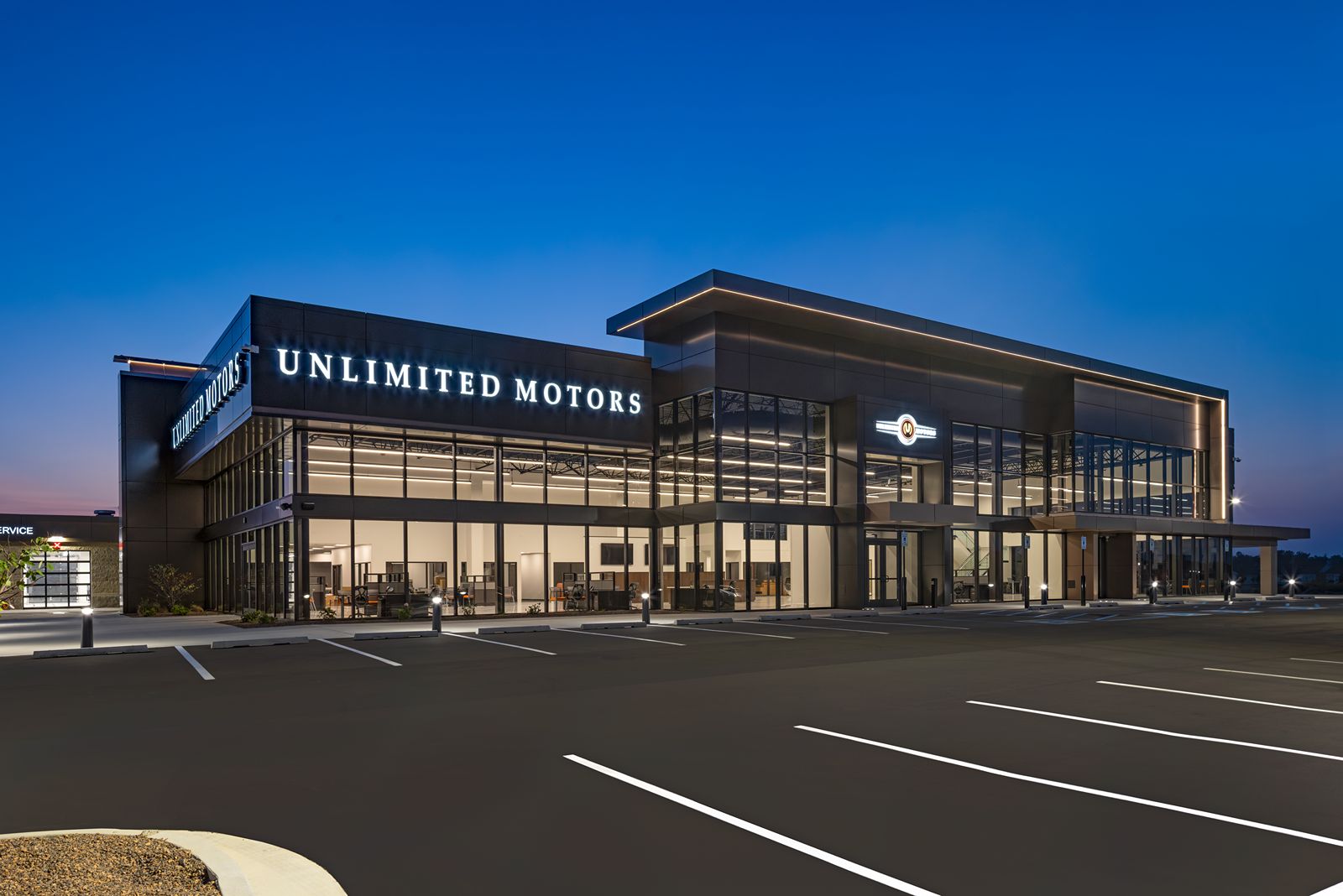
Auto Dealership Roofing in Milwaukee, WI
Showrooms and service bays stay open while the roof is addressed, which matters when a January thaw sends water over the sales floor at a busy Milwaukee dealership.
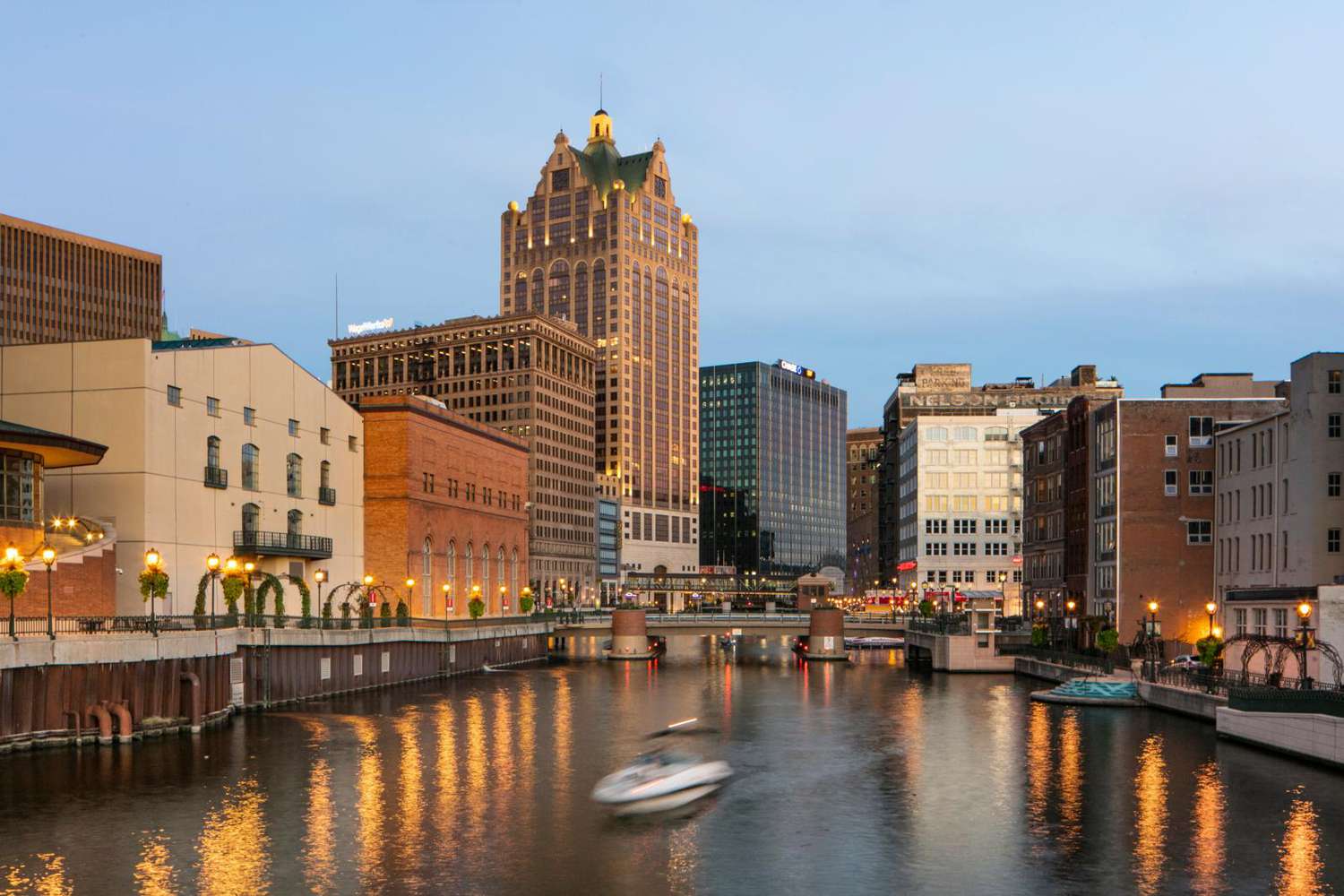
Commercial Roofing in Bay View, WI
Bay View mixes older storefronts along Kinnickinnic with light-industrial buildings near the lake, a stock where decades-old low-slope roofs and salt-laden lake air keep flashings and seams on the watch list.
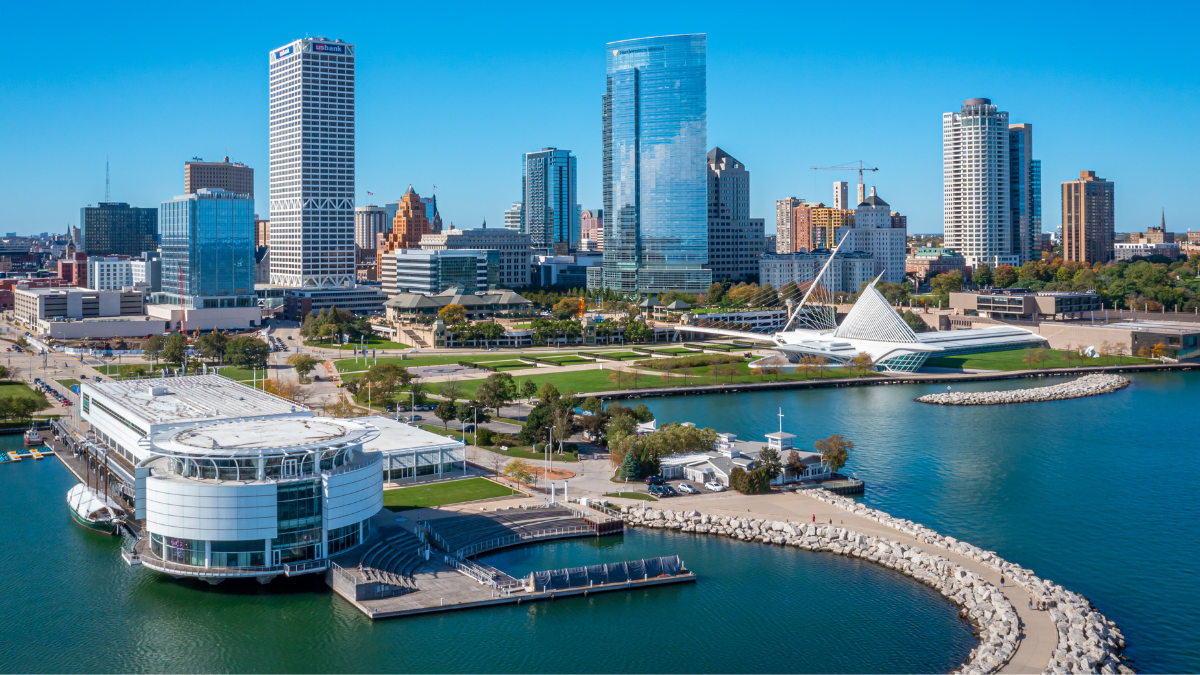
Commercial Roofing in Bayside, WI
Roofing for Bayside's offices and retail sits close enough to Lake Michigan that wind uplift and winter ice loading drive the inspection more than anything else.
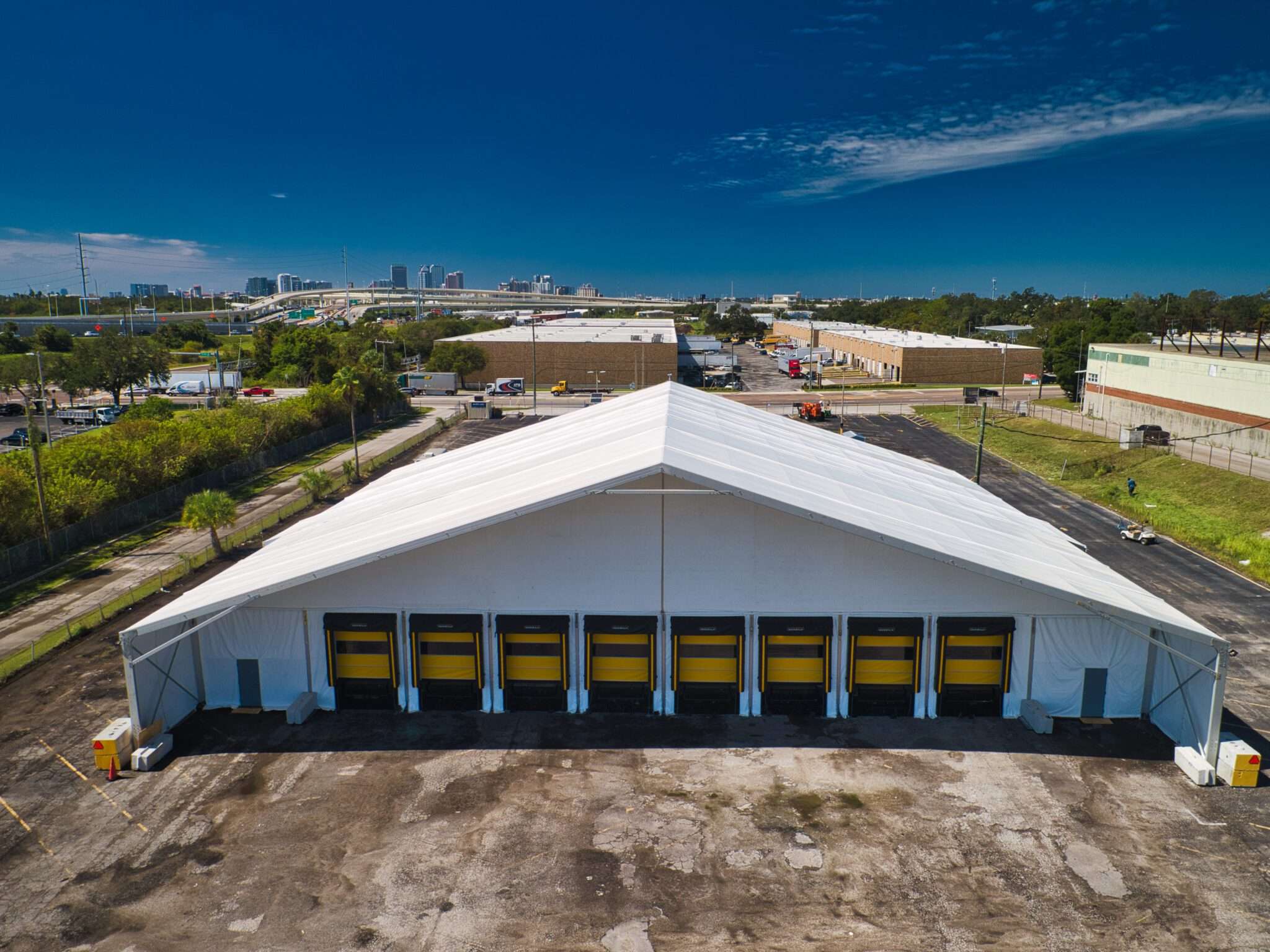
Automotive and Mobility Supply Chain
Parts plants and logistics hubs feeding the regional auto supply chain run roofs over just-in-time operations, where a single Milwaukee leak can stall a line that can't afford downtime.