
DST Roofing Services in Milwaukee, WI
Commercial roofing for Delaware Statutory Trust (DST) properties and 1031 exchange investors throughout Milwaukee, WI.
Commercial roofing for Delaware Statutory Trust properties and 1031 exchange investment portfolios.
Delaware Statutory Trust sponsors acquiring commercial properties in Milwaukee face a cold-climate roofing environment that out-of-state principals consistently misjudge. The combination of extreme snow loading, aggressive freeze-thaw cycling, and a commercial building stock with a large percentage of pre-1990 flat roof systems creates a risk profile that national underwriting models are not calibrated to capture. Sponsors who build Milwaukee DST reserve assumptions from generic industry data rather than local inspection findings are not conservatively underwriting — they are underwriting blind, and the consequences emerge reliably over a hold period of any meaningful length.
Wisconsin's winters impose structural demands on commercial rooftops that sponsors from warmer climates do not intuitively appreciate. A single significant snowfall event in Milwaukee can deposit 20 to 40 pounds per square foot of load on a flat or low-slope roof — and that figure climbs when snow accumulates through a season without adequate removal. Ice dam formation at parapets, drains, and roof edges creates standing water conditions that accelerate membrane failure and can cause structural damage to deck systems. For a DST sponsor holding a Milwaukee industrial or retail property through multiple Wisconsin winters, the question is not whether the roof will be stressed by weather events, but whether the roof system is in adequate condition to survive those stresses without failure.
The 1031 exchange timeline is particularly dangerous in Milwaukee because a pre-close roof inspection in a summer or fall acquisition may not reveal the vulnerabilities that will become critical in January. A membrane system that holds water adequately in September may fail catastrophically when that retained moisture freezes and expands within seam or lap joints over the winter. DST sponsors who commission a roof inspection during acquisition and assume that inspection remains valid through the hold period are working from a static picture of a dynamic physical system. Regular inspection updates — ideally pre-winter and post-winter — are the operating standard for professionally managed Milwaukee commercial properties.
Offering memorandums for DST interests in Milwaukee commercial properties need reserve models that reflect Wisconsin contractor pricing for cold-climate roofing work. Emergency roof repairs in Milwaukee during winter months carry a significant premium over off-season work, both because of the physical difficulty of working in cold conditions and because contractor availability contracts sharply during peak demand periods following storm events. A reserve model built on summer pricing that does not account for emergency winter response is not a realistic reserve model for a Wisconsin commercial asset.
Several DST sponsors active in the Midwest have found Milwaukee's industrial corridor along the Menomonee Valley and the I-94 commercial strip to offer compelling value relative to coastal markets. These assets are real and the fundamentals are sound — but they come with a maintenance obligation that is more intensive than a comparable asset in a mild climate. The passive investor structure of a DST requires the trustee to have both the financial reserves and the contractor relationships to respond to roof emergencies without investor authorization, and in Milwaukee, emergencies can and do occur in the middle of February.
The hold period on a Milwaukee DST commercial asset is a period during which the roof system will face genuine physical tests. Sponsors should plan for snow removal events — a legitimate operating expense for flat-roof commercial properties in Wisconsin — and should ensure that the roof system is designed and maintained to drain adequately before the onset of winter. Clogged roof drains that retain water going into a freeze cycle are among the most common and most preventable causes of emergency roof failure in Milwaukee commercial properties.
Freeze-thaw cycling is a slower but equally destructive force on Milwaukee commercial roofs. Each freeze-thaw cycle opens and closes existing membrane gaps, stresses flashings and counterflashings, and works at penetration seals around HVAC units, plumbing vents, and skylights. A commercial roof in Milwaukee that was in acceptable condition five years ago may have experienced 200 or more freeze-thaw cycles since that last inspection, and the cumulative effect of those cycles on an already-aging membrane system can be substantial. DST asset managers who inspect Milwaukee roofs on a five-year cycle are not doing adequate asset protection.
Pre-acquisition roof condition reports for Milwaukee DST properties should specifically address snow load capacity, drain condition and adequacy, parapet and flashing condition, and membrane seam integrity at cold-climate stress points. These are the failure modes that matter in this market, and a condition report that does not address them specifically does not give a DST sponsor the information needed to build an accurate reserve model. We provide condition reports formatted to satisfy the documentation requirements of major DST broker-dealer platforms and to support offering memorandum reserve disclosures.
DST sponsors who enter the Milwaukee market with a proactive roof management plan — including annual pre-winter inspections, documented snow removal protocols, and a reserve model built on current Wisconsin contractor pricing — are positioned to deliver the consistent distributions that DST investors expect. Those who treat Milwaukee the same as a Phoenix or Atlanta asset will encounter the Wisconsin winter eventually, and that encounter is rarely cheap.
- Hospitality Groups
- Religious Organizations
- Data Center Roofing
- Property Management Firms
- Insurance Restoration
- Built Up Roofing
- Skylight Penetration Flashing
- Healthcare Facility Roofing
Share the roof address, current issue, photos if available, and any access limits. The response can be framed around inspection, repair, maintenance, coating review, or replacement planning.
Related roof pages
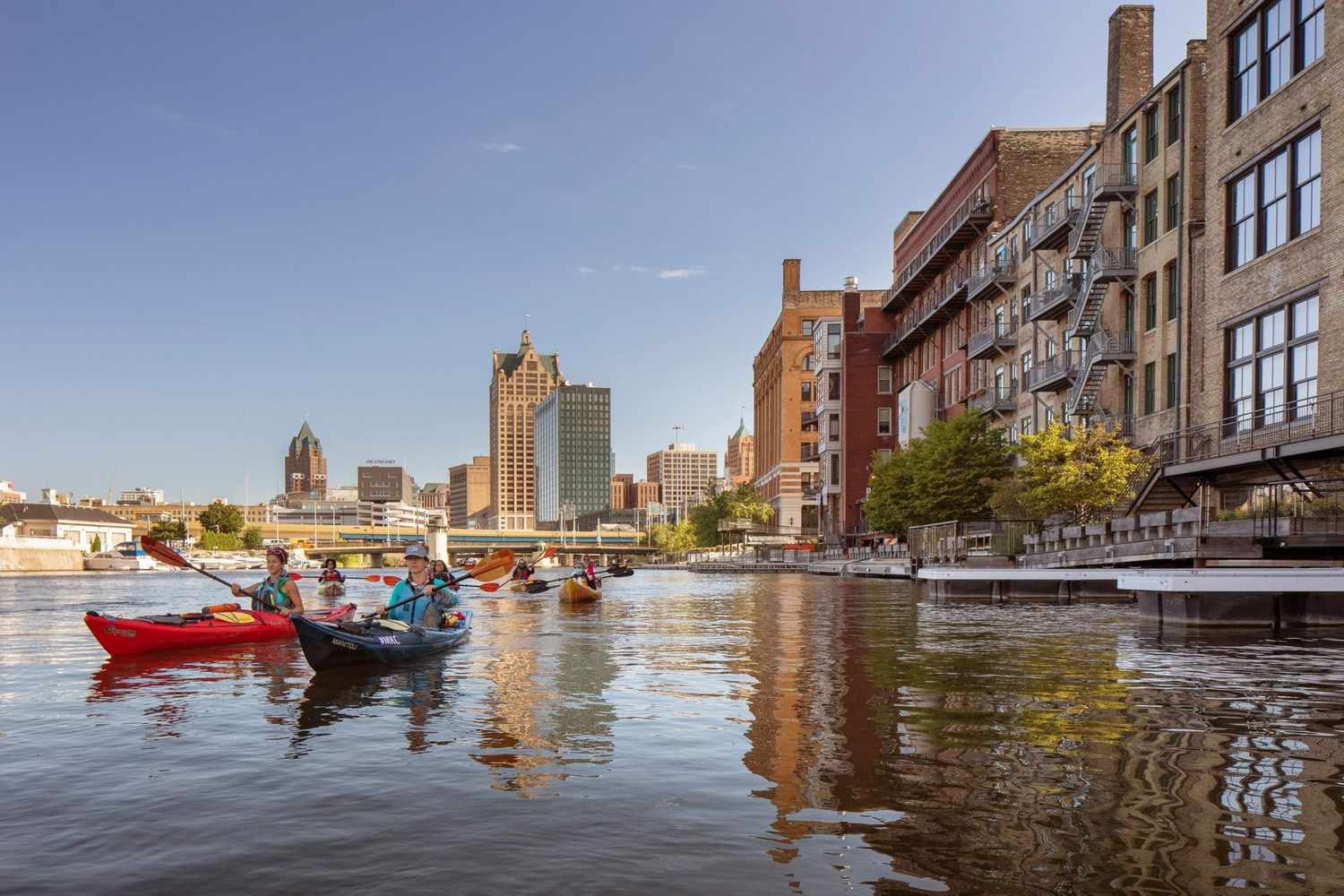
Commercial Roofing in Bay View, WI
Bay View mixes older storefronts along Kinnickinnic with light-industrial buildings near the lake, a stock where decades-old low-slope roofs and salt-laden lake air keep flashings and seams on the watch list.
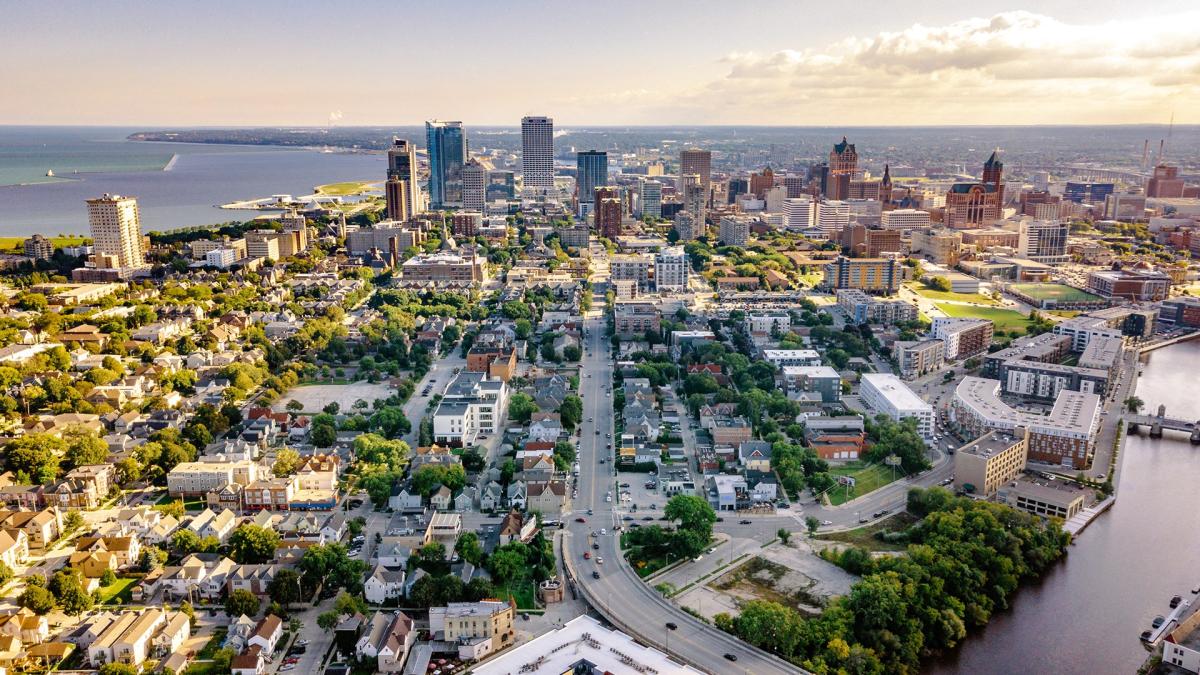
Commercial Roofing in Bayside, WI
Roofing for Bayside's offices and retail sits close enough to Lake Michigan that wind uplift and winter ice loading drive the inspection more than anything else.
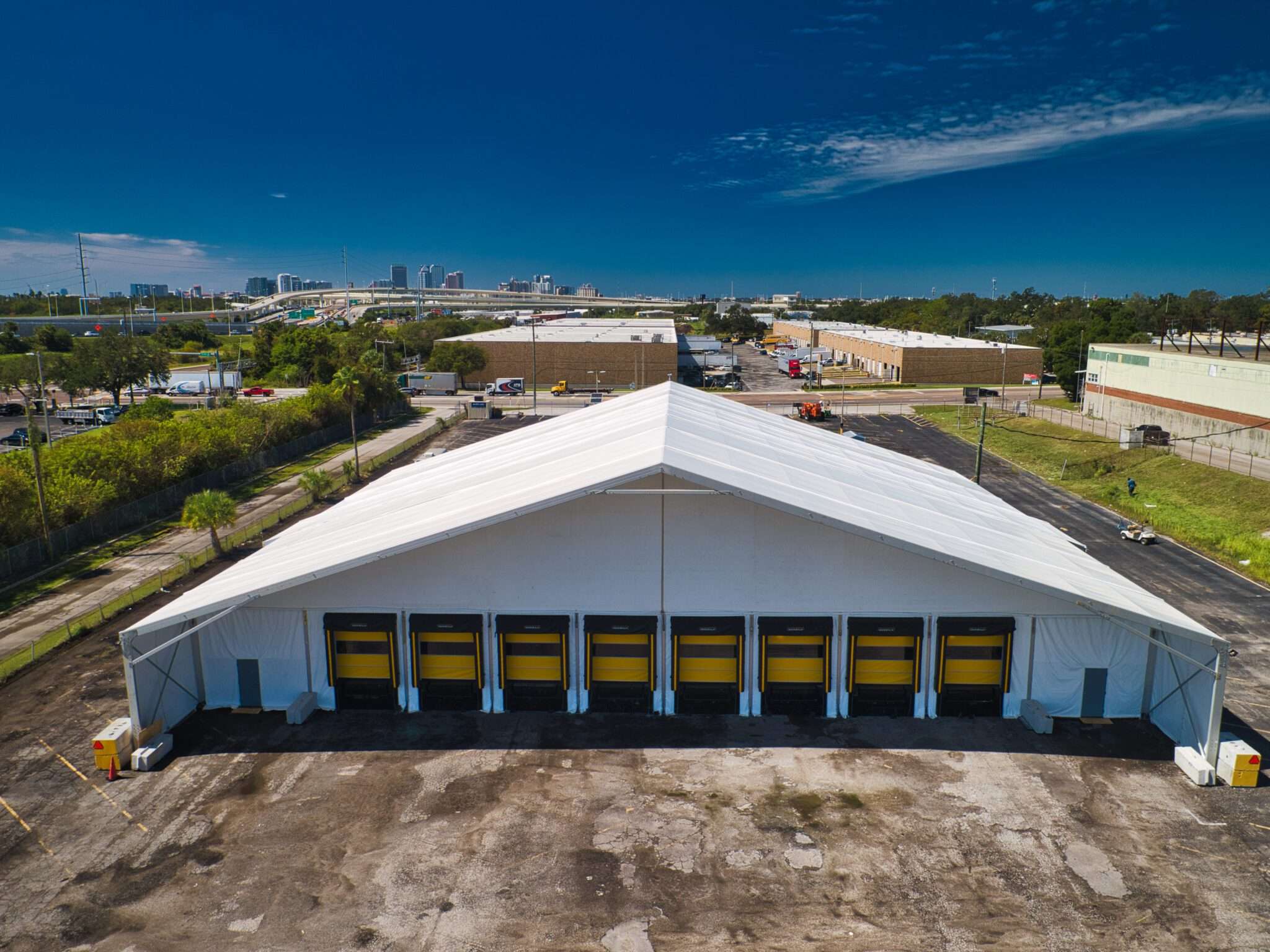
Automotive and Mobility Supply Chain
Parts plants and logistics hubs feeding the regional auto supply chain run roofs over just-in-time operations, where a single Milwaukee leak can stall a line that can't afford downtime.
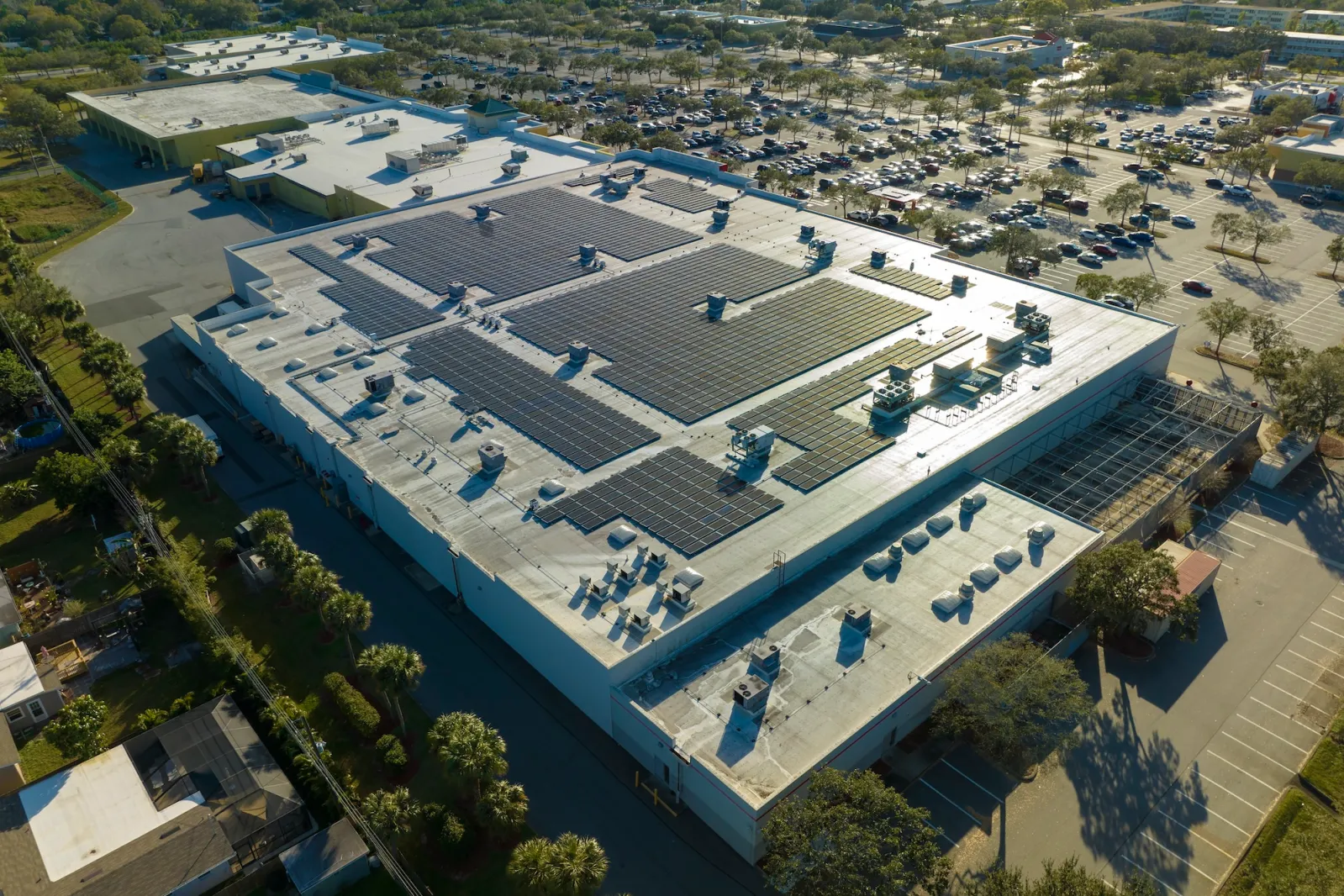
Commercial Real Estate and REITs
Owners and REITs holding Milwaukee commercial property need roofs managed as assets, with condition data and capital timelines that survive due diligence and a sale.